



The Rise of the Weekend Trekker
On any given Saturday morning, the highways leading out of megacities like Mumbai, Bengaluru, and Delhi are buzzing with a new kind of traffic. It’s not just families heading to the mall; it’s carpools of twenty-somethings and groups on motorcycles, armed
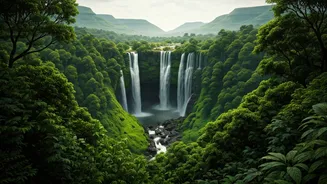
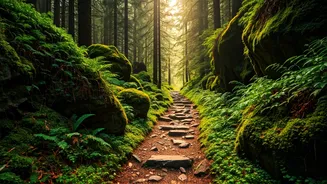
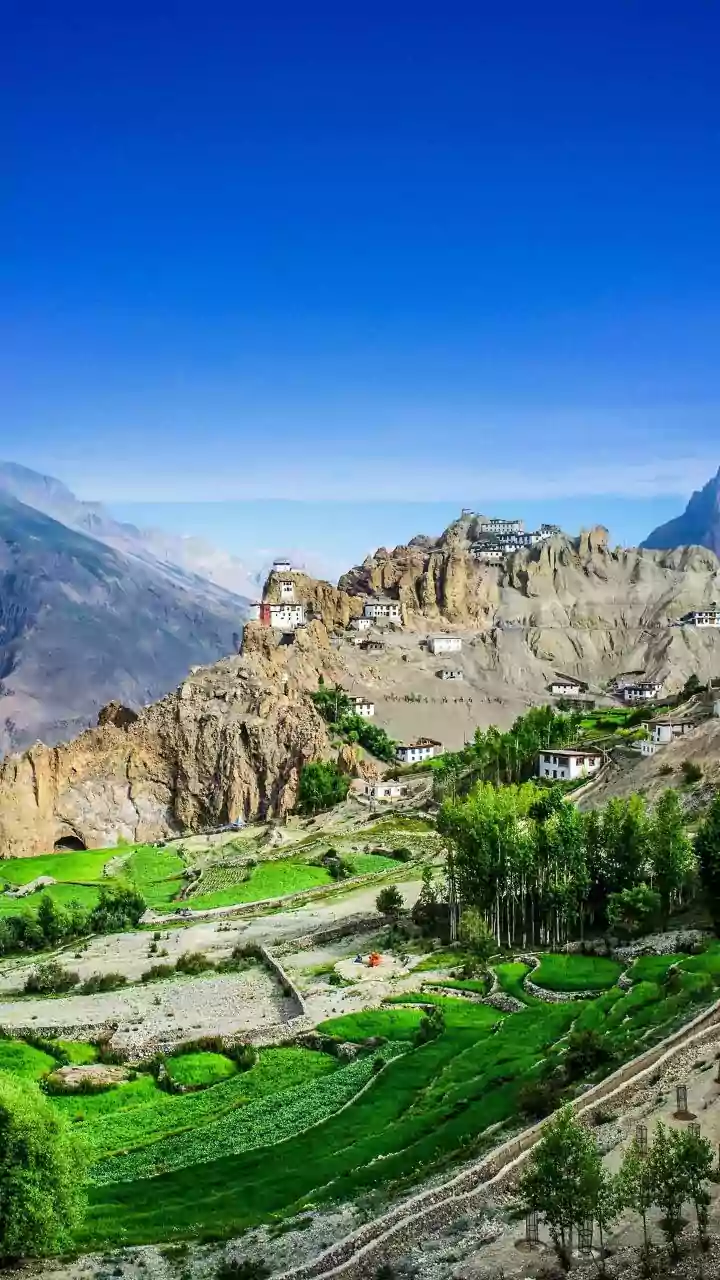
with backpacks, water bottles, and GPS coordinates for a trail they found on Instagram. This is the new face of weekend leisure for India’s millennials and Gen Z. Instead of navigating crowded city centers, they are actively seeking out the surprisingly rugged hills, serene lakes, and dense forests that lie just beyond the urban sprawl. Treks to ancient forts nestled in the Western Ghats near Pune, birdwatching trips in the wetlands outside Delhi, or day hikes in the Nandi Hills near Bengaluru have become a social currency, replacing the late-night club scene for a significant and growing cohort.
More Than a Pandemic Pivot
It’s easy to dismiss this trend as a simple holdover from the COVID-19 pandemic, when international travel was impossible. While lockdowns certainly forced people to discover their own backyards, the roots of this movement run deeper. For many young professionals in India's high-pressure tech and corporate sectors, life is a relentless cycle of long work hours, punishing commutes, and intense competition. The promise of a quick, restorative dose of nature offers an antidote to digital fatigue and chronic burnout. It’s a way to disconnect from screens and reconnect with something tangible, all within the constraints of a two-day weekend. This isn’t just about seeing nature; it’s about using it as a necessary mental reset button.
The New Economics of Adventure
Aspiration in India has long been tied to global benchmarks—a foreign degree, an international job, or a vacation to Europe. But that dream comes with a hefty price tag. For a young person earning an entry-level salary, a trip to Paris or even a domestic flight to the Himalayas can require months, if not years, of saving. The local nature boom is powered by a different, more practical economic logic. A train ticket, a shared cab, and some packed lunches make a weekend trek profoundly affordable. It democratizes the idea of a getaway, transforming it from a once-a-year luxury into a regular, accessible activity. This shift reflects a pragmatic re-evaluation of what it means to live well, prioritizing frequent, low-cost experiences over infrequent, high-cost splurges.
Curated by Instagram, Explored in Real Life
Social media is the engine of this local-first movement. Platforms like Instagram have turned previously obscure hiking trails and hidden waterfalls into geotagged destinations. A stunning photo of a monsoon-green valley or a dramatic cliffside sunrise can inspire hundreds of others to follow. This creates a powerful feedback loop: a spot gains viral fame, trekking clubs and tour groups emerge to service the demand, and a new micro-tourism economy is born. For the American observer, this pattern is familiar—it’s the same dynamic that turned places like Arizona’s Horseshoe Bend from a local secret into a global photo-op. In India, it’s channeling the immense energy of its young population toward appreciating and, just as importantly, documenting the beauty in their immediate vicinity.