
From Showroom to Sanctuary
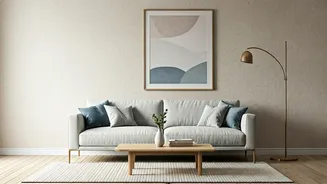
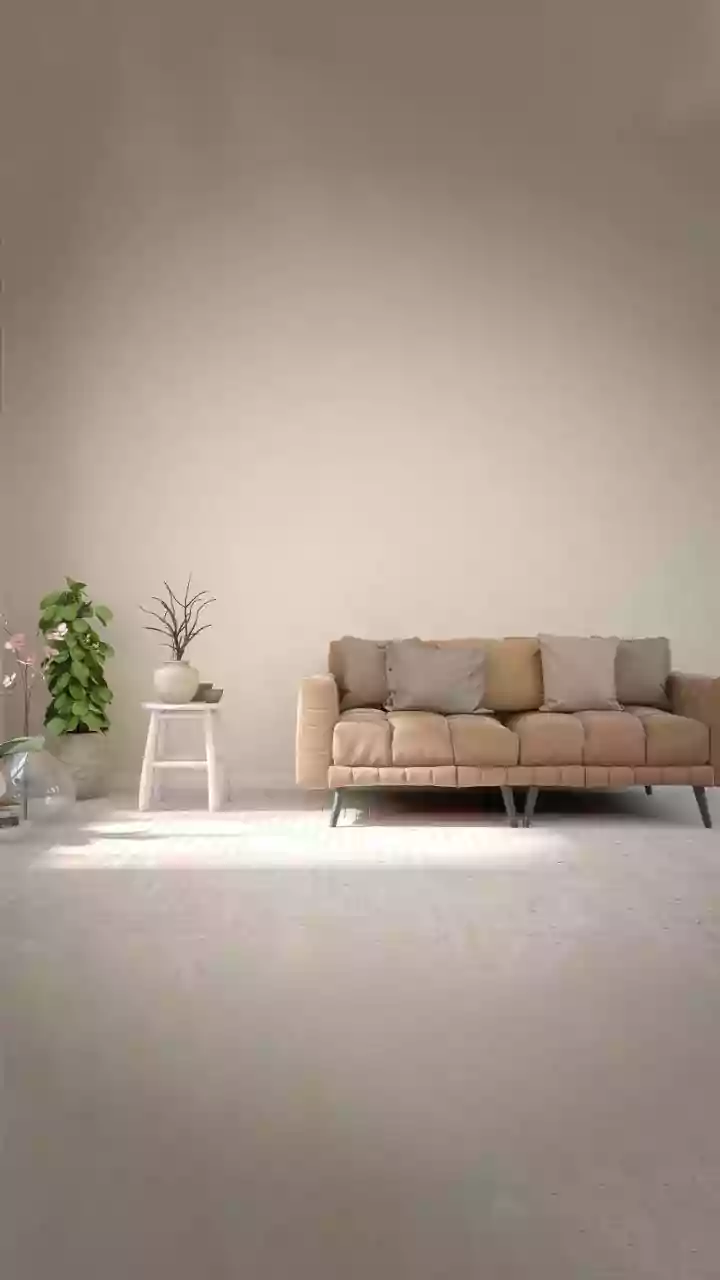
Remember the 2010s? It was the decade of the Instagram-perfect interior. Stark white walls, gray everything, and furniture with lines so clean you’d hesitate to put your feet up. This was the era of aesthetic minimalism, a look that prized visual purity
above all else. It was beautiful in a photograph but often felt sterile and impersonal to actually live in. The home became another space to curate for an imagined audience, a backdrop for a life rather than the stage for its messy, wonderful reality. Then, the world changed. The pandemic turned our homes into offices, schools, gyms, and our primary social spaces. Suddenly, the pristine, untouchable showroom felt less like a goal and more like a prison. We weren't just living in our homes; we were *living* in them, 24/7. This intense, prolonged intimacy with our own four walls sparked a quiet revolution. We collectively realized that a home's primary job isn't to look good on a screen, but to feel good in real life. We craved comfort, security, and a sense of personal sanctuary, pushing back against the pressure to maintain an impossibly perfect aesthetic.
The 'Function' Part: Smarter, Softer, and More Flexible
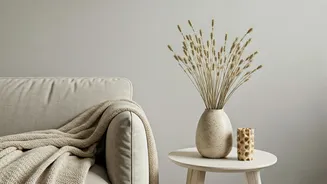
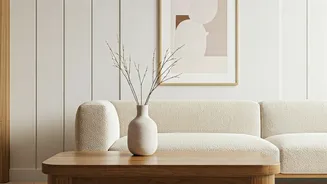
Let’s be clear: this new movement doesn't abandon practicality. If anything, it doubles down on it. But 'function' is being redefined. It’s no longer just about clean lines and efficient storage. It’s about creating spaces that support the full spectrum of modern life. This means furniture that invites you to lounge, not just look. Think deep, cushy sofas with rounded edges, upholstered in durable, touchable fabrics like bouclé or performance velvet. These 'conversation pits' and modular sectionals are designed for gathering, napping, and movie marathons. Function also means flexibility. With homes serving multiple purposes, we’re seeing a rise in smart, adaptable designs. A dining table might need to double as a desk for two, and a living room might need a quiet corner for reading. This has led to a renewed appreciation for well-made, multipurpose furniture and clever zoning—using rugs, lighting, or room dividers to create distinct 'areas' within an open-plan space. The goal isn't just to hide clutter, but to create an environment that effortlessly flows with the rhythm of our day.
The 'Feeling' Part: Your Story on Display
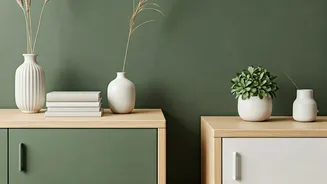
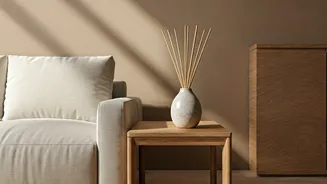
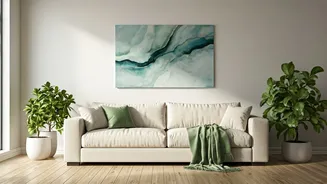
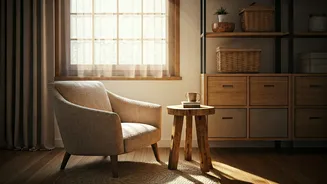
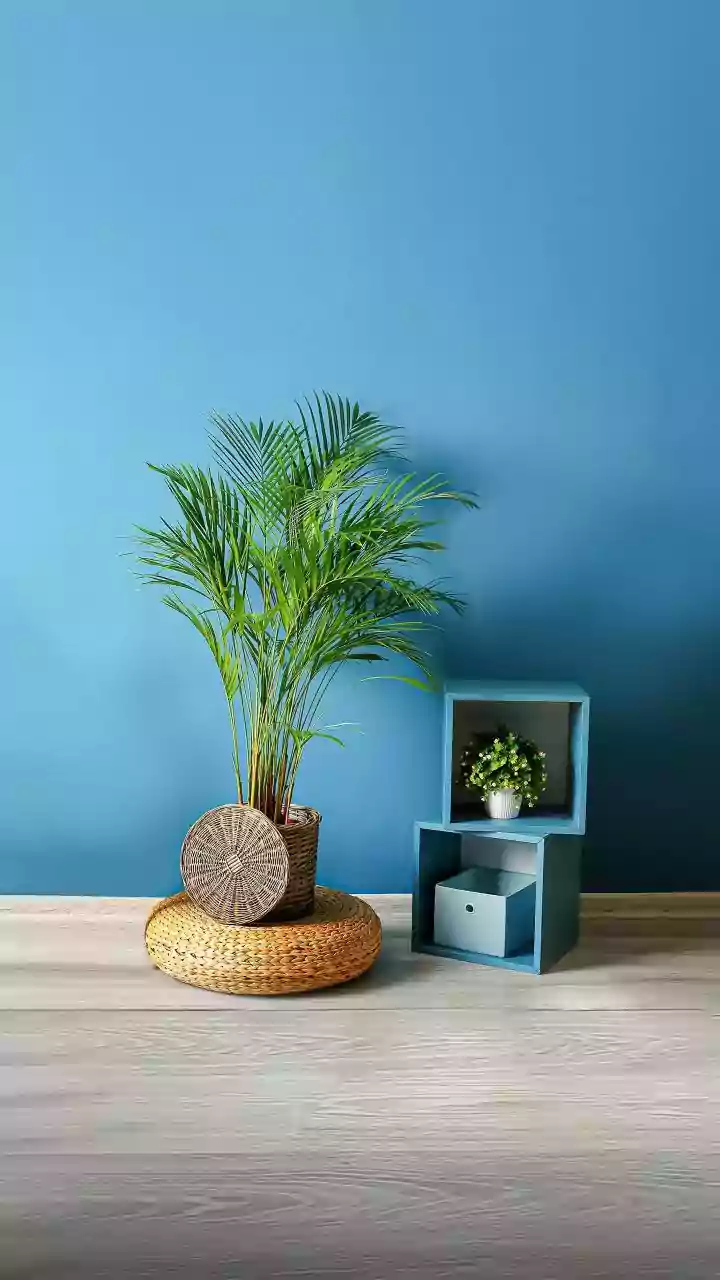
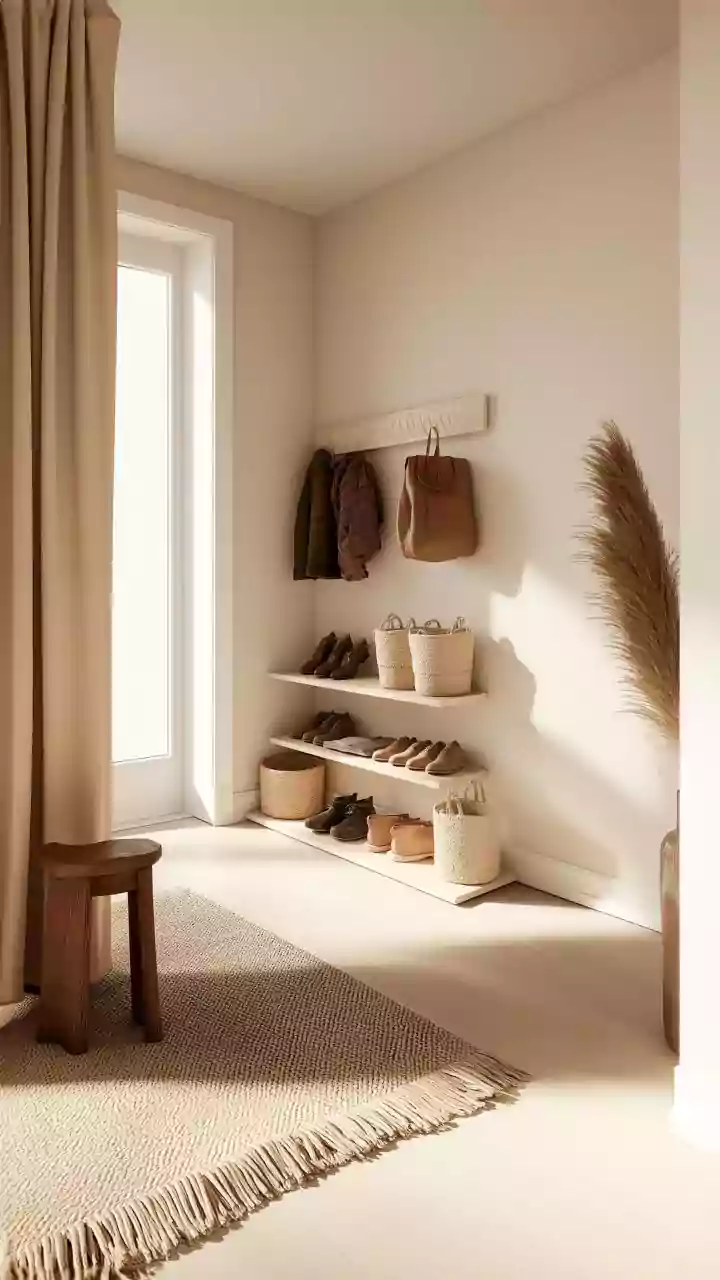
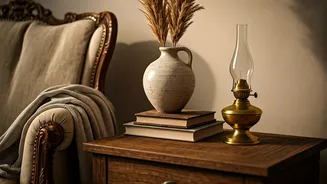
This is the real heart of the shift. The 'feeling' in 'function with feeling' is about infusing our spaces with personality, warmth, and emotion. It’s the direct opposite of the one-size-fits-all minimalist catalog. Instead of erasing personal history, this philosophy celebrates it. That weird vase you bought on vacation? The slightly worn armchair inherited from your grandmother? The kids' art taped to the wall? These are no longer things to be hidden away but cherished layers that tell your unique story. This emotional connection is also fostered through a focus on sensory experience. We’re embracing texture in a big way: nubby wool rugs, rich wood grains, cool marble, and soft linen curtains. Biophilic design—the practice of connecting with nature indoors—is no longer a niche concept. Plants are everywhere, not just as accessories, but as living, breathing members of the household. We're choosing earthy, grounded color palettes inspired by landscapes—terracottas, mossy greens, and warm oatmeals—that feel inherently calming. It’s about creating a space that doesn’t just look good, but also feels, smells, and sounds like home.
The End of an Aesthetic Dogma
As we embrace this warmer, more personal approach, we’re implicitly saying goodbye to some of the rigid design rules of the past. The all-white kitchen, once the undisputed king of home renovation, is giving way to spaces with warm wood cabinetry, colorful tile, and mixed metals. The reign of 'sad beige' and cool gray is being challenged by a richer, more optimistic spectrum of colors. And the addiction to 'fast furniture'—cheap, trendy items designed to be replaced in a year or two—is being replaced by a more sustainable mindset. People are investing in timeless, quality pieces and scouring vintage and secondhand shops for items with character and soul. This isn’t just a stylistic choice; it’s an ethical one, reflecting a desire for longevity and authenticity in a world of fleeting trends.