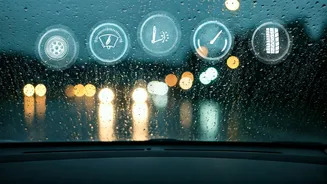








1. Your Tires: The First Line of Defense
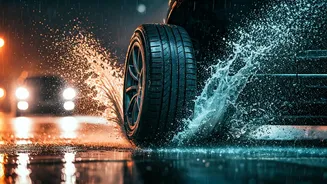
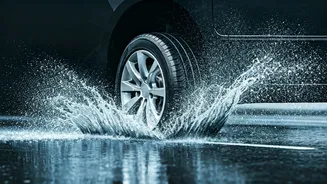
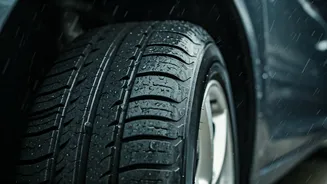
Your tires are the only part of your car that actually touches the road, and their condition is paramount in wet weather. The primary danger on slick surfaces is hydroplaning, where a layer of water builds between the tire and the road, causing a total
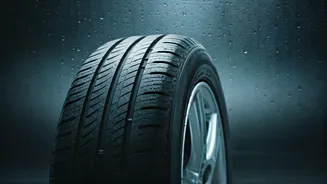
loss of steering and braking control. The key to preventing this is adequate tread depth. Your tire treads are designed to channel water away. When they're worn down, they can't do their job. Get a penny and place it upside down in a tread groove. If you can see the top of Abraham Lincoln's head, your tires are likely worn below the recommended 4/32 of an inch and it's time to consider a new set. While 2/32" is the legal minimum in most states, that's not enough for safely navigating wet roads. Also, check your tire pressure. Underinflated tires can't grip properly and can worsen hydroplaning. The correct pressure is listed on a sticker inside your driver's side doorjamb, not on the tire itself.
2. Wiper Blades: For a Crystal-Clear View
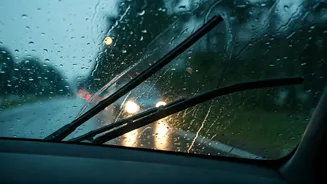
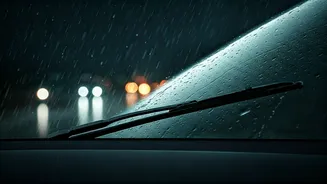
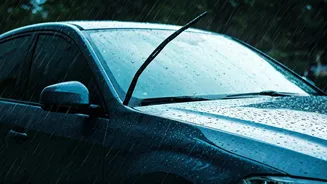
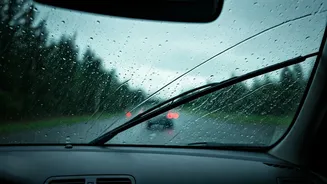
If you can’t see the road, you can’t drive safely on it. It’s that simple. Wiper blades are made of soft rubber that degrades over time due to sun exposure and use. Worn-out wipers don't clear water effectively; they smear it. Telltale signs of bad wipers include streaking, skipping, or a chattering sound as they move across the windshield. You might also see visible cracks or tears in the rubber. Most experts recommend replacing your wiper blades every six to twelve months. It’s an inexpensive and easy fix you can often do yourself in the parking lot of an auto parts store—many will even install them for you. Don't wait for the first torrential downpour to discover your wipers are useless.
3. Lights: To See and Be Seen
Rainy weather means lower visibility for everyone. Functioning lights are critical not just for you to see the road, but for other drivers to see you. Take a minute to do a quick walk-around of your car. Have a friend or family member help you check your headlights (both low and high beams), taillights, brake lights, and turn signals. A single burnt-out bulb can dramatically reduce your visibility to another driver, especially in heavy rain or fog. Many states have laws requiring headlights to be on when wipers are in use, so ensuring they work is a matter of both safety and compliance.
4. Brakes: Your Ultimate Safety Net
It takes longer to stop on a wet road. Your braking system needs to be in top condition to handle the reduced traction. Do you hear a high-pitched squeal when you apply the brakes? That’s often the built-in wear indicator telling you it’s time for new pads. A grinding sound means you’ve likely worn past the pads and are now damaging the rotors—a much more expensive repair. Also, pay attention to the feel of the pedal. If it feels spongy, soft, or goes lower to the floor than usual, you could have a problem with your brake fluid or master cylinder. Don't ignore these warning signs; get your brakes inspected by a professional.
5. Windshield and Washer Fluid: Banish Road Grime
A clean windshield is a safe windshield. Road spray from other cars kicks up a film of dirt, oil, and grime that can smear across your glass, creating a blurry mess that’s nearly impossible to see through. Your first line of defense is a full reservoir of windshield washer fluid. A quality, all-season fluid will help cut through that oily film. While you're at it, clean the *inside* of your windshield. Dust and oils from your car's interior create a haze that becomes glaringly obvious in certain light and can exacerbate fogging issues.
6. Defroster and HVAC System: Fight the Fog
As rain cools the air outside, the warmth and moisture inside your car (from your own breath) can cause the windows to fog up instantly, completely obscuring your view. Your defroster is the solution, and it works best when paired with your air conditioning system. The A/C acts as a dehumidifier, pulling moisture from the air much faster than heat alone. Turn on your front defroster and your A/C, and direct the vents toward the windshield. Test this system before you need it. If it’s not blowing air or not clearing the glass quickly, you may need to have your car's HVAC system serviced.
7. Your Emergency Kit: The 'Just-in-Case' Plan
Even with a well-maintained car, things can go wrong. A basic emergency kit is always a good idea, but it's worth reviewing before the wet season. For rainy and potentially colder weather, consider adding a few items. A waterproof blanket or poncho can be a lifesaver if you have to get out of your car in a downpour. A towel is useful for countless situations. Ensure your flashlight has fresh batteries, and consider a portable phone charger or power bank. These small additions can turn a miserable roadside wait into a merely inconvenient one.