





Build a Thirsty Foundation
The first drops of a monsoon storm often hit baked, compacted soil and run right off into the street, taking precious topsoil with them. Your primary discipline in June is to reverse this. Your goal is to turn your garden into a sponge. Start by amending
your soil with a generous two-to-three-inch layer of quality compost. Work it into the top six inches of your garden beds. This organic matter does two critical things: it breaks up dense clay, allowing water to penetrate, and it helps sandy soil retain moisture. For extra credit, apply a thick layer of mulch (wood chips, straw, or pine needles) around your existing plants. Mulch acts like a shield, reducing soil temperatures, minimizing evaporation from the blistering June sun, and preventing the soil from forming a hard, water-repellent crust before the rains even start.
Prune for Wind, Not for Shape
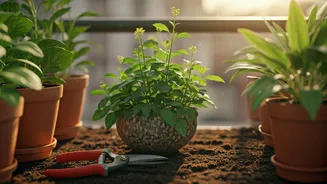
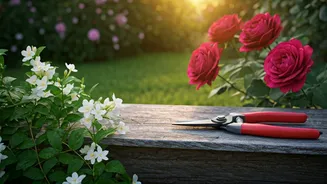
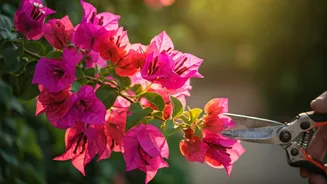
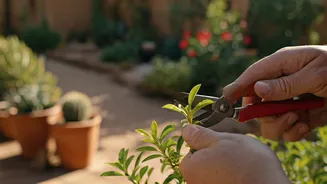
Monsoon storms are famous for their dramatic microbursts—sudden, violent downdrafts that can snap tree limbs and uproot vulnerable shrubs. The pruning you do in June is not for aesthetics; it’s for survival. Instead of a hard shearing, focus on strategic thinning. Look for branches that are crossing or rubbing against each other, as these create weak points. Thin the canopy of dense trees like mesquites and palo verdes, allowing wind to pass through rather than pushing against a solid wall of foliage. This “monsoon haircut” significantly reduces the sail effect, protecting your valuable shade-providers from damage. Avoid removing more than 25% of the canopy. This is a delicate balance, ensuring the plant has enough leaves for photosynthesis while making it resilient enough to withstand the coming gales.
Embrace Strategic Procrastination
While it may feel counterintuitive, June is not the time to fill your garden with new, tender transplants. The combination of intense heat and low humidity is simply too stressful for young plants to establish roots. Instead, the disciplined gardener waits. June is for planning and preparing planting areas. Clear out spots for heat-loving vegetables you’ll plant in July, like black-eyed peas, Armenian cucumbers, and melons. This is, however, the perfect time to sow seeds of native, drought-tolerant wildflowers directly into the ground. They will lie dormant in the dry soil, waiting for the first significant rain to trigger germination, bursting into a riot of color that seems to appear overnight once the monsoon begins in earnest.
Engineer the Harvest
In a region where water is gold, letting a single drop of monsoon rain go to waste is a cardinal sin. Your June discipline includes becoming a water-harvesting engineer. Start simple: dig shallow, basin-like depressions (or “berms”) around your trees and shrubs. This small earthwork captures runoff and forces it to sink deep into the root zone. On a larger scale, ensure your gutters are clean and your downspouts are directed toward your landscape, not the driveway. If you have a rainwater harvesting tank, check that it's clean, secure, and ready for an deluge. The goal is to slow, spread, and sink every gallon of water that falls on your property. This passive irrigation will sustain your garden long after the storm has passed.
Wage a Preemptive War on Weeds
Weeds are opportunists. They are waiting, just like your wildflowers, for the moisture and heat of the monsoon to explode. A weed that is a minor nuisance in June can become an impenetrable thicket by August. The most important weeding of the year happens now, in the dry heat. Get out there and pull, hoe, and remove every unwanted seedling you can find. It’s far easier to remove them from dry, crumbly soil than from post-rain mud. By clearing them out before the monsoon arrives, you eliminate the competition for water, nutrients, and sunlight. Your desired plants will have a crucial head start, allowing them to establish dominance before the weeds can mount a serious challenge.