





The Rise of the 'Cooling-Off-Cation'
The classic American summer vacation has long been synonymous with sun and sand. For generations, families flocked to coastlines and lakeshores to soak up the rays. But as heat domes and triple-digit temperatures become the norm across much of the country,
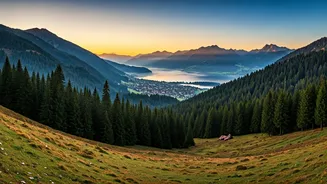
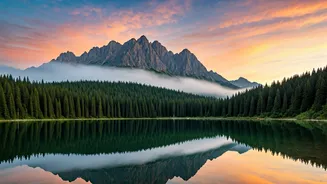
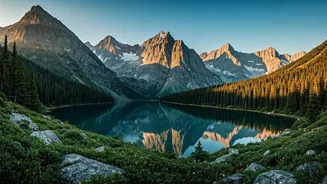
a fundamental shift is underway. Enter the 'cooling-off-cation': a trip planned not around finding sun, but escaping it. Travel data shows a significant spike in searches and bookings for destinations where the main attraction is a lower number on the thermometer. People aren’t just looking for a change of scenery; they're actively seeking climate refuge. This trend favors destinations at higher elevations, where daytime temperatures are milder and nights are refreshingly cool, offering a genuine physical and psychological break from oppressive heat.
Beyond the Ski Season
For decades, many of America’s most famous mountain towns operated on a boom-and-bust seasonal cycle, with populations swelling for ski season and quieting down in the summer. That is rapidly changing. Towns from the Rockies to the Appalachians are experiencing a summer renaissance, fueled by travelers desperate for relief. This new demand is transforming local economies, extending the tourist season and creating a year-round bustle. Restaurants, shops, and tour operators that once relied on winter crowds are now finding a robust and eager summer clientele. The result is a new identity for these 'hill escapes'—they are no longer just winter wonderlands but four-season sanctuaries from an increasingly uncomfortable climate.
New England’s Mountain Revival
The green hills of Vermont and the Berkshires of Massachusetts have always been beloved summer spots, but their appeal has reached a new level. In towns like Stowe, Vermont, or Lenox, Massachusetts, the summer selling point is simple: it’s pleasant outside. While cities like Boston and New York swelter, these areas offer daytime highs in the 70s and 80s, perfect for hiking, exploring farmers' markets, or simply reading a book on a porch without breaking a sweat. The region's classic charm, combined with its crisp mountain air, makes it a top choice for urbanites from the Northeast looking for a quick and effective escape from the concrete jungle's oppressive heat island effect.
Rocky Mountain High Relief
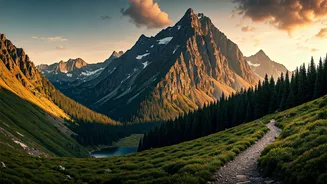
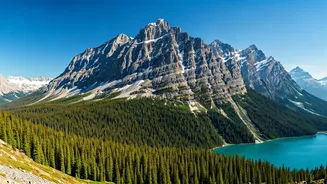
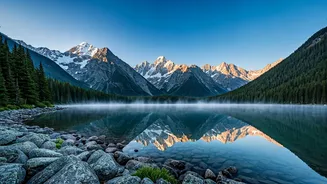
The high-altitude towns of the American West offer perhaps the most dramatic temperature differential. While places like Phoenix and Dallas bake, destinations like Aspen, Colorado, or Park City, Utah, are thriving summer hubs. At 8,000 feet, the air is not only cooler but also drier, making even warmer days feel comfortable. These former mining towns, now polished resort destinations, offer world-class hiking, mountain biking, and fly-fishing. More importantly, they guarantee cool evenings where a light jacket is often required—an unimaginable luxury for someone fleeing a city where nighttime temperatures barely dip below 85 degrees. The promise of sleeping with the windows open has become a powerful travel motivator.
The Appalachian Answer
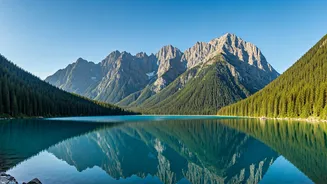
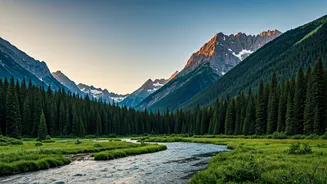
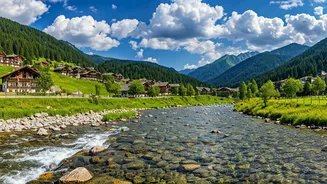
You don't need to go to a high-end Western resort to find relief. The Appalachian Mountains offer a lush, green, and often more accessible alternative. Towns like Boone and Asheville in North Carolina are booming as regional heat-escape hubs for people across the Southeast. Nestled in the Blue Ridge Mountains, these areas provide a dense canopy of trees, countless waterfalls, and swimming holes fed by cold mountain streams. The appeal is rustic and deeply connected to nature. It’s a place to trade stifling humidity for the smell of damp earth and pine, proving that a refreshing summer break is often just a few hours' drive and a few thousand feet of elevation away.