


The End of the Gray-naissance
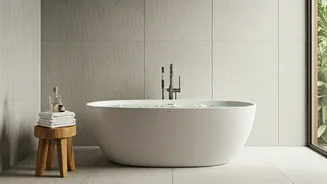
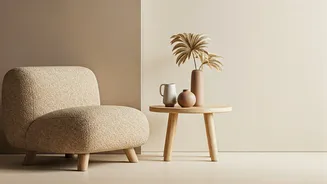
Remember the 2010s? It was the age of the open-concept floor plan, the shiplap accent wall, and a color palette that ranged from light gray to dark gray. This aesthetic, often called "millennial minimalism," was clean, inoffensive, and perfectly suited
for a quick sale on Zillow. It was born from Pinterest boards and nurtured by Instagram influencers, creating a homogenized look that valued a serene, marketable "vibe" over individual personality. The goal wasn't to reflect the people living inside, but to create a neutral backdrop that looked good on camera. But after years of living in these tastefully bland spaces, a collective boredom—and a desire for something more—began to set in.
Welcome to the Fun House
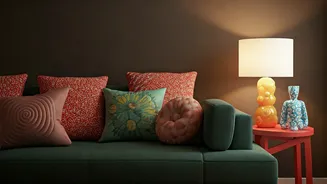
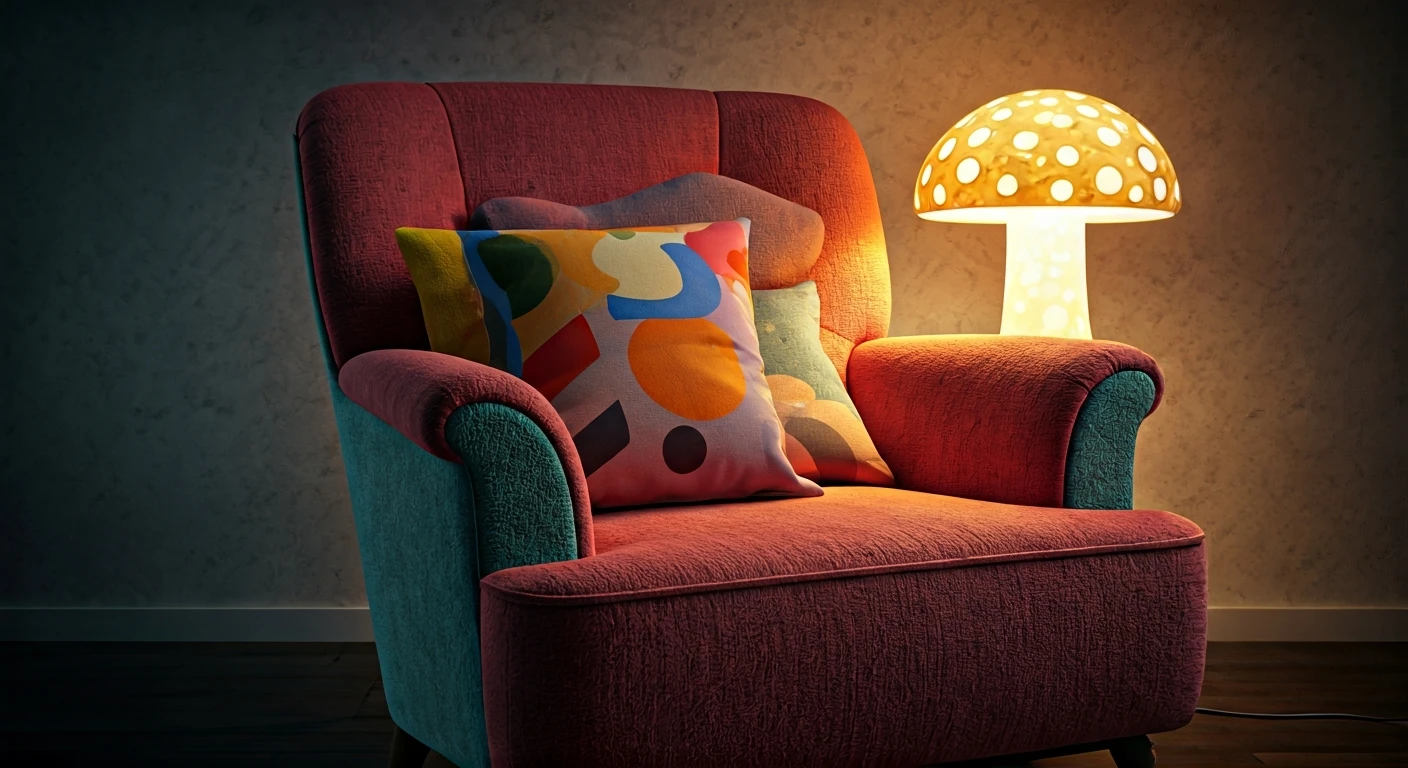
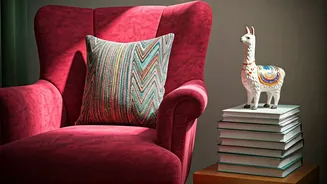
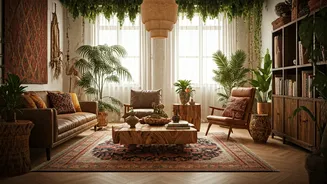
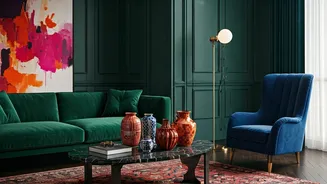
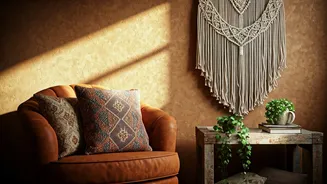
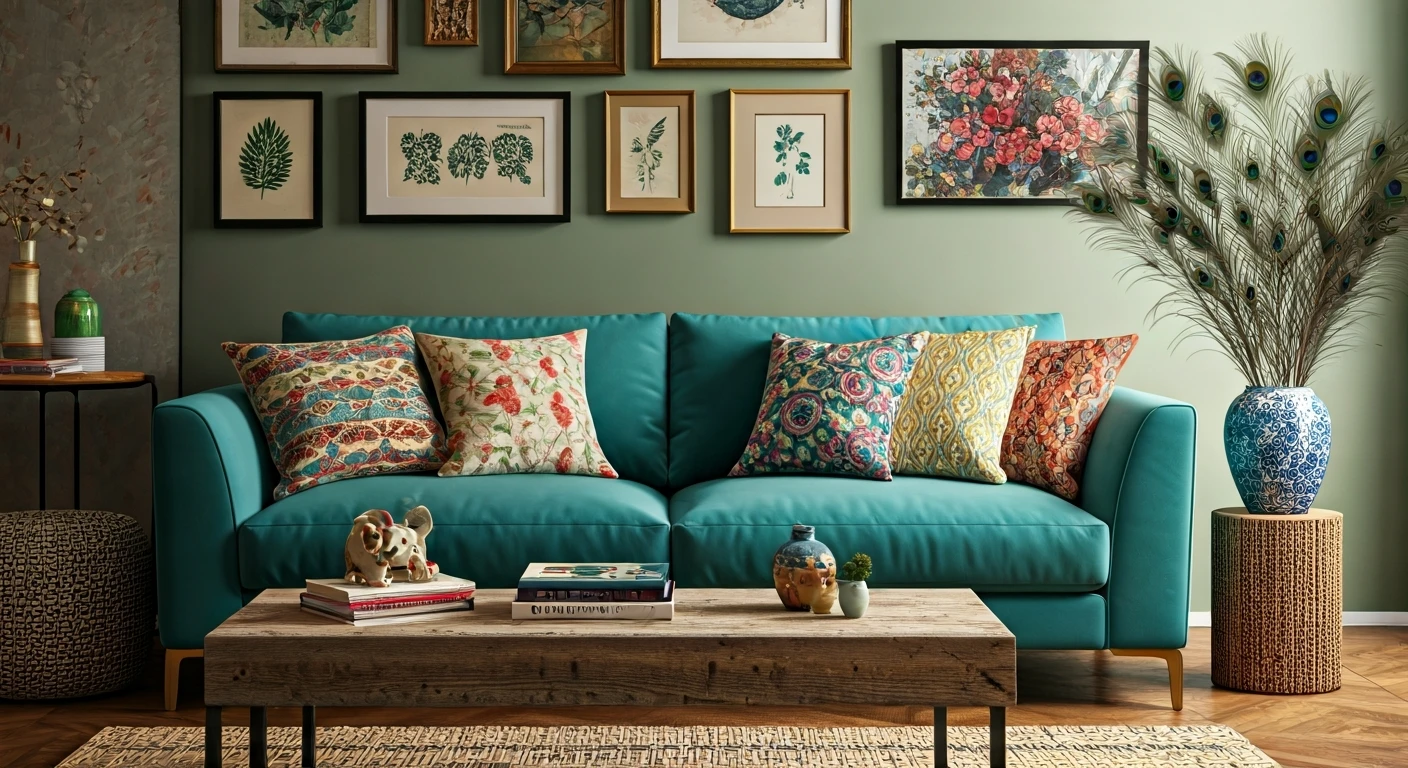
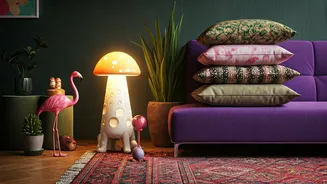
The rebellion against beige is colorful, strange, and unapologetically bold. Walk into a home embracing this new ethos and you won't find matching furniture sets. Instead, you'll find a curved, velvet green sofa next to a thrifted 1970s floor lamp. You’ll see walls painted in rich jewel tones, clashing patterns on pillows and rugs, and shelves overflowing with quirky ceramics, oddly-shaped candles, and personal mementos. Design experts have given it names like "maximalism" or "dopamine decor," but it's less a single style and more a guiding principle: if it makes you happy, it belongs. It’s about texture, surprise, and a healthy dose of humor—think mushroom-shaped stools, wavy mirrors, and art that’s more sentimental than investment-grade.
Why We Crave Authenticity Now
This shift isn't just about aesthetics; it's a direct response to major cultural and social changes. The COVID-19 pandemic was a huge catalyst. Forced to spend unprecedented amounts of time at home, people began to see their living spaces not as showrooms for guests, but as sanctuaries that needed to function for *them*. The four walls that once felt like a sterile box needed to become an office, a gym, a school, and, most importantly, a source of comfort and joy. This coincided with a broader backlash against the curated perfection of social media. On platforms like TikTok, authenticity, niche interests, and messy reality are often celebrated over the polished, aspirational content that defined early Instagram. This new digital culture gave people permission to embrace their own idiosyncratic tastes without apology.
Curating a Life, Not Just a Look
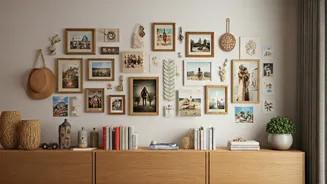
This movement is not an excuse for mindless clutter. At its best, it's about thoughtful curation. While minimalism sought to subtract, this new personal style is about adding things that tell a story. Every object has a purpose, even if that purpose is simply to spark a memory or a smile. That weird clay pot your kid made, the vintage poster you found at a flea market, the book collection that reveals your secret love of sci-fi—these are the elements that make a house a home. It's a move away from consumerism-as-identity and toward experience-as-identity. Instead of buying a whole new living room set from a big-box store, people are hunting for unique pieces, supporting local artists, and proudly displaying inherited furniture, flaws and all. It’s about creating a space that feels like a living scrapbook of a life well-lived, not a page from a catalog.