




The Resilient Spider Plant
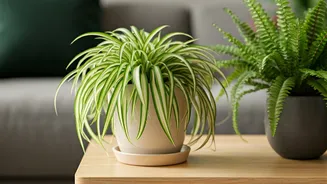
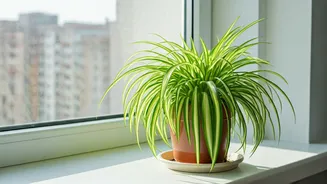
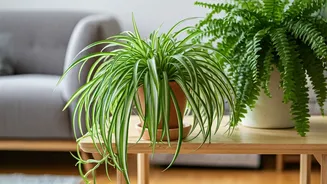
The spider plant (Chlorophytum comosum) is a champion of pet-friendly homes for a reason. Confirmed as non-toxic to both cats and dogs by the ASPCA, it’s exceptionally hardy and forgiving, making it perfect for new plant parents. Its gracefully arching
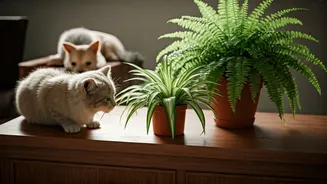
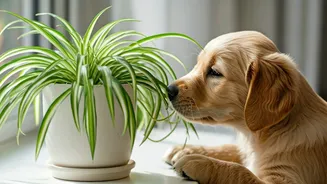
leaves and the dangling “spiderettes” (baby plants) that shoot off the main plant create a dynamic, sculptural look. These plants are also renowned for their air-purifying qualities, helping to remove common household toxins. While they are safe, those dangling plantlets can be an irresistible temptation for a playful cat. Although chewing on the leaves won't poison them, it can cause mild stomach upset if ingested in large quantities and won't do your plant any favors. For best results, place your spider plant in a hanging basket or on a high shelf where your pet can’t easily turn it into a toy.
The Lush and Leafy Boston Fern
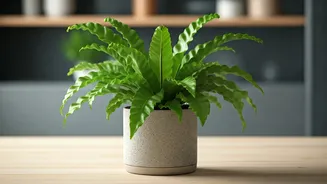
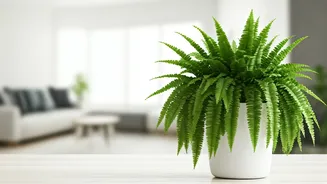
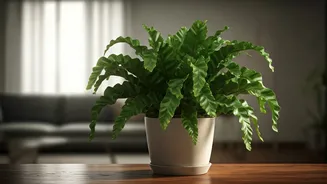
Not all ferns are created equal in the eyes of pet safety, which makes specificity crucial. The Boston Fern (Nephrolepis exaltata) is a fantastic, non-toxic choice that brings a touch of emerald elegance to any room. Its feathery, cascading fronds thrive in humid environments, making it a perfect addition to a bright bathroom or kitchen. They prefer indirect light and consistently moist soil.
It’s vital to distinguish the Boston Fern from look-alikes that are harmful. For example, the Asparagus Fern, despite its name, is not a true fern and is toxic to pets. When shopping, always confirm the scientific name to ensure you're bringing home the safe, pet-friendly variety. A true Boston Fern offers all the prehistoric beauty without the risk.
The Dramatic Prayer Plant
If you want a plant with personality, look no further than the Prayer Plant family (Calathea and Maranta). These stunning tropical plants are completely safe for cats and dogs. They are famous for their beautifully patterned leaves, which often feature intricate designs in shades of green, pink, and cream. Their common name comes from a fascinating habit called nyctinasty—the leaves fold up at night, as if in prayer, and lower again in the morning.
Prayer plants require a bit more attention than a spider plant. They need high humidity, indirect light, and distilled or filtered water to prevent their leaf tips from browning. But for the pet owner willing to provide a little extra care, the visual reward is a show-stopping, living piece of art that won't harm curious animals.
The Sturdy Parlor Palm
For those seeking a more substantial plant that evokes a tropical vibe, the Parlor Palm (Chamaedorea elegans) is an excellent, pet-safe option. This slow-growing palm has been a popular houseplant since Victorian times, largely because it's so adaptable to indoor conditions. It tolerates lower light levels and doesn't require constant attention, making it another great starter plant for busy pet owners. Its upright growth habit adds vertical interest to a room without taking up too much floor space.
Like spider plants, their swaying fronds might attract a cat’s attention, but you can rest easy knowing they are non-toxic. The Sago Palm, on the other hand, is extremely poisonous and should be avoided at all costs in a home with pets. Again, knowing the specific plant name is key to safety.
A Quick Note on “Pet-Safe”
Labeling a plant as “non-toxic” means that ingestion is not expected to cause serious illness or death. However, it doesn’t mean the plant is edible. If a dog or cat eats a large quantity of any plant material, it can still lead to gastrointestinal upset like vomiting or diarrhea. The goal is to choose plants that won’t cause a true poisoning, while still discouraging your pets from treating them like a salad bar. Supervising a new plant’s introduction into your home is always a smart first step.