




What Is Kharchi Puja?
At its heart, Kharchi Puja is a festival of cleansing and reverence celebrated in the northeastern Indian state of Tripura. The name itself, derived from the words ‘khar’ (sin) and ‘chi’ (cleaning), points to its core purpose: the ritual purification
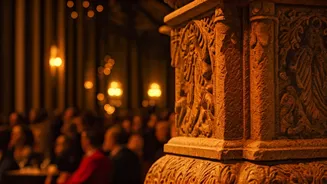
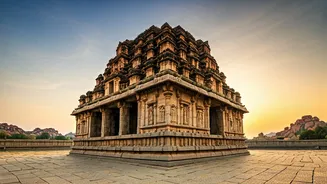
of the kingdom and its people. Held for seven days in July at the Chaturdasha Devata Temple in Old Agartala, this event is one of the most significant in the region. It's a time when thousands of devotees gather to honor the 14 deities that constitute the ancestral gods of the Tripuri royal dynasty. While rooted in ancient spiritual practices, the festival has evolved into a massive public celebration, complete with a sprawling fair, cultural performances, and an energy that is both deeply sacred and joyously communal.
A Pantheon of Fourteen Heads
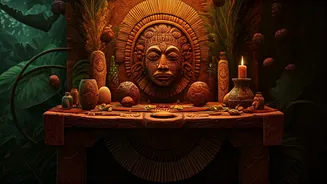
The focus of the worship is the Chaturdasha Devata, or the “Fourteen Gods.” Uniquely, these deities are not represented by full idols but by their heads alone, which are brought out of the temple for public viewing only during these seven days. The pantheon is a fascinating blend of Hindu gods and goddesses like Shiva, Vishnu, and Durga, alongside local Tripuri deities representing fundamental elements like water, earth, and fire. This syncretism is a window into the region’s complex history, where indigenous beliefs intertwined with the Hinduism adopted by the monarchy centuries ago. The procession carrying the sacred heads from the main palace to the temple is the festival's opening act, a powerful and visually striking ceremony that sets the tone for the week ahead.
The Sights, Sounds, and Atmosphere
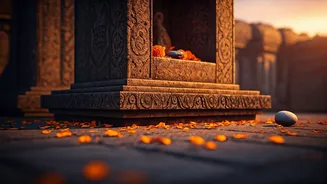
For a visitor, Kharchi Puja is a full-sensory immersion. The air is thick with the scent of incense, marigolds, and the sizzle of street food from countless stalls. The sounds are a constant symphony of temple bells, rhythmic drumming, and devotional chants. The central rituals inside the temple are led by the ‘Chantai,’ the royal head priest, and involve a series of offerings. It's important for visitors to know that animal sacrifice is a traditional part of these offerings, a practice that is integral to the event's historical and spiritual context. Beyond the temple walls, a huge mela (fair) springs to life. You'll find everything from handcrafted goods and textiles to Ferris wheels and pop-up food vendors serving local Tripuri delicacies. It’s a place where solemn spiritual observance and festive celebration exist side by side.
Why It’s a True “Escape”
Unlike polished, tourist-packaged festivals, Kharchi Puja remains raw, authentic, and deeply connected to its community. This is not an event performed for outsiders; it’s a living, breathing expression of regional identity. For the adventurous traveler looking to step far off the beaten path, it offers a profound cultural experience. The “escape” here isn’t about solitude, but about escaping the familiar. It’s a chance to witness ancient traditions unfold in real-time, engage with a community passionate about its heritage, and see a side of India that few international visitors ever do. It’s an opportunity to trade a passive vacation for an active journey into another world.
Exploring Beyond the Festival
A trip to Tripura for Kharchi Puja can be the centerpiece of a larger exploration. The state is a land of rolling green hills, lush forests, and serene lakes. Just outside the capital city of Agartala lies the magnificent Ujjayanta Palace, a stunning Indo-Saracenic royal residence that now houses the state museum. You can also explore Neermahal, a beautiful water palace located in the middle of Rudrasagar Lake, or visit the ancient rock carvings of Unakoti, a remote pilgrimage site filled with massive bas-relief sculptures of Hindu deities. Combining the intensity of the festival with the tranquility of Tripura’s landscapes makes for a balanced and unforgettable journey.