
From Functional to Foundational
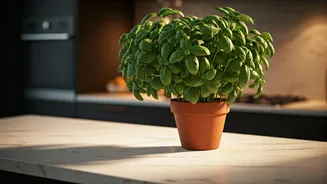
For years, the only green thing near most American stoves was a lonely pot of basil or a bundle of parsley waiting to be chopped. The kitchen was a zone of pure utility, a place for function over form. But that mindset is rapidly changing. Influenced
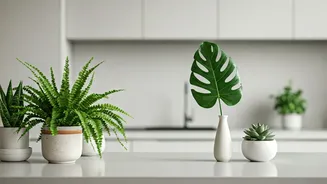
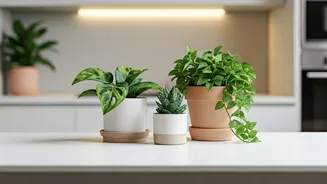
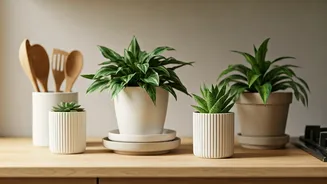
by a broader shift toward wellness and a desire to make our homes feel more like sanctuaries, the kitchen is no longer just a workshop for meals. It’s becoming an extension of our living spaces, and that means it’s getting a major dose of personality. Enter the plant-filled cooking corner. This isn't just about practicality. While having fresh herbs on hand is a bonus, the trend is driven by aesthetics and atmosphere. Home dwellers are using clusters of plants—from trailing pothos and sculptural snake plants to vibrant prayer plants—to frame their cooking areas. This small, curated vignette acts as a visual anchor, softening the hard lines of appliances and tile while infusing the room with life and color. It transforms a purely functional spot into a focal point that reflects a personal style, much like a well-arranged bookshelf or a gallery wall.
The Biophilia Effect in the Kitchen
So, why now? The movement taps directly into the concept of biophilia—the innate human desire to connect with nature. After years of staring at screens, we’re craving tangible, organic elements in our daily lives. Placing plants where we perform routine tasks, like chopping vegetables or waiting for water to boil, provides small, consistent moments of connection to the natural world. This isn’t just feel-good psychology; studies have suggested that the presence of indoor plants can reduce stress and improve mood. The kitchen is a high-traffic, high-stress area for many. It’s where the morning rush happens and where the day’s chores culminate. Turning a corner of it into a green oasis provides a calming counterbalance. The act of curating this space—choosing the pots, arranging the foliage, and tending to the plants—becomes a mindful ritual in itself. It’s a low-effort, high-reward way to practice self-care and inject a sense of peace into the heart of the home.
Curated for the Social Feed
It’s impossible to ignore the role of social media in popularizing this trend. Platforms like Instagram and Pinterest are visual-first environments where the “shelfie” (a stylized shelf photo) reigns supreme. The cooking corner has become the kitchen’s equivalent. A beautifully arranged cluster of plants next to aesthetically pleasing olive oil bottles and a rustic utensil crock makes for a perfect photo op. Hashtags like #kitchenjungle and #plantcorner are filled with thousands of images showcasing these verdant vignettes. This visual sharing creates a powerful feedback loop. People see these lush, inviting kitchen scenes online, feel inspired to replicate them, and then share their own creations. The “mood board” aspect of the headline is literal here: these corners are designed to evoke a specific feeling, often one of rustic warmth, bohemian flair, or modern tranquility. The plants are the primary medium, but they’re often complemented by curated objects like wooden cutting boards, ceramic salt cellars, and artfully leaning cookbooks, all working together to tell a visual story.
Your Own Green Nook
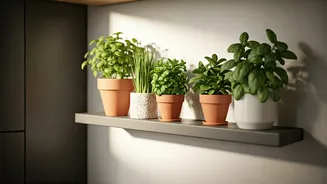
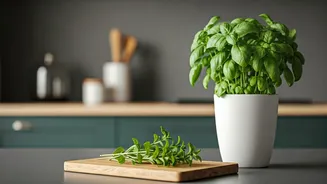
Creating your own plant-based mood board doesn't require a green thumb or a massive budget. The key is to think in layers and textures. Start with an “anchor” plant—something with a bit of height or drama, like a snake plant or a ZZ plant, both of which are notoriously low-maintenance and tolerate lower light. Then, add a trailing plant, like a pothos or philodendron, that can spill gracefully over the side of a shelf or counter. Finally, fill in the gaps with smaller pots. This is where you can bring in your functional herbs—basil, mint, and rosemary all work well if you have a sunny spot. Vary the pots to add interest: mix terracotta with glazed ceramics or modern minimalist planters. The goal isn’t a perfect, symmetrical arrangement but a composition that feels personal and alive. Group items in odd numbers (threes or fives) for a more natural look, and don’t be afraid to let your corner evolve as you find new plants and objects you love.