




Why Minimalism Resonates Now
The term “monsoon” might evoke images of the American Southwest’s dramatic summer storms, but the feeling is universal: when the weather keeps you inside, your home environment matters more than ever. A cluttered, chaotic space can amplify feelings of being
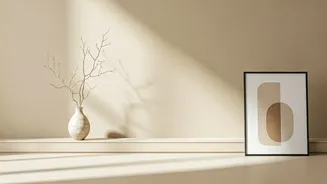
cooped up, while a clean, intentional one provides a sense of peace and control. Minimalism, in this context, isn’t about sterile, empty rooms. It’s about curating a home that actively soothes your mind. By removing visual noise—piles of mail, excess decor, forgotten objects—you create mental breathing room. This shift allows your home to become a true refuge from the blustery world outside, a place for quiet contemplation rather than restless distraction.
Embrace 'Warm Minimalism'
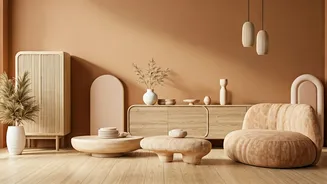
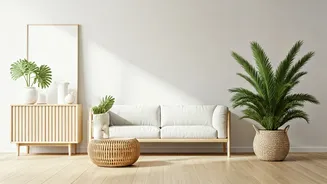
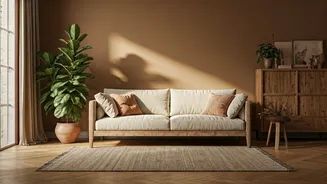
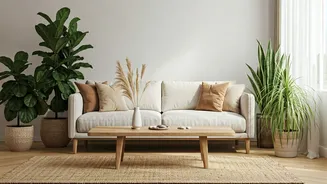
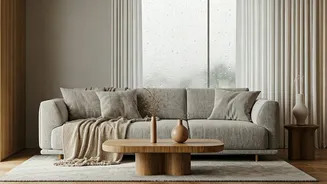
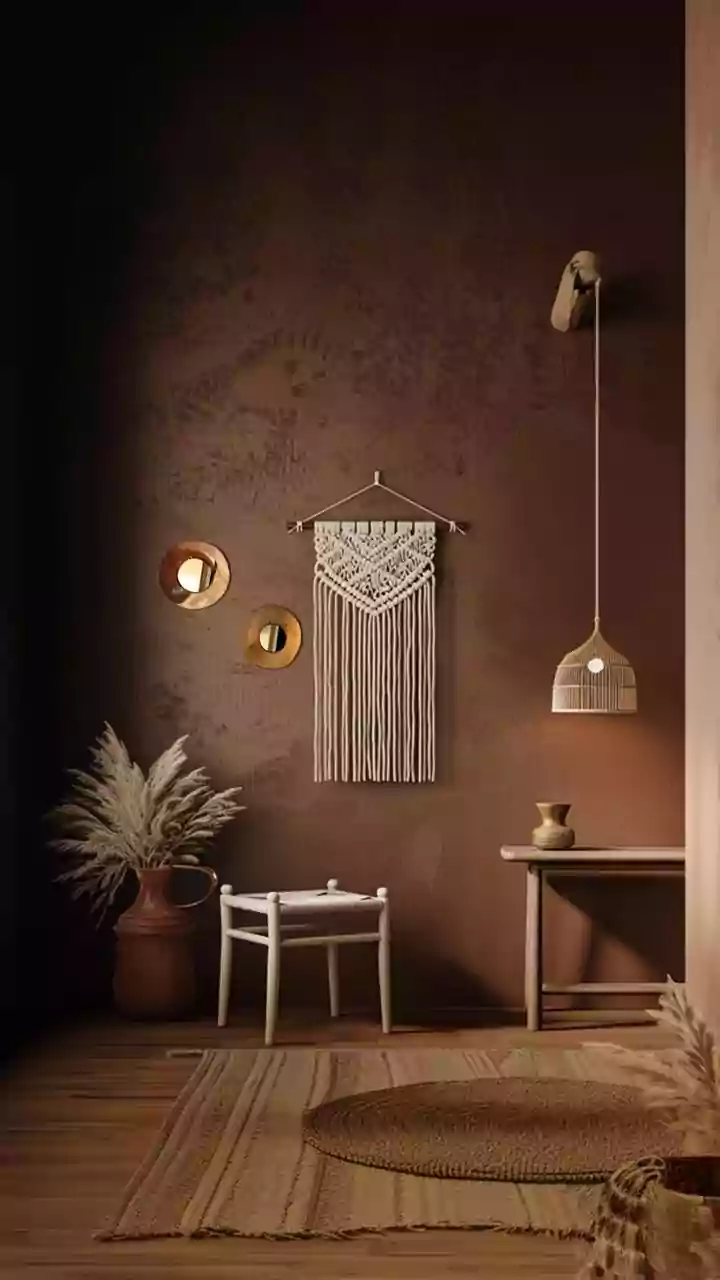
Forget the cold, clinical minimalism of the past. The current trend leans into warmth, texture, and comfort. Think of it as the cozy, introverted cousin of stark modernism. This approach, often called “warm minimalism” or “soft minimalism,” is perfect for a rainy season. It relies on a limited, neutral color palette (creamy whites, soft beiges, earthy grays, and warm browns) to create a cohesive backdrop. The magic is in the layering of textures. Imagine a soft bouclé armchair, a chunky knit throw blanket, a plush wool rug, and linen curtains that diffuse the soft, gray light. These tactile elements add depth and character, making the space feel inviting and livable, not empty.
The Strategic Declutter
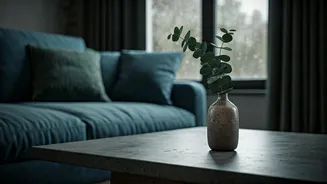
The first step toward a minimalist haven is, inevitably, decluttering. But it doesn’t have to be an overwhelming weekend overhaul. Instead, approach it strategically. Start with one small, manageable area, like a single bookshelf or your coffee table. The goal is not to get rid of everything you own, but to keep only the things that are beautiful, useful, or deeply meaningful. Ask yourself: Does this object serve a purpose? Does it bring me joy? Or is it just occupying space? By clearing surfaces, you allow key pieces to shine. A single, elegant vase or a curated stack of art books makes a much stronger statement than a dozen disconnected trinkets.
Harnessing Natural Light and Ambiance
During overcast seasons, natural light is a precious commodity. A minimalist approach helps you maximize it. Keep window treatments simple and light-filtering—think sheer linen or cotton curtains rather than heavy, dark drapes. Position mirrors opposite windows to bounce light around the room, making the space feel brighter and larger. When evening falls, lighting is key to maintaining a serene atmosphere. Avoid harsh overhead fixtures. Instead, opt for layered lighting: a stylish floor lamp for reading, a dimmable table lamp for soft ambient glow, and perhaps a few well-placed candles (real or battery-operated) to create a flickering, cozy mood that complements the sound of rain.
Bring Nature Indoors
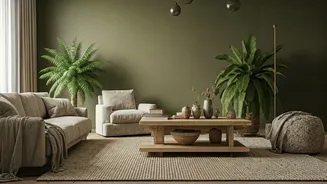
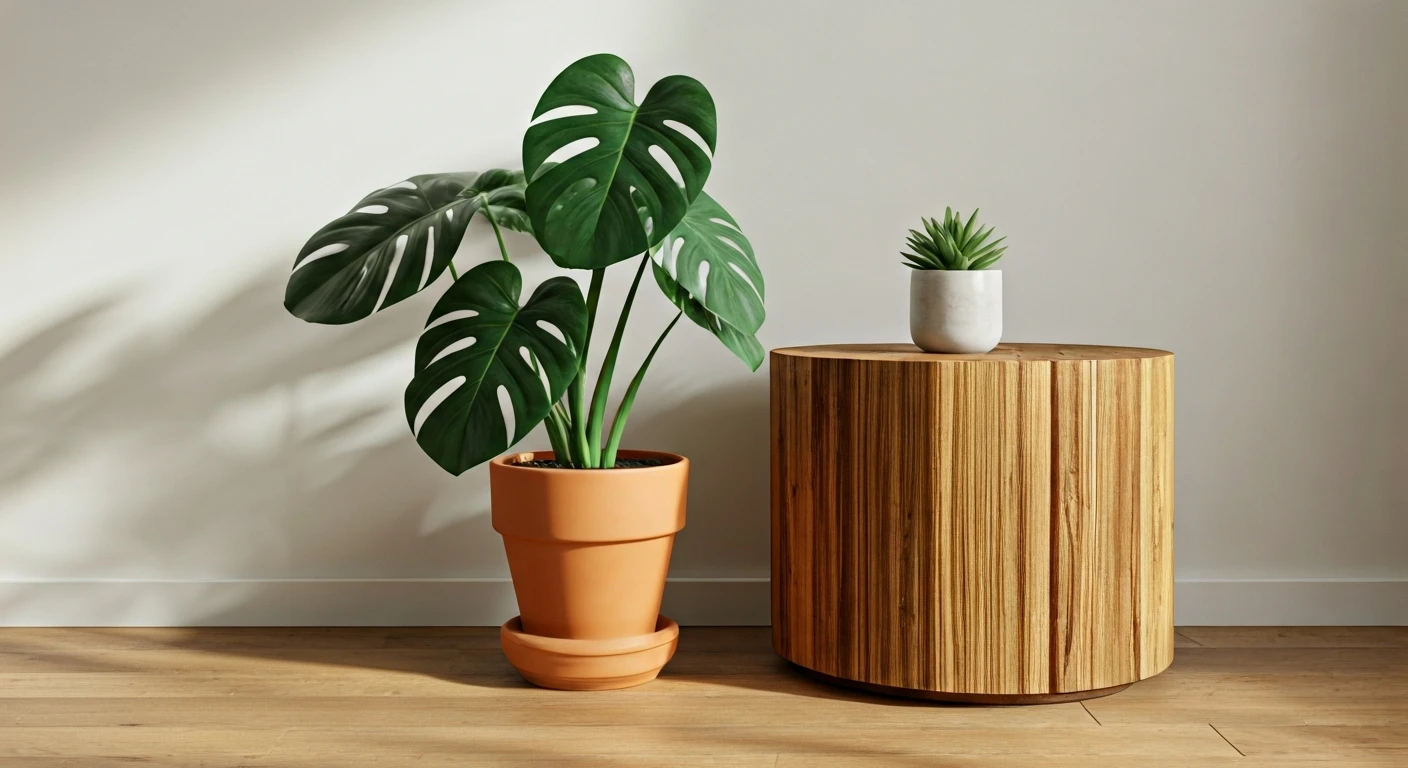
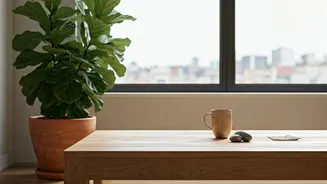
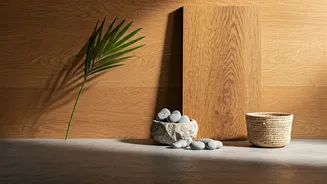
Connecting with nature can be difficult when you’re stuck inside. Minimalist design often bridges this gap by incorporating natural materials and greenery. Unfinished or light-toned woods, like oak and maple, add organic warmth to furniture and flooring. Stone accents, whether in a coaster set or a decorative bowl, provide an earthy, grounding element. And of course, there are houseplants. A few well-chosen plants, like a sculptural fiddle-leaf fig or a trailing pothos, can bring life, color, and an air-purifying boost to your space. They serve as living sculptures, adding a touch of the wild to your carefully composed sanctuary.