






First, What Is Classic Dabeli?
Before we get to the modern twist, let’s talk about the original. Dabeli, which translates to “pressed” in the Gujarati language, is a beloved street food icon from the Kutch region of western India. Think of it as India’s answer to the slider, but with
a flavor profile that’s dizzyingly complex and utterly addictive. The classic version starts with a soft, fluffy bread roll called pav, similar to a dinner roll. The roll is slit open and generously slathered with a sweet-and-sour tamarind chutney and a fiery garlic-chili chutney. Then comes the star: a sweet and spicy mashed potato filling, cooked with a special dabeli masala—a secret blend of spices that varies from vendor to vendor. It’s finished with a shower of roasted peanuts, vibrant pomegranate seeds for a burst of freshness, and a generous sprinkle of crispy sev (thin, crunchy chickpea flour noodles). It’s a symphony of soft, crunchy, sweet, spicy, and tangy all in one bite.
Enter the Jackfruit
So, how do you innovate a masterpiece? In Delhi’s hyper-competitive street food landscape, vendors are always looking for the next big thing. The answer, in this case, comes from a humble, spiky fruit. Raw green jackfruit has become a global darling of the plant-based world for one simple reason: its texture. When cooked, its fibrous flesh pulls apart, creating a stringy, substantial consistency that’s remarkably similar to pulled pork or shredded chicken. It’s a blank canvas that eagerly soaks up whatever flavors you throw at it. For years, American chefs have used it for vegan BBQ sandwiches and tacos. Now, street food vendors in India are reclaiming this indigenous ingredient and using it in uniquely Indian ways. By swapping the traditional potato filling for savory, spiced jackfruit, they’ve created something that feels both revolutionary and completely natural.
A Perfect Fusion of Flavor and Texture
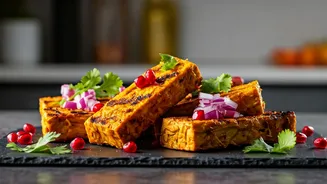
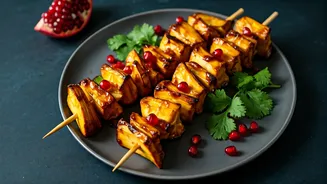
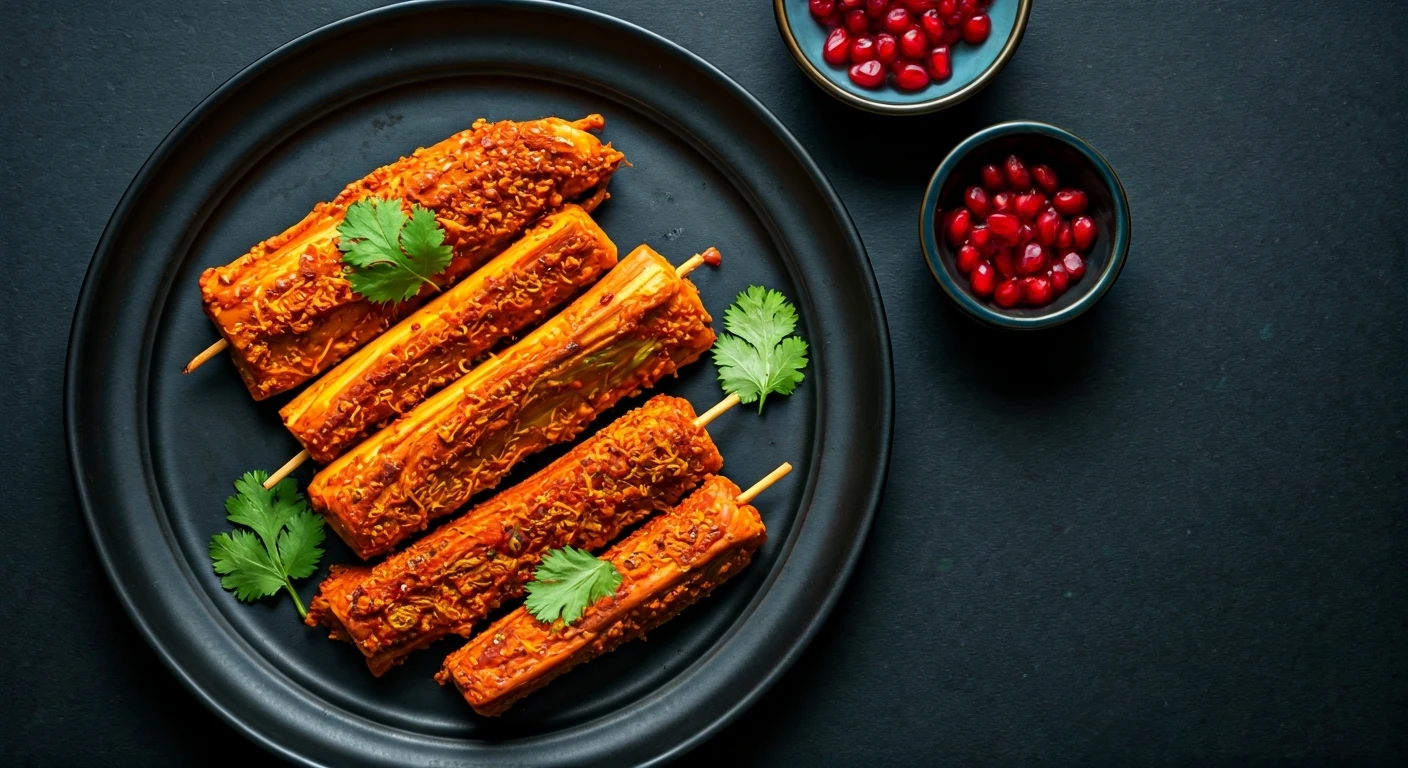
The experience of eating a jackfruit dabeli is where the magic truly happens. The potato filling of the original is comforting and delicious, but the jackfruit introduces a “meaty” chewiness that takes the snack to a new level. The shredded jackfruit is typically cooked down with onions, tomatoes, and that all-important dabeli masala until it’s tender and deeply flavorful. The result is a filling that’s savory and substantial, a perfect counterpoint to the sweet tamarind chutney. Everything else remains the same: the soft pav, the zesty chutneys, the crunchy peanuts and sev. But that one substitution changes the entire dynamic. It transforms the dabeli from a carb-on-carb snack into something with more texture, more protein, and a satisfying heft that appeals to vegans, vegetarians, and curious meat-eaters alike. Often served on a stick for easy handling, it’s the ultimate grab-and-go meal.
More Than Just a Snack
The rise of the jackfruit dabeli isn’t just about a tasty new menu item; it’s a snapshot of modern India. It reflects a street food culture that is vibrant, innovative, and constantly evolving. While a vendor in Mumbai might be fiercely traditional about their dabeli recipe, a vendor in Delhi—a city that absorbs and reinterprets cuisines from all over the country—is free to experiment. This dish caters perfectly to a younger, more globally-aware generation that is increasingly interested in plant-based diets, but still craves the authentic, explosive flavors of Indian street food. It’s a brilliant fusion of a global food trend (plant-based meat substitutes) with a hyper-local culinary tradition. It proves that innovation doesn’t have to mean abandoning your roots; sometimes, it just means looking at them through a fresh lens.