





The Soul of a Simple Dish
Before you can understand the significance of truffle khichdi, you have to appreciate its origin. Khichdi (pronounced KHICH-uh-ree) is, at its core, one of the most elemental dishes in the Indian subcontinent. A humble porridge of rice and lentils, it’s
lauded for its easy digestibility, making it the first solid food for babies and a restorative meal for the sick. But its role extends far beyond the functional. It’s the ultimate comfort food, the meal your mom makes when you’re feeling down, the simple pleasure that evokes a sense of home and security. Every region, and indeed every family, has its own version—some thin, some thick, some spiced simply with turmeric and salt, others enriched with vegetables and a dollop of ghee. Its identity is tied to simplicity, accessibility, and nourishment, not luxury.
Enter the Truffle
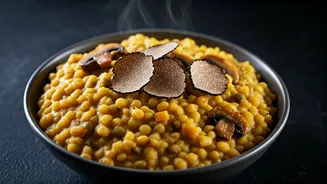
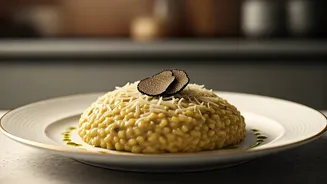
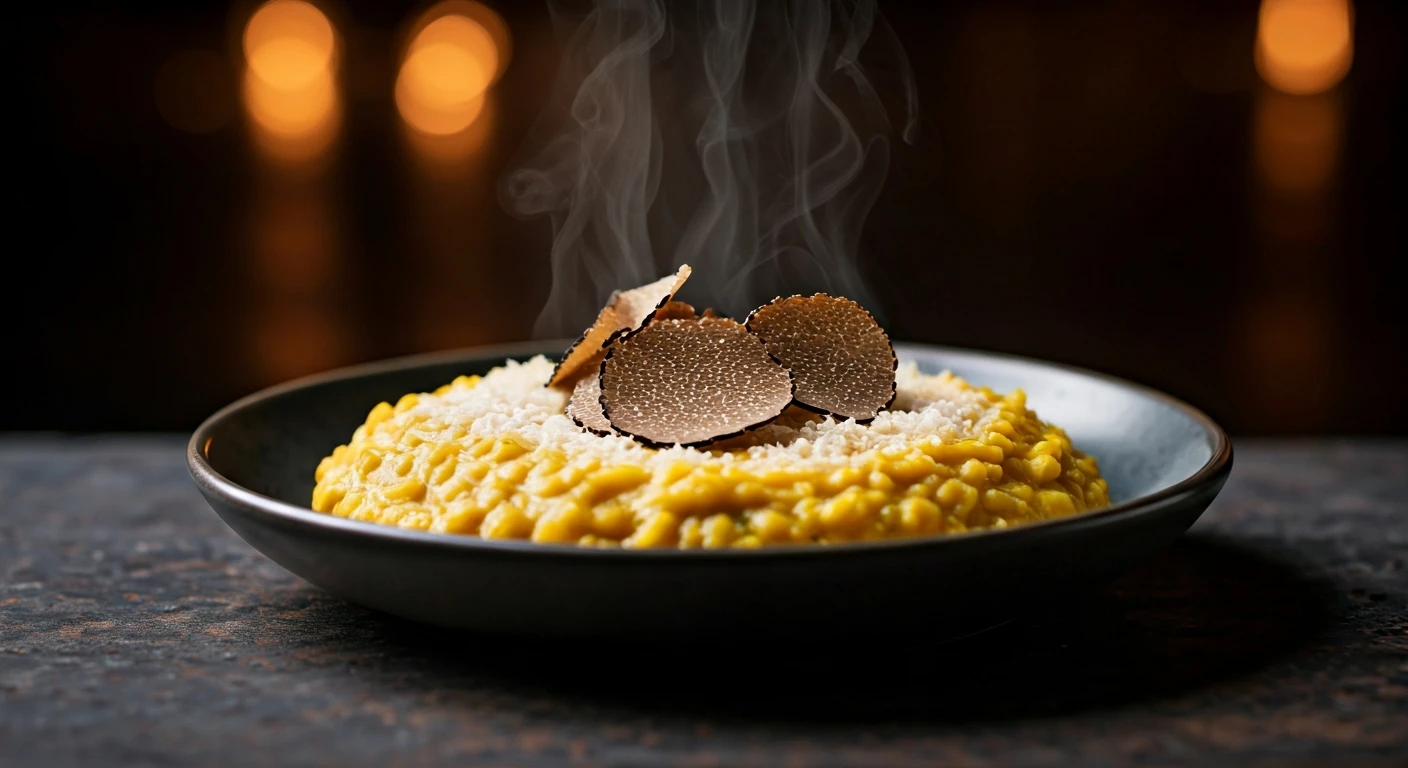
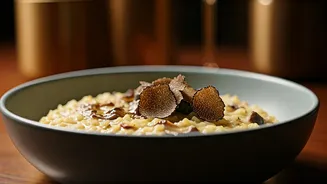
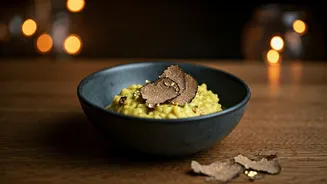
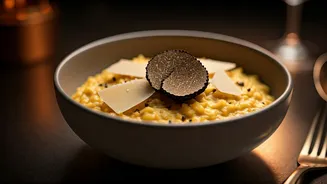
So, what happens when this paragon of simplicity collides with one of the world's most expensive and potent luxury ingredients? You get truffle khichdi. Appearing on the menus of ambitious modern Indian restaurants from New York to London and Mumbai, this dish is a deliberate statement. Chefs are swapping out standard rice for aromatic Arborio or Gobindobhog varieties, enriching the lentils with artisanal ghee, and finishing the dish with a generous drizzle of high-quality truffle oil or, for ultimate opulence, fresh truffle shavings. The result is a dish that retains the creamy, comforting texture of classic khichdi but introduces an entirely new dimension of flavor: the earthy, musky, and intensely savory aroma of truffle. It’s a culinary culture clash in a bowl, transforming a modest staple into a showstopper.
The Ambition Behind the Dish
The creation of truffle khichdi isn't just a random act of culinary fusion. It’s part of a larger movement by a new generation of chefs to elevate Indian cuisine on the global stage. For decades, Indian food in America was largely relegated to the realm of affordable, all-you-can-eat buffets. These chefs are pushing back, arguing that their culinary heritage has the same depth, complexity, and potential for innovation as French, Italian, or Japanese food. By taking a dish as fundamentally “Indian” as khichdi and applying a globally recognized fine-dining signifier like truffle, they are making a bold claim. They are challenging diners to see Indian food not just as cheap and cheerful, but as sophisticated, creative, and worthy of a place at the world’s most exclusive tables. It's a strategic move to claim culinary prestige.
Innovation or a Step Too Far?
Naturally, this trend has its critics. For every diner thrilled by the novelty, there’s a purist who sees it as an unnecessary, even disrespectful, gimmick. The argument is that the soul of khichdi lies in its simplicity; dousing it in a powerful, foreign flavor like truffle masks its inherent character. Some view it as a form of culinary pandering, an attempt to make Indian food more palatable to a Western audience by dressing it up with familiar luxury tropes. This debate gets to the heart of a question facing many diaspora cuisines: What does “authenticity” mean today? Is it about preserving recipes exactly as they were, or is it about the freedom to innovate, evolve, and express a new, hybrid identity? Truffle khichdi has, for better or worse, become a lightning rod for this very conversation.