




Meet the 'Stone' Mat
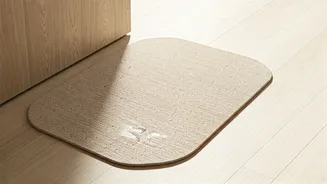
First things first: that chic, minimalist slab isn't actually stone. It’s made of diatomaceous earth (DE), a naturally occurring, sedimentary rock. But it gets more interesting. DE is formed from the fossilized remains of tiny aquatic organisms called
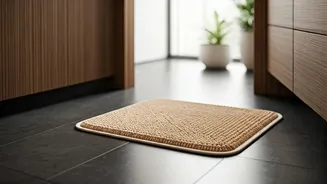
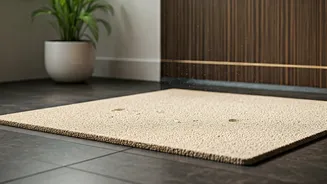
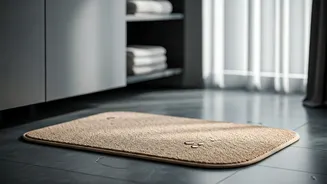
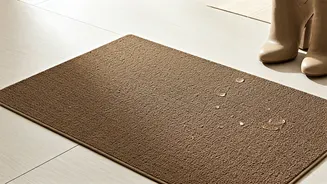
diatoms. These ancient algae skeletons are rich in silica and, under a microscope, reveal a structure that's incredibly porous. This network of millions of microscopic holes is the secret to the mat's seemingly magical abilities. When pressed into a solid, hard slab, the material feels smooth but slightly chalky to the touch, similar to unglazed ceramic or fine-grained stone. It’s cool underfoot and offers a stark, modern alternative to the plush, fabric doormats and bath mats we're all used to.
The Science of Instant Dry
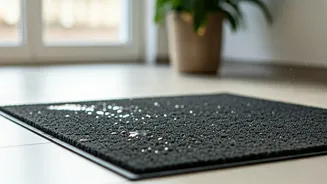
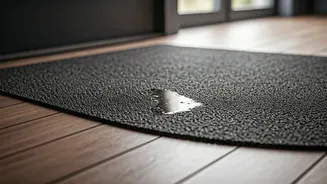
The viral videos don't lie. When you step onto a diatomaceous earth mat with wet feet, the water appears to vanish into the surface almost instantly. There’s no trickery here, just physics. The mat acts like a rigid, ultra-absorbent sponge. Its vast number of pores creates immense surface area, which wicks moisture away from your feet through capillary action. Water is pulled into the mat’s structure, where it spreads out and evaporates rapidly, thanks to constant air exposure through the porous surface. This quick-drying quality is the primary selling point. Because the surface doesn't stay damp, it's naturally resistant to the mold and mildew that plague traditional fabric bath mats, which can stay soggy for hours. This also helps reduce the musty odors that often develop in bathrooms or damp entryways.
Why They Went Viral
Diatomaceous earth mats hit a cultural sweet spot. Their rise can be attributed to a perfect storm of social media trends. First, there's the undeniable visual satisfaction. Watching water disappear into a solid surface is mesmerizing, making for compelling, shareable video content on platforms like TikTok and Instagram. Second, they align perfectly with the minimalist, clean-aesthetic movement dominating home decor. Their simple, neutral-toned appearance fits seamlessly into modern, spa-like bathrooms and uncluttered entryways. Finally, they tap into the 'clean-tok' and home-hack phenomenon, where users seek out clever products that promise to make life easier and more hygienic. The promise of a mat that never gets smelly, never needs machine washing, and always looks clean is a powerful draw for anyone tired of dealing with soggy, dirty rugs.
The Not-So-Perfect Downsides
For all their benefits, these mats aren't without their flaws. The biggest issue is their fragility. They are hard, but they are also brittle. Drop one on a tile floor or knock a corner against a hard surface, and it can crack or shatter. This makes them a risky choice for households with young children. They also require a specific type of maintenance. While you can't toss them in the wash, they can get stained by oils, soaps, or colored liquids, which don't evaporate like water. To remove stains or restore absorbency over time, you often need to lightly sand the surface with the small piece of sandpaper that typically comes with the mat. Furthermore, the hard, cool surface isn't for everyone. If you crave the soft, warm plushness of a traditional rug under your feet, the unyielding feel of a stone mat might be a dealbreaker.
Is It Right For Your Home?
Deciding whether to jump on the trend depends entirely on your priorities. A diatomaceous earth mat is an excellent choice if you prioritize a minimalist aesthetic, are battling mildew in a humid bathroom, and despise the feeling of a perpetually damp fabric mat. It's a functional piece of decor for adults who value cleanliness and modern design. However, you should probably skip it if your home is a high-traffic zone for kids and pets who might accidentally break it. It's also not ideal if you value softness and comfort above all else or if the idea of occasionally sanding your doormat sounds like a chore you'd rather avoid. They work best on a perfectly flat surface and can be a fantastic, hygienic upgrade, but they demand a different kind of care than their fabric counterparts.