



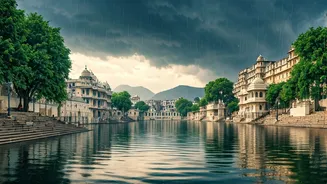


A City Washed Anew
For most American travelers, the classic image of Rajasthan is one of sun-baked forts and arid, golden-brown landscapes. And during the peak tourist season from October to March, that’s largely what you get. But from July through September, the arrival
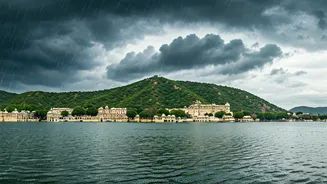
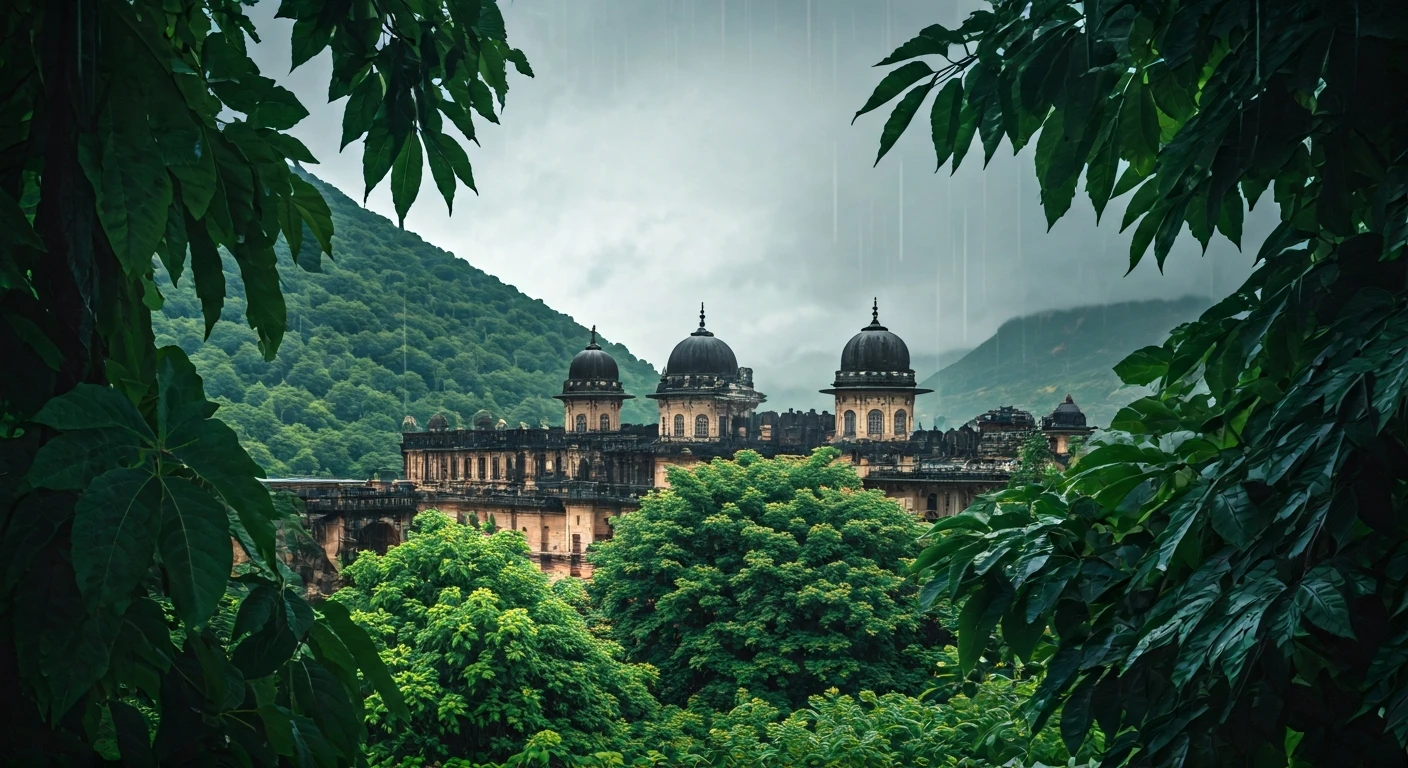
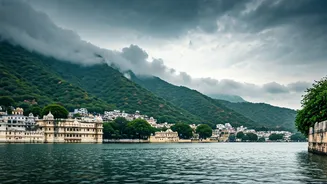
of the monsoon transforms Udaipur into an entirely different world. The parched Aravalli Hills that cradle the city suddenly burst into a thousand shades of vibrant green, creating a lush, emerald backdrop that feels more like a hidden oasis than a desert kingdom. The air, once thick with dust, is scrubbed clean by the rain, carrying the fresh scent of wet earth and blooming flowers. This isn't just a change in weather; it's a complete atmospheric reset that breathes new life into the ancient city.
The Romance of the Rain
The term “monsoon season” can be intimidating, conjuring images of week-long deluges and flooded streets. In Udaipur, however, the reality is far more poetic. The rain typically arrives in dramatic, short-lived bursts, often in the afternoon, leaving the rest of the day bright and breezy. These moments become part of the experience. Imagine sitting in a cushioned window seat of a lakeside café, sipping a hot cup of masala chai as a silver curtain of rain sweeps across Lake Pichola. The sound of droplets on ancient stone, the dramatic, cloud-filled skies, and the cool breeze that follows a downpour create a moody, contemplative atmosphere. This is the “soft romance” the city offers—less about grand gestures and more about quiet, shared moments of beauty.
Palaces and Lakes in the Mist
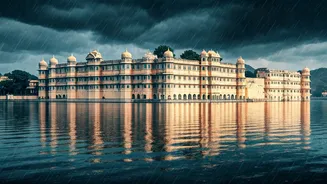
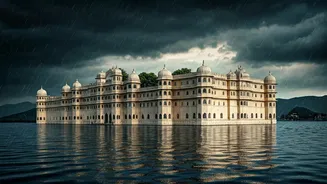
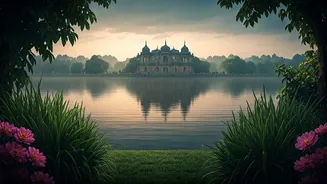
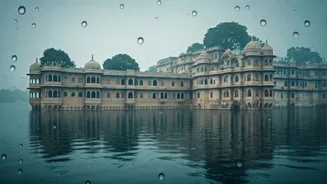
Udaipur’s iconic sights take on a new, almost mystical quality during the monsoon. The legendary Lake Palace appears to float on the replenished, silvery waters of Lake Pichola, its white marble walls often shrouded in a delicate morning mist. A boat ride on the lake becomes a journey through a living painting. The City Palace, a sprawling complex of courtyards and balconies, feels more intimate as you gaze out from its ornate windows onto the rain-washed city below. Perhaps most fitting is a visit to the Monsoon Palace (Sajjangarh), a hilltop residence built specifically to watch the clouds. From its perch, you can witness the breathtaking spectacle of storms rolling in over the greened landscape, offering panoramic views that are simply unavailable at any other time of year.
An Intimate, Uncrowded Experience
Beyond the aesthetic appeal, the monsoon window offers a significant practical advantage: fewer people. This is Udaipur’s shoulder season, a time when the crowds of peak season have yet to arrive. The result is a more relaxed and personal encounter with the city. You can wander through the narrow lanes of the old city without bumping into tour groups, find a quiet spot at a rooftop restaurant with ease, and take photographs of a serene Jag Mandir island palace without a dozen other boats in your shot. This slower pace allows you to truly soak in the city's vibe, connect with local artisans, and feel less like a tourist and more like a welcome guest. As an added bonus, hotels and even some airlines often offer lower rates during this period, making a luxury stay more accessible.
Practical Monsoon Magic
Packing for a monsoon trip to Udaipur is straightforward. Think light layers, quick-drying fabrics, and a reliable waterproof jacket or a sturdy umbrella you can buy locally. Good, non-slip footwear is essential for navigating wet marble and cobblestone streets. While the rain can cause temporary disruptions, most auto-rickshaws and ride-sharing services remain operational. Attractions stay open, and the city is well-equipped to handle the seasonal weather. The key is to embrace the rhythm of the rain. Use the sunny mornings for exploring and the rainy afternoons for museum visits, long lunches, or simply relaxing and watching the sky put on its show. It’s a travel style that forces you to slow down and appreciate the moment—the very essence of a romantic getaway.