
Moving Beyond the Perfect Picture
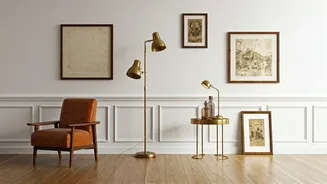
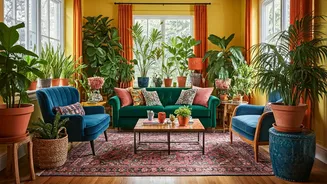
It’s easy to get lost scrolling through impeccably staged rooms on social media. We see a sleek minimalist living room or a bohemian-chic bedroom and think, “That’s it. That’s the look I want.” But chasing a pre-packaged aesthetic often leads to a space
that feels impersonal and disconnected from our actual lives. While trends can be a great source of inspiration, a home that merely replicates a popular style can feel more like a showroom than a sanctuary. The real magic happens when a space tells a story—your story. Designing from memory is the practice of looking inward, not outward, for inspiration. It prioritizes nostalgia, personal history, and emotional connection over what’s currently fashionable, resulting in a home that can’t be replicated because it is an authentic extension of you.
The Emotional Blueprint of Home
There's a psychological reason why this approach feels so right. Our environments have a profound impact on our well-being. When a space is filled with objects, colors, and textures that evoke positive memories, it becomes a source of comfort and security. This is more than just displaying a few family photos. It could be painting a room the soft blue of the ocean from a transformative vacation, or choosing a velvet sofa because it reminds you of the one in your grandmother’s cozy den. These sensory cues act as an emotional blueprint, subconsciously connecting us to moments of happiness, love, and peace. Instead of just inhabiting a space, you create a dialogue with it, where every corner reflects a piece of your journey and reinforces your sense of identity and belonging.
How to Mine Your Memories for Inspiration
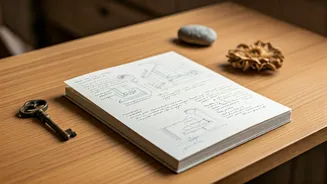
So, how do you begin this deeply personal design process? Start by becoming an archaeologist of your own past. Set aside time with a notebook and think through different chapters of your life. Don't focus on objects yet; focus on feelings and sensations. Ask yourself questions: * What colors do you associate with your happiest childhood memories? Was it the bright yellow of your mother’s kitchen or the deep green of a forest you played in? * Think about your favorite travel destinations. What textures stand out? The rough-hewn stone of a European village, the smooth sand of a beloved beach, the worn leather of a Parisian café booth? * What scents make you feel instantly at ease? The smell of rain on asphalt, baking bread, or a specific flower from a family garden? * Consider the people you love. What objects represent them? Maybe it’s not a formal portrait, but a well-worn cookbook, a collection of vinyl records, or a handmade ceramic mug.
Translating a Feeling into a Feature
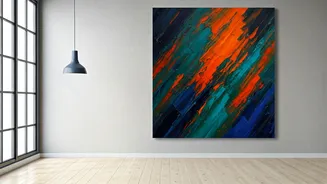
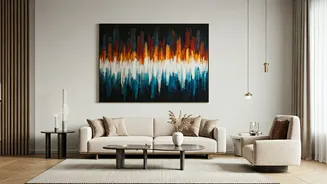
Once you have a list of these sensory memories, the next step is to translate them into tangible design choices. This is where creativity comes into play. That feeling of warmth from your grandmother's house might not mean recreating the entire room, but instead finding a plush, deep-seated armchair that invites you to curl up. The memory of a vibrant sunset over the Grand Canyon could inspire an abstract painting with fiery oranges and purples or a collection of throw pillows in similar hues. The key is to distill the *essence* of the memory. A single, powerful element is often more effective than a literal re-creation. A cherished piece of fabric from your travels can be professionally framed. A collection of smooth stones from a favorite beach can be artfully arranged on a bookshelf. These aren't just decorations; they're conversation starters and daily reminders of a life well-lived.
Curate with Intention, Not Clutter
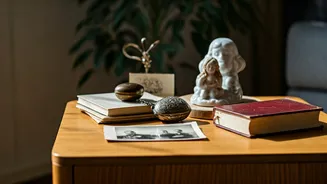
A common fear with this approach is that it will lead to a cluttered, chaotic home filled with random keepsakes. But designing from memory is the opposite of hoarding. It’s a highly curated process. The goal isn't to display every single memento you own, but to select the most resonant pieces and give them the space they deserve. Think like a museum curator: which objects tell the most important stories? By choosing a few powerful items and weaving their themes—color, texture, mood—into the broader design, you create a cohesive and harmonious space. A single, beautifully lit photograph from your parents' wedding is more impactful than ten small, cluttered frames. One piece of inherited furniture, lovingly restored, can anchor an entire room. This intentionality ensures your home feels layered and rich, not messy.