


The Rise of the Mountain Aesthetic
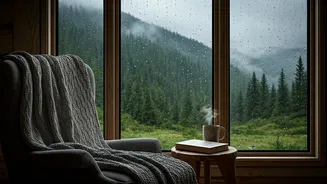
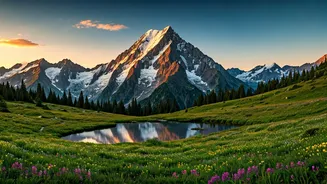
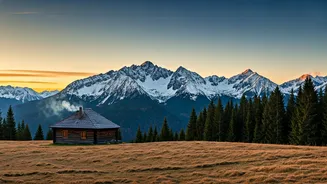
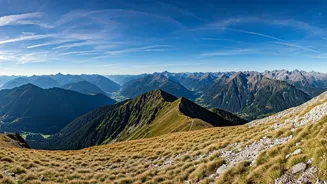
It’s an image you know well: a lone figure staring out at a vast mountain range, a steaming mug of coffee in hand. Or maybe it’s a cozy A-frame cabin, snow-dusted and glowing, promising a quiet escape from it all. For decades, the ultimate aspirational
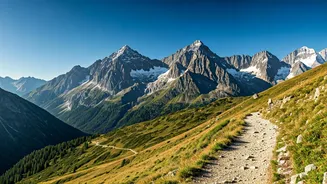
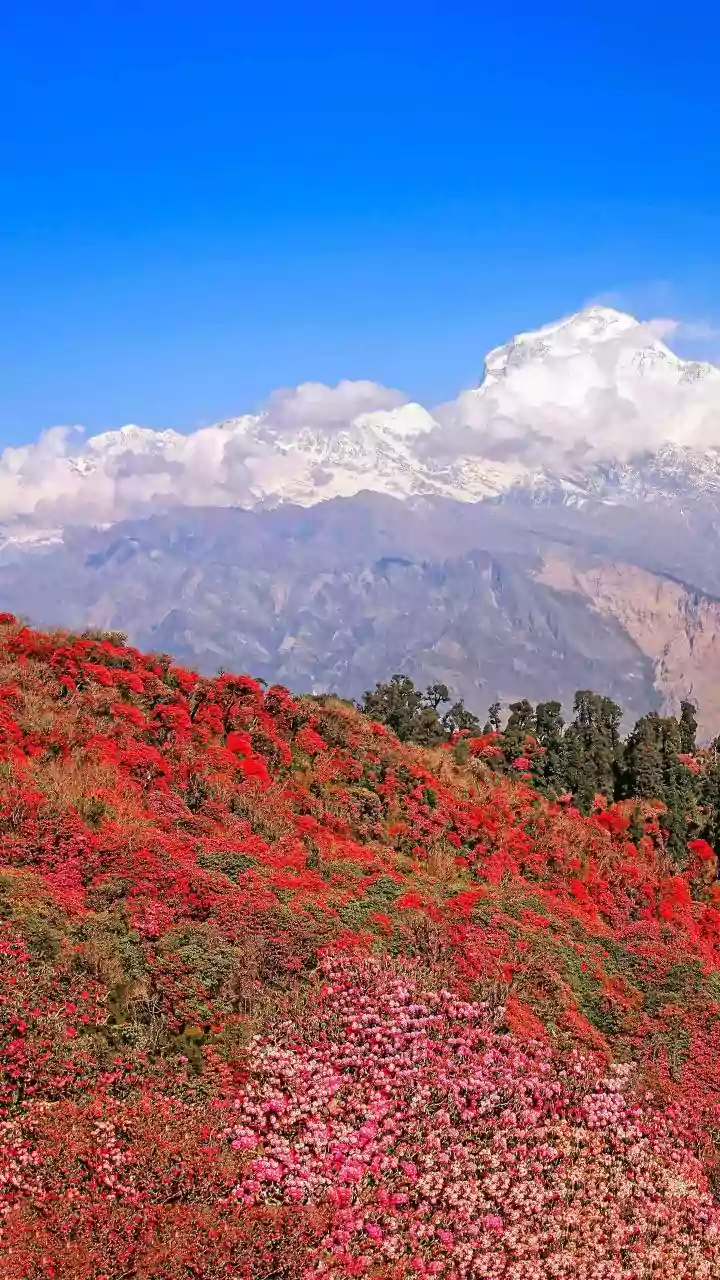
vacation was a turquoise beach. But something has shifted. The new dream is rugged, elevated, and comes with a significantly cooler climate. The mountain aesthetic—a blend of durable gear, rustic comfort, and awe-inspiring landscapes—has moved from the pages of *Outside Magazine* to the center of mainstream culture. It’s in our TV shows (hello, *Yellowstone*), our fashion (gorpcore is a a real trend), and, most of all, in the way we signal a life well-lived. This isn't just about a trip; it's about embodying a persona: someone grounded, adventurous, and in touch with something more profound than their inbox.
A Post-Pandemic Search for Space
This collective turn towards the peaks didn’t happen in a vacuum. After years of lockdowns and screen-heavy remote work, the desire for wide-open spaces became a primal urge. The pandemic reminded us of the fragility of our indoor worlds and created a deep-seated craving for nature. While a park down the street offered a brief respite, mountains delivered that feeling on a majestic scale. The Outdoor Industry Association has reported a surge in outdoor participation since 2020, with millions of Americans trying activities like hiking and camping for the first time. Mountains became the ultimate antidote to confinement. They offered not just physical distance but also a psychological reset—a place so vast and indifferent to human drama that it puts our own anxieties into perspective. They were the perfect setting for a world desperate to breathe again.
The Allure of 'Real' Awe
In a digitally saturated world, our sense of wonder is constantly under assault. We’re served an endless buffet of manufactured content, Photoshopped perfection, and algorithm-driven emotion. Mountains cut through that noise. Standing at the foot of a colossal rock formation that has existed for millions of years triggers a powerful, pre-digital feeling: awe. Psychologists have found that experiencing awe can decrease stress, increase feelings of connection, and make us feel like we have more time. A mountain doesn't care about your follower count. It doesn't need a filter to look impressive. Its grandeur is objective and absolute. This search for authenticity is a key driver of the trend. In an era of 'deepfakes' and curated online identities, the raw, unedited reality of a mountain is a powerful magnet. It feels real in a way that very little else does.
The Unplugged Status Symbol
Ironically, for a place that represents an escape from modern pressures, the mountain vacation has become the new status symbol. It signals more than just wealth; it signals a wealth of time, priorities, and physical capability. A beach trip says, “I can relax.” A mountain trip says, “I can disconnect, I can endure, and I am choosing rugged self-improvement over passive leisure.” The paradox, of course, is that this “unplugged” experience is meticulously documented and shared online. The photo of the sunrise from the summit, the video of the crackling fireplace in the cabin—these are artifacts meant to prove one’s successful escape. It’s a performance of authenticity. But even if it starts as a performance, the mountain often wins. People go seeking a cool photo and accidentally find a moment of genuine peace, proving the mountains’ power is more than just a passing trend.