



The Real Enemy Isn't Just Rain
When we talk about rainy day makeup, the real villain isn't the raindrops themselves—it's the humidity. High moisture levels in the air prevent sweat from evaporating, creating a slick surface on your skin. This causes traditional layers of foundation,
concealer, and blush to lose their grip, leading to smudging, creasing, and the dreaded 'makeup melt.' A heavy-handed application, often our first instinct to make things 'stay,' can actually make the problem worse. Thick layers of product are more likely to slide around, cake in fine lines, and look obvious as they break down. The goal isn't to pile on more product, but to apply it in a smarter, more durable way.
The Trick: Master 'Underpainting'
The game-changing technique making waves among celebrity makeup artists and beauty insiders is called 'underpainting.' It essentially flips the traditional order of your makeup application on its head. Instead of starting with foundation and layering concealer, contour, and blush on top, you do the opposite. You apply all your cream-based shaping and color products directly onto your skin first, and then apply a very thin, sheer layer of foundation over them. Think of it as building the structure and color from beneath, rather than painting it on top. This creates a finish that looks like it’s your skin, just perfected—and it’s incredibly resilient to moisture.
How to Do It: A Simple Guide
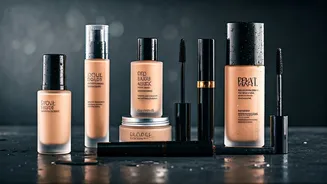
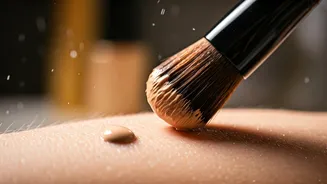
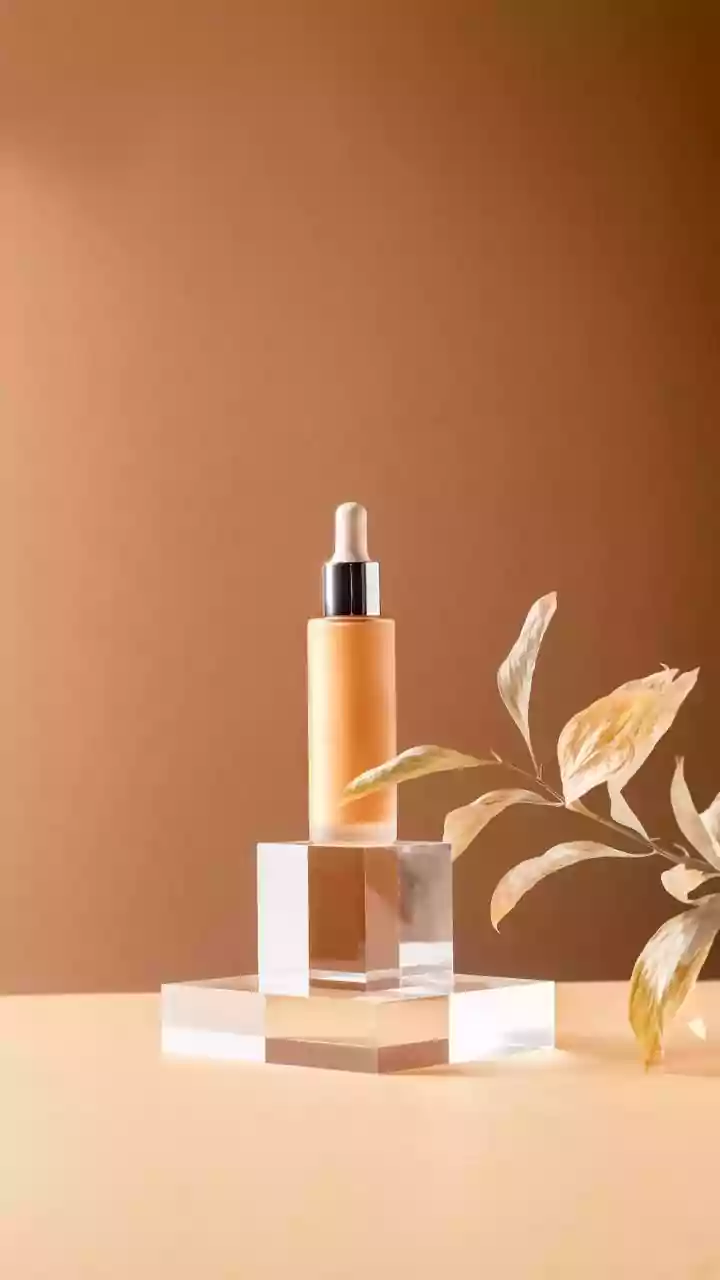
Mastering underpainting is easier than it sounds. Start with your usual prepped and moisturized skin. First, apply your cream contour and bronzer to the areas you want to define, like the hollows of your cheeks, jawline, and forehead. Next, add cream blush to the apples of your cheeks. Finally, use your concealer to brighten under your eyes and cover any blemishes. Blend everything thoroughly with a damp beauty sponge or a dense brush until the edges are soft and seamless. The key is to make it look like a naturally sculpted, if slightly intense, version of your face. Then, take a small amount of a lightweight, liquid foundation and stipple a sheer layer over your entire face, blending it over the cream products. You'll be amazed at how the foundation evens everything out while allowing the dimension from your contour and blush to show through naturally.
Why It Works So Well in Humidity
The genius of underpainting lies in its structure. By applying cream products directly to the skin, they have a better chance to meld and set without a slippery layer of foundation underneath. The very thin veil of foundation you apply on top acts less like a heavy mask and more like a sheer filter. It unifies your skin tone without adding bulk. Because there's less product sitting on the surface, there's less to slip, slide, or cake when your skin gets damp. The finish is more skin-like and breathable, allowing it to move with your face and better withstand the challenges of a humid, drizzly day. Your blush won't fade into oblivion, and your contour will remain softly defined.
Don't Forget the Waterproof Essentials
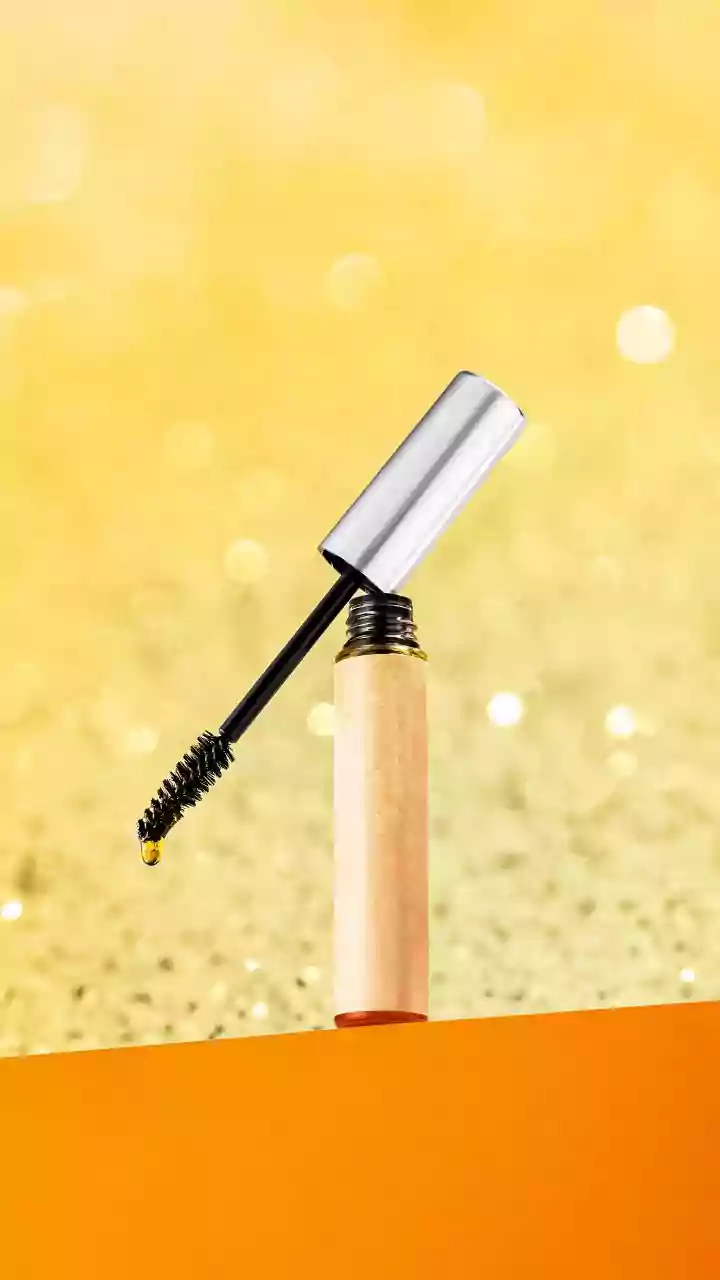
While underpainting secures your base, don't neglect the details that are most vulnerable to water. A great rainy day look is supported by a truly waterproof mascara. Nothing gives away a makeup meltdown faster than black smudges under your eyes. Look for 'tubing' mascaras, which form water-resistant tubes around each lash that won't run but come off easily with warm water and gentle pressure. The same logic applies to your eyebrows. Instead of a powder, which can wash away, opt for a waterproof brow gel or pomade to lock hairs in place and maintain their shape, no matter how strong the storm.
The Final Lock: Set It and Forget It
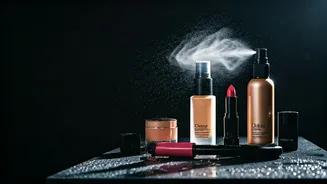
The final step to making your makeup bulletproof is a quality setting spray. After your entire face is done—underpainting, foundation, powder (if you use it), and eye makeup—it's time to lock it all in. Hold the bottle about eight to ten inches from your face and mist it evenly. Don't drench your skin; a light, even coating is all you need. A good setting spray creates a flexible, invisible film that acts as a final barrier against moisture, friction, and environmental stressors. For extra staying power on a particularly challenging day, you can even spray it between your cream and foundation layers.