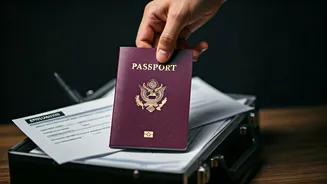







Understanding the Schengen Zone
Before diving into the numbers, let's clarify what the Schengen Area is. It’s a bloc of 29 European countries that have abolished internal border controls, effectively functioning as a single jurisdiction for international travel. A visa from any member
state allows you to travel freely throughout the entire zone for up to 90 days. However, the rule of thumb is to apply to the country that is your main destination or your first point of entry if you're visiting multiple countries for equal lengths of time. This choice of embassy is where strategy comes into play, because the difficulty of getting that coveted visa stamp varies dramatically from one nation to another.
Why Do Approval Rates Differ?
Several factors contribute to the disparity in visa rejection rates. The primary reason is the sheer volume of applications a consulate receives. Popular destinations like France and Germany are often inundated, leading to stricter scrutiny and less leeway for minor application errors. Secondly, each country's consulate has its own internal risk assessment policies. They evaluate the likelihood of an applicant overstaying their visa based on economic ties to their home country, travel history, and the completeness of their documentation. Bilateral relations and the specific economic situation of the applicant's country can also play a subtle role. A country with a smaller tourism footprint might be more lenient to attract visitors, while another might be dealing with higher rates of immigration fraud, leading to a more cautious approach.
The Easiest Doors to Knock On
Statistics consistently show that some countries have significantly higher visa approval rates for Indian passport holders. Based on recent data, Switzerland often stands out as one of the most welcoming. With a rejection rate that frequently hovers in the low double digits, its consulates are known for efficient processing and clear requirements. Similarly, Luxembourg and Iceland tend to have very low refusal rates, partly because they receive fewer applications, allowing for more thorough and often favorable reviews. If your itinerary is flexible, routing your application through one of these countries could statistically increase your chances of success, provided you can present a legitimate travel plan centered there.
The Toughest Hurdles to Clear
On the other end of the spectrum are countries with notoriously high rejection rates. For years, Malta has held the distinction of being one of the most difficult Schengen visas for Indians to obtain, with rejection rates sometimes approaching 40-50%. This is often attributed to a combination of high application volumes relative to its small size and stringent checks to prevent illegal immigration. Other popular destinations like France, Belgium, and Estonia have also shown higher-than-average refusal rates. An incomplete application, a weak travel history, or insufficient proof of funds are more likely to result in a denial at these busy consulates. Applying to these countries requires an airtight application with zero room for error.
Tips for a Stronger Application
Regardless of which country you apply to, a strong application is your best defense against rejection. First, ensure your documentation is flawless. This means bank statements showing sufficient funds (well above the minimum required), a detailed day-by-day itinerary, confirmed flight and hotel bookings, and a cover letter that clearly explains the purpose of your trip. Second, demonstrate strong ties to India—such as a stable job, property ownership, or family commitments—which reassures the visa officer you intend to return. Third, apply well in advance, at least a month or two before your trip, to avoid last-minute stress and allow for potential processing delays. Finally, be honest and consistent across all your documents. Any discrepancy can be a red flag.