

The Soul of Indian Home Cooking
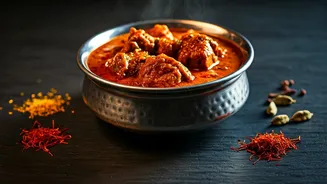
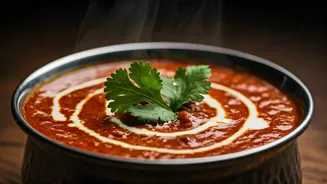
First, let's define our terms. When we talk about Indian comfort food, we’re not talking about the rich, creamy curries you might find on a typical takeout menu. We’re talking about the unglamorous, everyday staples that power a subcontinent. Think of
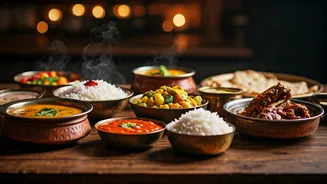
dal, the ubiquitous lentil stew that varies by region, household, and even the day of the week. Or khichdi, a soft-cooked porridge of rice and lentils, often the first solid food an Indian baby eats and the go-to meal for anyone feeling under the weather. These are dishes like rajma chawal (kidney beans with rice) or a simple sabzi (vegetable stir-fry) with roti. They are built on simple ingredients, complex but subtle spicing, and an emotional connection to home and health. For generations of Indian immigrants in the U.S., these dishes were a private taste of home, rarely seen on restaurant menus that catered to American expectations of what “Indian food” should be.
From Humble to Haute Cuisine
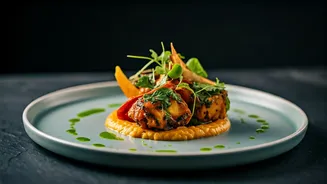
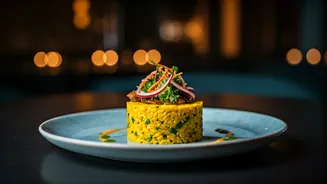
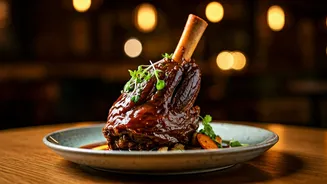
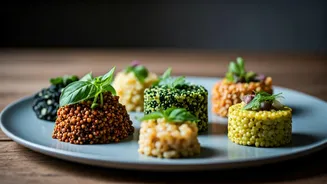
So, what does a “premium era” for this food look like? It’s not just about adding a sprig of parsley and doubling the price. It's a complete philosophical reimagining. Chefs are meticulously sourcing ingredients, using heirloom grains for their khichdi or single-origin turmeric for their dal. They are applying classical French techniques to traditional recipes, creating textures and flavor depths previously unexplored. A simple lentil stew might be clarified into a delicate consommé or slow-cooked for 48 hours to achieve an impossible creaminess without any cream. A humble yogurt and rice dish might be deconstructed and presented with foams, gels, and crisps. It's about taking the emotional core of a dish—its comforting essence—and elevating it through technique, presentation, and storytelling. These chefs are essentially asking: what if we treated our grandmother’s cooking with the same reverence and ambition as a Michelin-starred French chef treats a coq au vin?
The Confidence of a New Generation
This shift is being driven by a new wave of Indian and Indian-American chefs who are unapologetic about their heritage. Unlike the first generation of restaurateurs, who often felt pressured to conform to a simplified, anglicized menu of chicken tikka masala and saag paneer, this new cohort is confident in the value of their own culinary traditions. Many are second-generation Americans who grew up eating this food at home while training in high-end kitchens. They possess the unique ability to bridge two worlds, translating the flavors of their childhood through the lens of modern gastronomy. Chefs like Chintan Pandya of New York’s Dhamaka and Semma have gained rock-star status not by toning down flavors, but by amplifying them and celebrating hyper-regional specificity. They are telling American diners that the food they grew up with is not just “ethnic” or “cheap,” but a sophisticated cuisine worthy of a tasting menu.
A Seat at the Table
The result is a thrilling new landscape for Indian food in America. You might find a wild mushroom and truffle oil khichdi on a tasting menu in San Francisco or a deconstructed papdi chaat that looks more like modern art than street food in Chicago. Restaurants like Indian Accent, with outposts in New Delhi and New York, became famous for inventive dishes like blue cheese-stuffed naan, proving that Indian flavors could play in the high-end sandbox. The success of these pioneers has paved the way for others, creating a feedback loop where increasingly adventurous diners seek out authentic, regional, and now, premium comfort food experiences. It signals a fundamental change in the power dynamic. Indian cuisine is no longer just serving the American palate; it’s shaping it.