


The Problem with Plastic
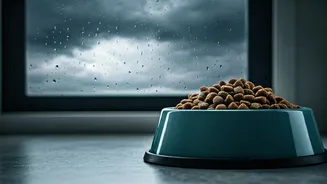
For years, plastic bowls have been the default choice. They’re cheap, lightweight, and available everywhere. That convenience, however, comes with hidden costs to your pet's health. The primary issue with plastic is its porous nature. Over time, even
with gentle use, the surface develops microscopic scratches and grooves. These tiny imperfections are perfect hiding spots for bacteria like Salmonella and E. coli to thrive, creating a biofilm that’s difficult to remove with a simple rinse or even a soapy sponge. Furthermore, some pets can develop allergies to plastic, which may manifest as a rash or acne on their chin—a condition vets commonly call “feline acne.” While not all plastics are created equal, the fundamental problem of micro-scratches and bacterial growth has led many discerning owners to seek safer, more durable alternatives.
The Stainless Steel Standard
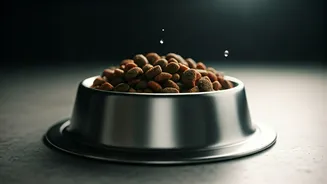
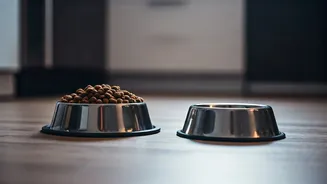
Step into any veterinary clinic, and you’ll likely see stainless steel bowls. There’s a reason for this: it’s considered the gold standard for pet food and water. High-quality, food-grade stainless steel is non-porous, meaning bacteria have nowhere to hide. It doesn’t leach chemicals into your pet's food or water, and it’s incredibly durable, resisting the scratches and cracks that plague other materials. For pet parents, the benefits are clear. Stainless steel bowls are typically dishwasher-safe, making daily sanitization effortless. They don’t rust, stain, or harbor odors. While they may represent a slightly higher initial investment than a cheap plastic bowl, their longevity and superior hygiene make them a more economical and healthier choice in the long run. When shopping, look for bowls made from “food-grade” or “304-grade” stainless steel to ensure you’re getting a quality product.
Ceramic and Glass: The Other Contenders
If the industrial look of stainless steel isn’t for you, ceramic and glass bowls are also excellent choices, provided you pick the right ones. A heavy ceramic bowl can be a great option for enthusiastic eaters, as it’s less likely to be pushed around the floor. The key is to ensure the bowl is coated in a lead-free, food-grade glaze. Without this protective coating, ceramic can be porous, and any chips or cracks can become breeding grounds for bacteria, negating the hygienic benefits. Always inspect ceramic bowls for cracks and discard them if damaged. Glass bowls, like Pyrex or other food-safe options, offer the same non-porous benefits as stainless steel and allow you to easily see if they are truly clean. Their main drawback is fragility. A dropped glass bowl can shatter, posing a risk to both pets and people. For a calm pet in a non-chaotic household, however, glass is a perfectly safe and clean option.
Your Cleaning Routine Still Matters Most
Switching to a better bowl material is a fantastic step, but it doesn't eliminate the need for proper hygiene. No matter what kind of bowl you use, it should be cleaned daily. The U.S. Food and Drug Administration (FDA) recommends that pet parents wash food and water bowls with soap and hot water after every single meal. For an even deeper clean, most stainless steel, glass, and certified dishwasher-safe ceramic bowls can be run through the dishwasher, which uses high temperatures to effectively sanitize them. Think of your pet’s bowl like your own plate. You wouldn't eat off the same dirty dish for days on end, and providing your pet with a fresh, clean bowl for every meal is one of the simplest and most effective ways to support their long-term health. The trend toward cleaner bowls isn’t just about the material; it’s about a more mindful approach to our pets' daily care.