







Harness the Power of Light
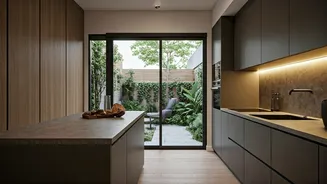
The single most important element in creating an airy space is natural light. Large, unadorned windows, glass doors, and even strategically placed skylights can transform a room, making it feel larger, cleaner, and more connected to the outdoors. Light
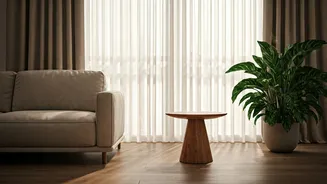
is a natural mood-booster and energizer. When structural changes aren't possible, simple tricks can maximize what you have. Use lightweight, sheer curtains instead of heavy drapes. Place mirrors opposite windows to bounce light around the room. And keep windowsills clear to avoid obstructing the view and the flow of light. A well-lit room feels optimistic and open, setting the stage for everything else.
Prioritize Uninterrupted Flow
An airy home allows the eye—and you—to move freely. This is the principle behind the enduring popularity of open-concept living. By removing non-structural walls between kitchens, dining areas, and living rooms, you create a single, cohesive space that encourages social interaction and flexibility. But even in a more traditional layout, you can create flow. Ensure there are clear, unobstructed pathways through rooms. Arrange furniture to create conversation zones without blocking movement. Using consistent flooring across multiple areas can also trick the eye into seeing one large, continuous space, further enhancing the sense of boundless flow.
Utilize Vertical Space
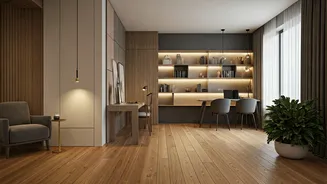
When you can’t build outwards, build upwards. Drawing the eye toward the ceiling is a classic designer trick for making a space feel grander and more open. High ceilings are a gift, but you can create the illusion of height in any room. Hang curtain rods a few inches below the ceiling and use long drapes that kiss the floor. Opt for vertical stripes on an accent wall or choose tall, narrow furniture like bookshelves or armoires. Even a single, striking pendant light can draw attention upward, adding a sense of volume and drama that makes the entire room feel less confined and more expansive.
Choose a Mindful Color Palette
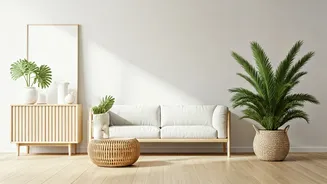
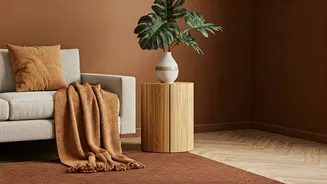
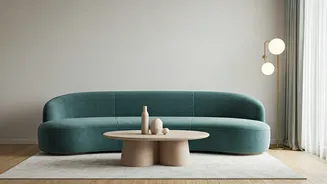
Color has a profound psychological impact on how we perceive a space. To create an airy feel, lean into light, neutral color palettes. Whites, creams, soft grays, and pale pastels reflect light and make walls recede, which visually enlargies a room. This doesn't mean your home has to be boring or sterile. You can introduce depth and personality with texture—a chunky knit throw, a woven rug, or a linen sofa—and add pops of color through art, pillows, and decor. The key is to keep the main “canvas” of your walls, ceilings, and large furniture pieces light, creating a serene backdrop that feels calm and uncluttered.
Declutter with Purposeful Intent
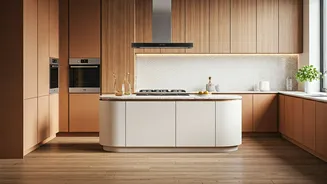
An airy space is a tidy space. Clutter, both physical and visual, weighs a room down and creates a sense of chaos and confinement. The future-ready home isn't about sterile minimalism, but about intentionality. Every object should have a purpose or bring you joy. Invest in smart, hidden storage solutions to keep everyday necessities out of sight. Practice the “one in, one out” rule to prevent accumulation. By being deliberate about what you bring into your home, you free up not just physical space, but mental space, too. A room that can breathe allows you to do the same.