

The Comfort Food Comeback
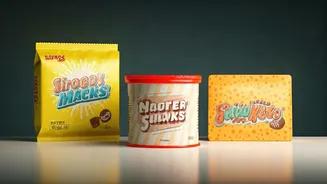
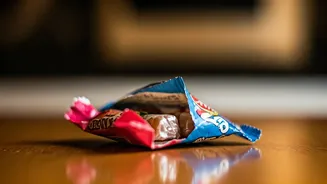
There’s a reason why seeing a classic Little Debbie snack cake or a handful of Goldfish crackers feels like a warm hug. In times of economic uncertainty and social flux, people naturally gravitate toward the familiar and the comforting. Nostalgia isn't
just a wistful feeling; it’s a psychological anchor. Food, in particular, is powerfully tied to memory. The taste of a Fruit Roll-Up or the specific crunch of a Cheez-It can transport you back to a simpler time—after-school cartoons, summer afternoons, or trading snacks in the cafeteria.Legacy food brands understand this impulse better than anyone. They’re sitting on a goldmine of positive associations built over decades. For Millennials now navigating careers, mortgages, and parenthood, these snacks represent a pre-internet era of simpler pleasures. For Gen Z, who may not have grown up with these foods as staples, they represent a cool, retro aesthetic—a tangible piece of the 90s and early 2000s culture they love to emulate. The appeal crosses generational lines, tapping into a shared desire for authenticity and comfort in a hyper-digital world.
The TikTok Time Machine
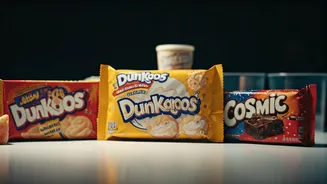
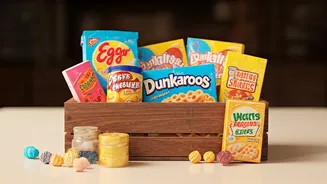
This emotional pull is being supercharged by the social media algorithm, especially on platforms like TikTok and Instagram. Nostalgia content is, by its nature, highly relatable and shareable. A video of someone rediscovering the joy of Dunkaroos—the ritual of dipping the cookie into the frosting—doesn't feel like an ad. It feels like a shared memory.This user-generated content is essentially free, highly authentic marketing that brands could never replicate on their own. The format is simple and effective: a creator unboxes a snack they haven't had in years, tries it on camera, and shares their genuine reaction. The comments section floods with thousands of others sharing their own memories: “I can smell this video,” or “The blue frosting was the best!” Brands amplify this by engaging directly, reposting fan content, and creating their own videos that play into the retro vibe without feeling corporate. They’re not just selling a product; they're facilitating a communal trip down memory lane, and the algorithm rewards them for it with massive reach.
Masters of the Throwback
Some brands are executing this playbook to perfection. Consider Goldfish. For years, it was primarily seen as a kids' snack. But parent company Campbell Soup Co. has made a concerted effort to market Goldfish to its adult fans. They launched limited-edition flavors with Frank’s RedHot and Old Bay, clearly targeting an older palate. Their social media channels are filled with content showing adults enjoying Goldfish as a post-work snack or a solo treat, validating the behavior of the millions of Millennials who never stopped eating them.Pop-Tarts is another master. Instead of just relying on its classic flavors, the brand constantly engages in online banter, drops limited-edition flavors that generate immense hype (like Eggo Frosted Maple), and treats its social media presence like a personality-driven creator account. By staying culturally relevant and leaning into the inherent weirdness of a frosted breakfast pastry, Pop-Tarts has maintained its grip on generations new and old. The strategy isn’t just about reminding you they exist; it’s about making you feel like they’re part of the joke.
Nostalgia as a Business Model
Ultimately, this trend is a masterclass in modern brand management. For decades, the goal for established food companies was to constantly innovate with new products. Now, many are realizing that their most valuable asset might be their own history. Relaunching a beloved-but-discontinued product like General Mills' Dunkaroos or reigniting interest in a classic like Hostess's Twinkies is often more cost-effective and culturally resonant than launching something entirely new.This isn't just about sparking a brief moment of online chatter. It's a strategy to refresh a brand's image and deepen its connection with consumers. By tapping into nostalgia, these companies are ensuring they’re not just seen as relics on a grocery store shelf. They’re active participants in today’s cultural conversation. They are transforming latent affection into active engagement and, most importantly for them, consistent sales. It’s proof that in the fast-moving digital age, sometimes the best way forward is to look back.