



The Rise of the 'Cool-Cation'
Forget chasing the sun. For a growing number of Americans, the new travel luxury is escaping it. With record-breaking temperatures becoming a summer norm across the South and Southwest, travelers are increasingly looking north—and up. The appeal is simple:
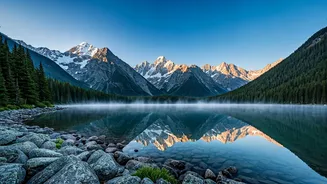
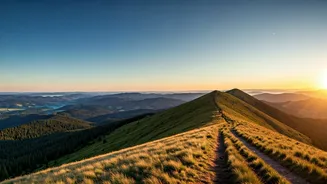
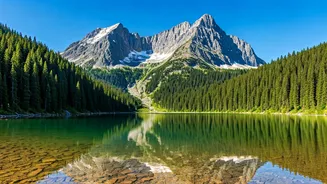
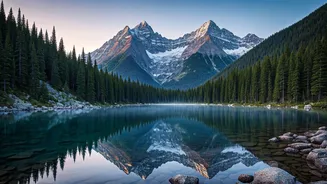
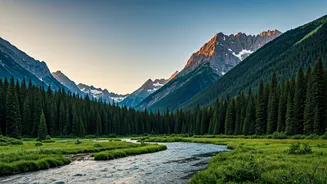
trading sweltering 100°F cityscapes for crisp, 75°F mountain air. Travel booking sites and tourism officials in high-altitude regions are reporting a significant uptick in summer interest. This isn't just about avoiding discomfort; it's about finding a place where you can actually enjoy the outdoors, whether it's hiking, dining al fresco, or simply sleeping with the windows open. The 'cool-cation' is less a niche and more a mainstream movement, reshaping the summer travel map one mountain town at a time.
New England's Green Mountains and White Mountains
Vermont and New Hampshire have long been fall foliage destinations, but their summer profile is soaring. Towns like Stowe, Vermont, and North Conway, New Hampshire, offer a perfect formula for the heat-weary. Daytime temperatures often hover in the comfortable 70s, ideal for exploring the region's vast network of hiking trails, swimming in crystal-clear (and refreshingly chilly) mountain lakes, and browsing quaint main streets. The appeal here is the idyllic, slow-paced charm. It’s a world of farmers' markets, craft breweries, and scenic drives that feel a world away from the oppressive humidity of the coasts. Instead of fighting for a spot on a crowded, scorching beach, visitors are finding their space along shaded forest paths and breezy mountain summits.
The Blue Ridge Parkway's High-Altitude Havens
While the Southeast bakes, the higher elevations of North Carolina and Virginia offer a surprising oasis. The Blue Ridge Mountains, with towns like Boone and Asheville in North Carolina, are becoming prime summer real estate for travelers. At elevations over 3,000 feet, the air is noticeably cooler and less humid. Asheville, with its vibrant arts scene and renowned restaurants, provides a culturally rich basecamp. Further north along the parkway, smaller towns in Virginia offer access to stunning sections of Shenandoah National Park. The draw is the combination of natural air conditioning with a rich Appalachian culture of music, crafts, and hospitality, providing a complete sensory escape from the flatland heat.
Colorado's Rockies Beyond the Ski Season
Colorado's ski towns have a well-kept secret: their summers are even better. Once the snow melts, places like Breckenridge, Vail, and Aspen transform into verdant playgrounds. The dry, high-altitude air keeps temperatures pleasant, rarely cresting 80 degrees even in July. The infrastructure built for skiing—gondolas, lodges, and a robust hospitality industry—is perfectly repurposed for summer adventurers. Visitors can take a scenic gondola ride for breathtaking views, hike or mountain bike on world-class trails, or enjoy outdoor concerts in stunning alpine settings. It's a destination that proves the mountains offer just as much thrill and beauty without the snow, especially when the alternative is triple-digit heat back home.
The Pacific Northwest's Evergreen Escape
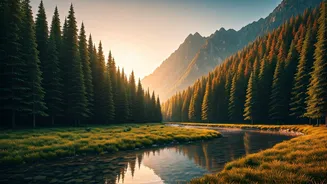
For those seeking to escape the heat on the West Coast, the answer lies in the lush, temperate rainforests and volcanic peaks of Washington and Oregon. While inland areas can get hot, the regions around Mount Rainier, the Olympic Peninsula, and Mount Hood offer a reliable reprieve. Here, the landscape is dominated by towering evergreen trees, dramatic waterfalls, and a persistent misty coolness. It's a different kind of summer vacation—one defined more by layering fleece jackets than slathering on sunscreen. Travelers come here not to bake, but to breathe in the scent of pine and damp earth, hike through moss-covered forests, and experience a wild, green beauty that feels like nature's own climate control.