




The End of the Autopilot Vacation
For decades, the classic American vacation followed a simple script: pack your bags, head to a sunny destination, and spend a week unwinding by the pool or on the sand. This “fly-and-flop” model was predictable, relaxing, and, for many, the pinnacle of
leisure. But its dominance is waning. In a world saturated with digital noise and curated perfection, travelers are increasingly seeking more than just a break from routine; they’re seeking a story to tell, a skill to learn, or a memory that can’t be replicated by simply looking at a photo. The passive vacation, where the destination does all the work, is giving way to an active, participatory style of travel where the itinerary is a highlight reel of unique experiences rather than a blank slate.
Enter the Experience-First Itinerary
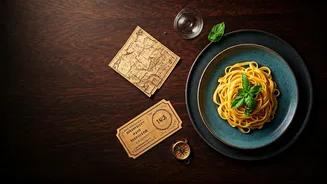
This shift isn’t happening in a vacuum. It’s a direct reflection of the broader “experience economy,” where consumers, particularly Millennials and Gen Z, prioritize spending on doing things over owning things. A trip is no longer just a location; it's a collection of moments. Social media has accelerated this, but not in the way you might think. While postcard-perfect beach photos are still popular, the real currency is uniqueness. A video of you learning to make pasta in Bologna, a selfie from a niche music festival, or a story about a guided tour through a city’s hidden alleyways signals a deeper, more engaged form of travel. People aren’t just visiting a place; they are actively participating in it. This has fundamentally changed how we plan, book, and enjoy our time away.
Food Is No Longer a Line Item, It’s the Headline
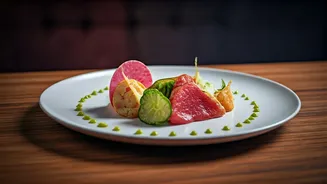
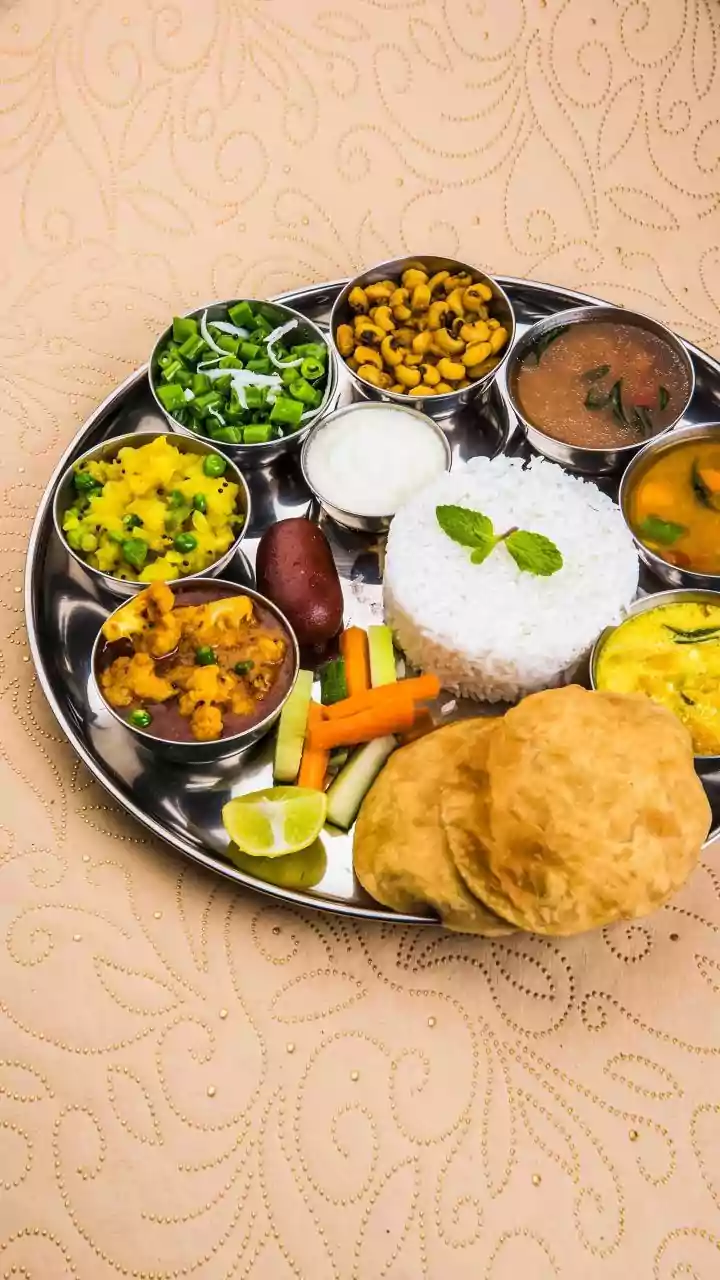
Nowhere is this trend more apparent than in the rise of culinary tourism. Food is no longer just fuel or a pleasant part of a trip; for many, it is the trip. Travelers are booking flights to Oaxaca for the mole, to Tokyo for the ramen, or to New Orleans for the gumbo. But it goes beyond just eating at famous restaurants. The new formula involves booking a farm-to-table dinner, taking a cooking class with a local chef, touring a vineyard with the winemaker, or spending a morning navigating a bustling food market with a guide. This approach transforms eating from a passive act into an immersive cultural lesson. It connects travelers to the history, agriculture, and people of a destination in a way that few other activities can. Food becomes the narrative thread that ties the entire experience together.
Planning Trips Around Can't-Miss Moments
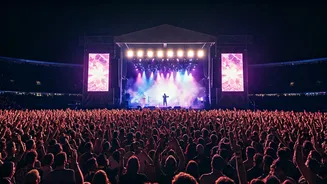
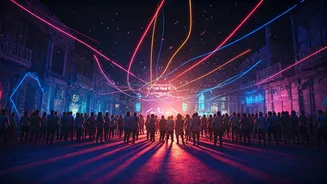
The second pillar of this new formula is event-based travel. Instead of picking a destination and then seeing what’s happening, travelers are reversing the process. They’re letting the event dictate the destination. The staggering economic impact of Taylor Swift’s Eras Tour is a perfect example, with fans traveling across states and even continents, building entire vacations around a single concert. But it’s not just pop superstars. Sports fans plan trips around the Super Bowl or the World Cup. Art lovers flock to the Venice Biennale or Art Basel. Culture vultures plan months in advance to attend Burning Man or the Albuquerque International Balloon Fiesta. These anchor events provide a powerful sense of purpose and shared community, turning a simple trip into a pilgrimage.
Culture That You Can Touch
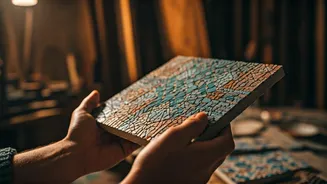
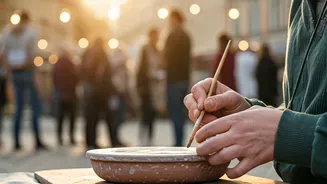
Finally, the definition of “culture” has expanded far beyond the hushed halls of a museum. While classic institutions still have their place, the new cultural traveler wants to get their hands dirty. They want to participate, not just observe. This means seeking out experiences like a pottery workshop in Santa Fe, a street art tour in Berlin led by a local artist, or a traditional dance lesson in Seville. It’s about finding the pulse of a city in its neighborhoods, not just its monuments. This hands-on approach offers a more profound sense of connection and understanding. You don’t just see the culture; you become a small part of it for a few hours, creating a memory that feels earned and personal.