



The Poster Child: Nashville Hot Chicken
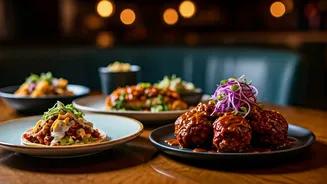
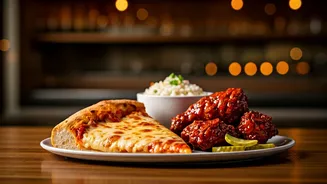
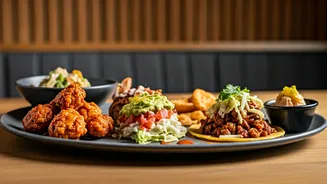
If there’s one dish that perfectly illustrates this trend, it’s Nashville hot chicken. For decades, it was a Music City specialty, a fiery, cayenne-crusted legend with a story steeped in local lore. You had to go to Nashville, stand in line at Prince's
or Hattie B's, and earn your stripes. But in the last decade, it exploded. Suddenly, hot chicken wasn’t just in Nashville; it was a flavor profile, an adjective, a menu category. Fast-food giants like KFC launched their own versions, while independent gastropubs from Portland, Maine, to Portland, Oregon, offered their chef-driven interpretations. The journey of hot chicken from a single city’s signature meal to a national phenomenon provides the blueprint for how regional foods are now conquering the American palate: a compelling story, a distinct flavor, and a highly photogenic quality.
The Instagram-to-Table Pipeline
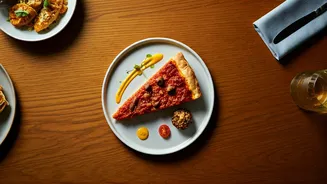
You can’t talk about food trends without talking about social media. The visual appeal of certain dishes has become a powerful driver of their popularity. Take the recent boom in birria tacos. These slow-braised beef tacos, originating from Jalisco, Mexico, and popularized in Los Angeles, became an internet sensation thanks to one key element: the consommé dip. Videos of tacos being dunked into the rich, red broth were perfectly crafted for Instagram Reels and TikTok. The cheese pulls, the glistening meat, the dunk—it was food as entertainment. Similarly, Detroit-style pizza, with its signature caramelized, cheesy crust (the “frico”), provides a visual and textural experience that begs to be photographed. Chefs and restaurateurs know this. A dish that looks good on a screen is a dish that gets people through the door, creating a feedback loop where social media hype can launch a regional specialty into the national consciousness almost overnight.
A Craving for Authenticity and Comfort
So why is this happening now? Part of the answer lies in a collective craving for authenticity. In a globalized world, diners are increasingly drawn to foods with a specific sense of place and a story to tell. A Lowcountry shrimp and grits dish on a menu in Chicago isn't just breakfast; it's a taste of Gullah Geechee heritage and coastal Southern history. Chefs are also driving this change. Many are moving away from the Euro-centric fine-dining models of the past and are instead exploring their own backgrounds and the culinary traditions of their upbringing. This turn toward the personal and the specific has unearthed a treasure trove of American regional cooking. The pandemic also accelerated our desire for comfort food, and what’s more comforting than a dish with deep roots and a satisfying, unpretentious character? A Philly cheesesteak, a Cincinnati chili, or a proper lobster roll offers a kind of nostalgic warmth that feels particularly welcome.
Redefining the American Menu
For years, “American food” was a vague concept, often meaning burgers, steaks, and a handful of pan-European dishes. The rise of regionalism is changing that. It suggests a new, more mature definition of our national cuisine—not as a single, homogenous “melting pot,” but as a vibrant mosaic of distinct culinary traditions. Having access to a Sonoran hot dog in New York or a New England clam bake in Arizona doesn’t dilute their regional identity; it celebrates it. This trend enriches the dining landscape for everyone, offering a delicious, ongoing education in the country’s vast and varied food culture. It proves that the most exciting developments in American cooking aren't always about inventing something new, but about rediscovering, respecting, and sharing the incredible food that’s been here all along.