


Beyond the Golden Triangle
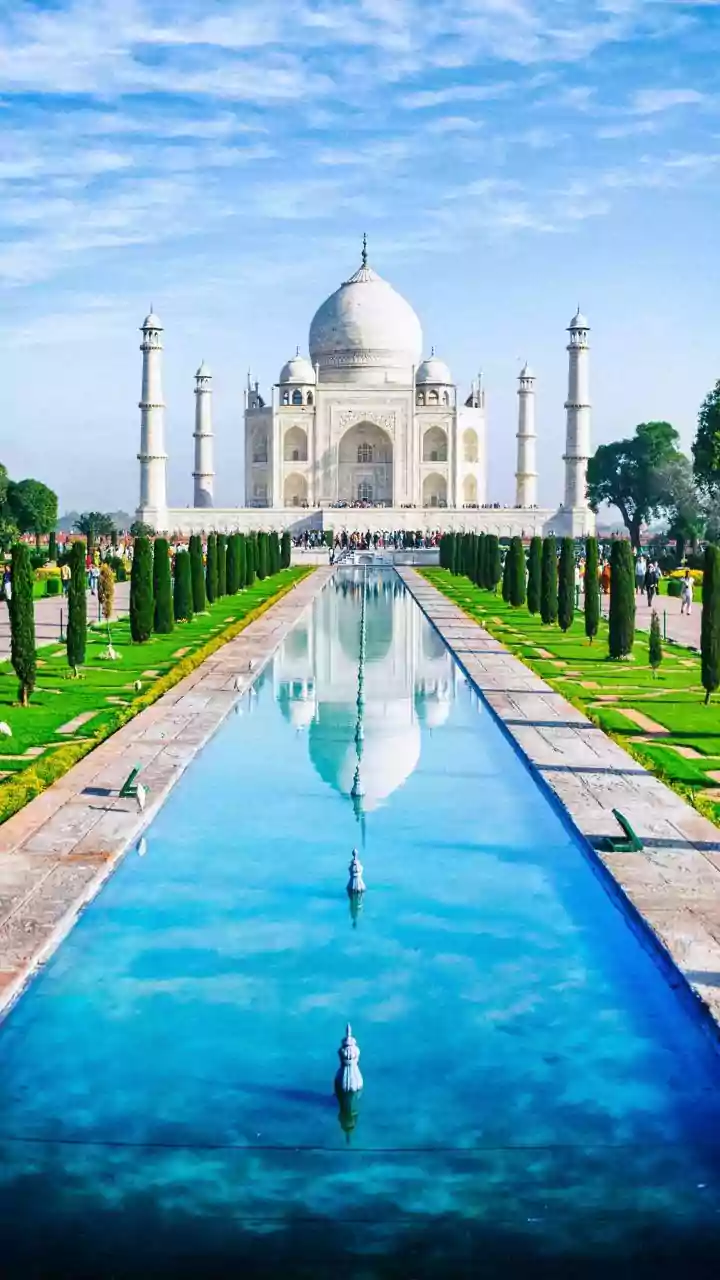
The classic Indian travel itinerary is a masterpiece of efficiency. In one whirlwind tour, you see the imperial grandeur of Delhi, the Mughal perfection of the Taj Mahal in Agra, and the regal forts of Jaipur. It’s a fantastic introduction, but it’s just
that—an introduction. It’s a curated, polished experience designed for mass tourism. But India is a continent-sized country of dizzying diversity, and the real magic often lies just beyond this well-worn loop. Increasingly, seasoned travelers and adventurous first-timers are seeking experiences that feel less like a checklist and more like an immersion. They’re trading predictable comforts for raw authenticity. This shift is putting the spotlight on places like Varanasi, a city as ancient as time itself, and Jorhat, a verdant gateway to the country's northeastern frontier. They represent two different kinds of escape: one into spiritual intensity, the other into tranquil nature.
Varanasi: The Spiritual Epicenter
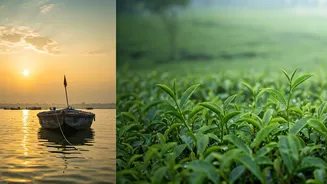
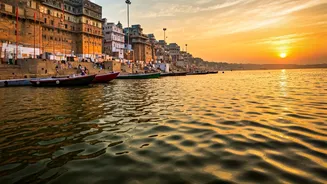
Varanasi isn’t new. In fact, it's one of the oldest continuously inhabited cities on Earth. But for decades, its raw, unapologetic intensity kept it on the B-list for many Western tourists. That is changing. Located on the banks of the sacred Ganges River in Uttar Pradesh, Varanasi is the spiritual heart of Hinduism. This is not a place you simply sightsee; it's a place you feel in your bones. The city’s lifeblood flows along the ghats—long stone stairways leading down to the river. Here, life and death are on public display. At dawn, pilgrims descend to bathe in the holy water, their prayers mingling with the morning mist. At dusk, the riverbank glitters with the spectacular Ganga Aarti ceremony, where priests perform a ritual of fire and faith before thousands of onlookers. In between, funeral pyres burn openly at Manikarnika Ghat, a stark and profound reminder of the cycle of reincarnation. Navigating its labyrinthine alleys, you’re met with a sensory explosion: the scent of marigolds and incense, the chime of temple bells, and the constant hum of a city utterly alive.
Jorhat: The Gateway to Green
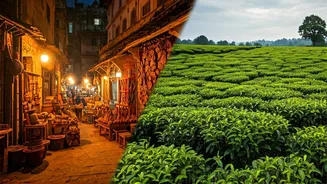
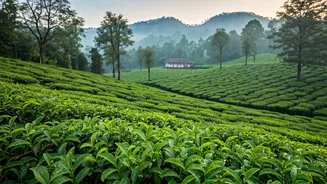
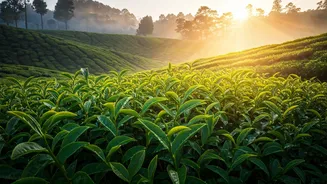
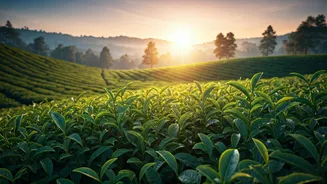
If Varanasi is an immersion in spiritual chaos, Jorhat is an escape into serene, rolling green. Located in the northeastern state of Assam, this city is a world away from the dusty plains of the Golden Triangle. Jorhat is the heart of India's tea country, a place where the landscape is dominated by meticulously manicured plantations that stretch to the horizon. It’s often called the 'Tea Capital of India,' and a visit here is incomplete without a tour of a colonial-era tea estate, where you can learn about the journey from leaf to cup and stay in a charming heritage bungalow. But Jorhat is more than just tea. It’s the primary launching point for a trip to Majuli, the world's largest river island, situated in the mighty Brahmaputra River. A slow ferry ride takes you to this incredible hub of Neo-Vaishnavite culture, where monks practice traditional dance and mask-making in quiet monasteries called 'satras.' It's a peaceful, pastoral world of bamboo stilt houses and migratory birds, offering a glimpse into a side of India that few tourists ever see. Jorhat represents an escape not just from other tourists, but into a different ecosystem and culture altogether.
Two Paths to an Authentic India
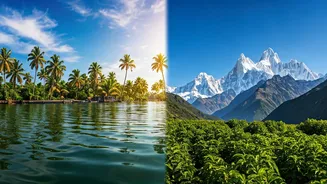
Varanasi and Jorhat couldn't be more different. One is an ancient, crowded, and profoundly spiritual metropolis defined by fire, faith, and the river. The other is a tranquil, green hub defined by nature, agriculture, and a quiet, artistic culture. Yet both serve the same purpose for the modern traveler: they offer a powerful dose of reality. Visiting Varanasi requires you to confront mortality and embrace sensory overload. It’s a challenging, transformative experience that bypasses the superficial. A trip to Jorhat and its surroundings requires a slower pace, an appreciation for nature, and a willingness to venture into a region still largely untouched by the global tourism machine. Choosing either isn’t about rejecting the beauty of the Taj Mahal; it's about adding a chapter to the story that feels more personal, more unfiltered, and ultimately, more memorable.