

The Great Un-Beigeing
For the better part of a decade, the aspirational home was a study in restraint. Influencers and design magazines championed a clean, almost sterile aesthetic defined by neutral color palettes, sparse furniture, and an absence of personal “clutter.” It
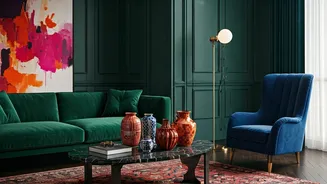
was the era of the sad beige house, a look that was easy to replicate but hard to live in. Now, the pendulum is swinging hard in the other direction. Homeowners and renters alike are rejecting the soulless void of minimalism and embracing a warmer, more eclectic style often dubbed “dopamine decor.” The goal is no longer to create a perfect, impersonal space, but one that actively brings you joy, tells your story, and feels authentically yours.
Meet the Modern Boho Corner
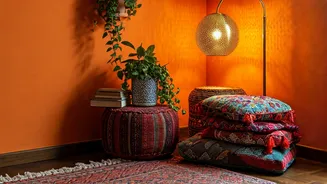
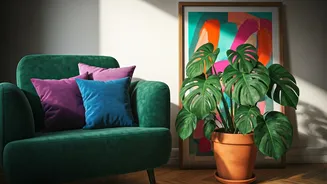
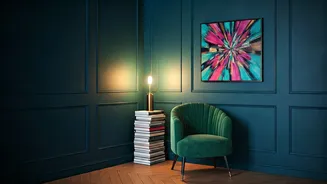
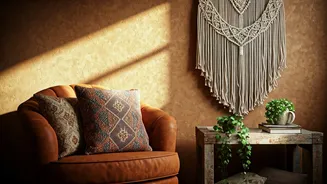
When you hear “boho,” you might picture the macrame-heavy, festival-inspired look that saturated Pinterest in 2015. The new boho corner is its more sophisticated, grown-up sibling. It isn't about throwing a tapestry on the wall and calling it a day. Instead, it’s a dedicated nook designed for decompression and quiet contemplation. Think of a comfortable, low-slung armchair (maybe velvet or bouclé), layered with plush pillows and a soft throw. It's surrounded by a cluster of houseplants at varying heights, illuminated by the warm glow of a floor lamp or salt lamp. The final layer is personal: a stack of your favorite books, a special candle, a single piece of meaningful art. It’s less about a specific aesthetic and more about creating a small, intentional sanctuary within your home—a designated spot to exhale.
The Travel Wall, Reimagined
Like its boho cousin, the travel wall has also evolved. The 2010s version was often a loud declaration of “wanderlust,” featuring generic world maps and stock photos of faraway places. The 2024 travel wall is far more personal and story-driven. It’s a curated collection of memories, not a checklist of destinations. Think of it as a physical scrapbook. Instead of a giant map, you might see a framed map of a single city that’s special to you. Instead of generic beach photos, you’ll find a mix of your own candid snapshots alongside framed ticket stubs, a vintage postcard from a flea market you visited, or a beautifully printed menu from a life-changing meal. The new travel wall tells a specific narrative. It’s less about showing off where you’ve been and more about surrounding yourself with tangible reminders of the experiences that have shaped you.
Why Now? The Psychology of Curated Clutter
This shift is more than just a fleeting trend; it’s a psychological response to the last few years. After being confined to our homes, we realized the importance of making them not just functional, but emotionally supportive. The starkness of minimalism began to feel cold and uninviting when our homes had to be our offices, gyms, and social hubs. We craved comfort, texture, and visual interest. These trends represent a move toward “cluttercore” or curated maximalism, the idea that being surrounded by meaningful objects can improve our mood and ground us in our own history. It’s about creating a nest filled with things that spark joy, provoke memories, and make a house truly feel like a home.
How to Get the Look (Without the Chaos)
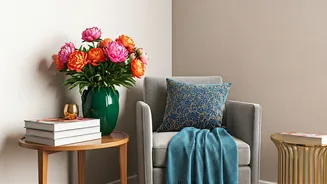
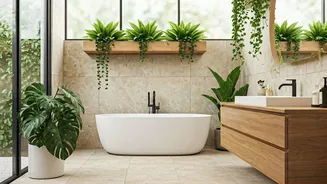
Ready to ditch the beige but scared of creating chaos? The key is curation. Start small with a single corner or a small section of a wall. Edit your treasures—you don't have to display every souvenir at once. Rotate items seasonally to keep the space feeling fresh. For a boho corner, focus on a mix of textures: wood, rattan, soft textiles, and living greenery. For a travel wall, choose a unifying element. This could be a consistent frame color (like simple black or natural wood), a limited color palette in the art itself, or a symmetrical layout to make the collection feel cohesive rather than haphazard. The goal is intentionality, not just accumulation.