


The Spiritual Adrenaline Rush
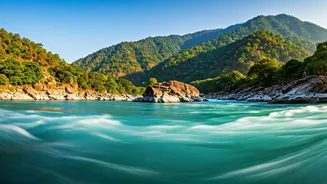
Long before bungee jumping and ziplining became staples of adventure tourism, there was Rishikesh rafting. In the foothills of the Himalayas, where the Ganges River—Ganga Mata, or Mother Ganges, to hundreds of millions—spills out onto the plains, an unlikely
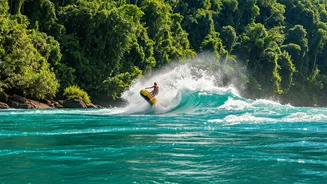
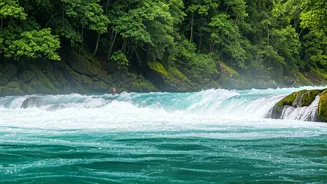
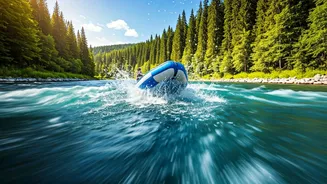
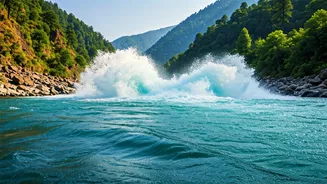
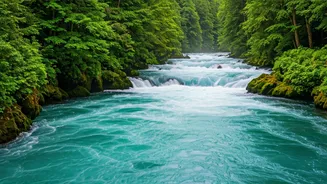
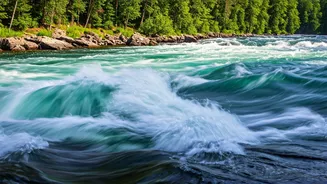
tradition was born. It’s a unique fusion of heart-pounding adventure and profound spirituality. One moment, you’re battling Class III and IV rapids with names like “The Wall” and “Roller Coaster.” The next, you’re floating silently through a serene green canyon, watching pilgrims perform rituals on the riverbanks and listening to the distant sound of temple bells. This jarring, beautiful contrast is the core of the Rishikesh experience. It’s not about conquering nature; it’s about being humbled by it, all while getting the adrenaline rush of a lifetime.
How Adventure Found the Holy City
Rishikesh has been a destination for sages and spiritual seekers for millennia. Its modern identity as the “Yoga Capital of the World” was cemented in the 1960s when The Beatles visited to study Transcendental Meditation. But its reputation as an adventure hub is more recent. Commercial rafting began here in the mid-1980s, started by army veterans and intrepid outdoorsmen who saw the potential in the river's powerful currents. At first, it was a niche pursuit. But by the 2000s, it had exploded. It became a rite of passage for a generation of young, urban Indians and a must-do for international backpackers. Rafting here isn’t a sanitized, theme-park experience. It’s a gritty, exhilarating, and deeply Indian adventure that became the blueprint for the country’s burgeoning outdoor sports scene. It’s the original “flex”—a story of bravery told over countless chai breaks back in Delhi or Mumbai.
More Than Just the Rapids
The “flex” of Rishikesh rafting isn’t just surviving the whitewater. It’s the entire ecosystem built around the 16- to 36-kilometer river runs. It’s the mandatory stop at a calm beach for “cliff jumping,” where you leap from a 20-foot rock into the bracingly cold water, cheered on by your boatmates. It’s the post-rafting ritual of slurping down hot Maggi noodles—India’s beloved instant ramen—prepared by a vendor on the river’s edge. It’s the camaraderie that forms in the raft, where strangers from different continents, speaking different languages, must paddle in perfect, frantic unison to navigate the rapids. As you float toward the take-out point, you pass under the iconic suspension bridges of Laxman Jhula and Ram Jhula, with ashrams and temples dotting the hillsides, reminding you that you’re in a place that is anything but ordinary.
The Coexistence of Chaos and Calm
What makes Rishikesh truly special is the seamless blend of seemingly contradictory worlds. The raucous energy of the rafting camps, with their bonfires and loud music, exists just upstream from the serene ghats where devotees gather for the evening Ganga Aarti, a mesmerizing fire ceremony. The streets are a chaotic symphony of scooters, wandering sadhus (holy men), foreign yoga students in loose-fitting pants, and rafting guides hauling their gear. You can start your morning with a quiet meditation session overlooking the river and end your afternoon screaming with delight as you’re tossed by a wave. This ability to hold both the sacred and the thrill-seeking in one hand is Rishikesh’s ultimate power. It’s a place that doesn’t ask you to choose between finding yourself and losing yourself in a moment of pure, unadulterated fun.