







What Exactly Is Food Synergy?
Food synergy is the simple but profound idea that nutrients in certain foods work together to provide a greater health benefit than when consumed individually. Think of it like a basketball team: one star player is great, but a team of five players whose
skills complement each other will always be more effective. In nutrition, this means that one compound in a food can enhance the absorption, bioavailability, or overall effect of another. This interaction turns a simple meal into a nutritional powerhouse without requiring exotic ingredients or complicated recipes. It’s about being smarter with the foods you already eat, making basic combinations that unlock a higher level of wellness.
The Classic Pair: Tomatoes & Olive Oil
This Mediterranean staple is a perfect example of food synergy. Tomatoes are rich in lycopene, a powerful antioxidant linked to reduced risk of certain cancers and heart disease. However, lycopene is fat-soluble, which means your body needs fat to absorb it effectively. Enter olive oil. Drizzling a healthy fat like olive oil over fresh tomatoes or cooking them into a sauce significantly increases the amount of lycopene your body can use. The gentle cooking process also helps break down the tomato’s cell walls, releasing even more of the antioxidant. A simple Caprese salad, a piece of bruschetta, or a basic pasta sauce isn't just delicious—it’s a masterclass in nutritional teamwork.
The Power Duo: Turmeric & Black Pepper
Turmeric has become a wellness superstar, primarily for its active compound, curcumin, which has potent anti-inflammatory properties. The problem? Curcumin is notoriously difficult for the body to absorb on its own. That’s where black pepper comes in. Pepper contains piperine, a compound that has been shown to increase the bioavailability of curcumin by up to 2,000%. This dramatic boost allows your body to actually reap the anti-inflammatory benefits of the turmeric you consume. Adding a pinch of black pepper to your turmeric-spiced curries, soups, roasted vegetables, or even a golden milk latte is a tiny step that makes a massive difference in efficacy.
The Iron Boost: Beans & Bell Peppers
If you follow a plant-based diet or simply want to get more iron, this combination is for you. Plant-based foods like beans, lentils, and spinach contain non-heme iron, which is less readily absorbed by the body than the heme iron found in animal products. However, Vitamin C is a powerful enhancer of non-heme iron absorption. It transforms the iron into a form that your body can more easily take in. Pairing iron-rich beans with Vitamin C-packed foods like bell peppers, broccoli, citrus fruits, or tomatoes can significantly increase your iron uptake. Think of a black bean salad with diced red peppers and a lime dressing, or lentil soup finished with a squeeze of lemon juice.
The Bone Builders: Salmon & Leafy Greens
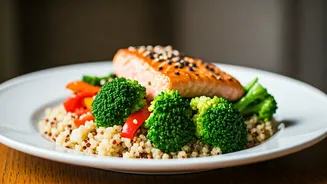
We all know calcium is crucial for strong bones, but it needs a partner to do its job properly: Vitamin D. Vitamin D functions like a key, unlocking your body’s ability to absorb calcium from your digestive tract. Without enough Vitamin D, the calcium you eat may not be put to good use. Fatty fish like salmon are one of the best natural sources of Vitamin D, while leafy greens like spinach, kale, and collard greens are packed with calcium. Serving a fillet of grilled salmon over a bed of sautéed kale or a spinach salad creates a synergistic meal designed to support bone health.