




From Kibble to 'Clean' Cuisine
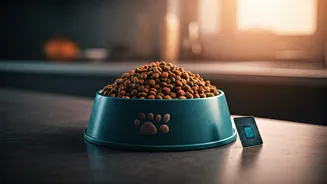
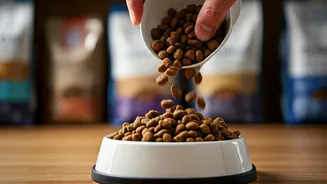
For decades, the standard for feeding a dog or cat was simple: a scoop of dry, pellet-like kibble. It was convenient, affordable, and formulated to be nutritionally complete. But a quiet revolution has taken over the pet food aisle. Today, a new baseline
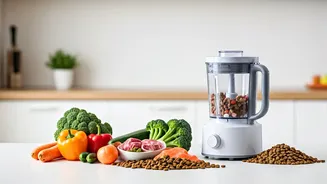
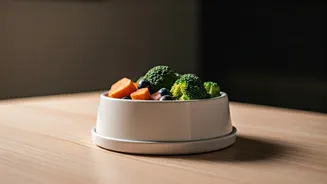
is emerging, driven by the same principles that guide health-conscious humans. Refrigerators in pet stores are now stocked with fresh, pre-portioned meals featuring recognizable ingredients like ground turkey, carrots, and kale. Freezers hold raw-food patties. And shelves are lined with bags boasting terms like “human-grade,” “ancestral diet,” and “gently cooked.” These products position themselves not as treats or occasional splurges, but as the new standard for a healthy life. Companies like The Farmer’s Dog and Nom Nom deliver subscription boxes of fresh food directly to consumers’ doors, complete with personalized feeding plans based on a pet’s age, weight, and activity level. This shift recasts traditional kibble not as a practical staple, but as the pet equivalent of processed, packaged food—a choice you make when you can’t provide the “real” thing.
The Humanization of the Pet Aisle
This transformation isn’t just about better ingredients; it’s a direct result of the “humanization” of pets. As more Americans, particularly Millennials and Gen Z, delay life milestones like marriage and parenthood, pets have firmly stepped into the role of cherished family members. We don’t just own them; we are “pet parents.” And just as a parent frets over their child’s diet, today’s pet owners are applying their own nutritional philosophies to their four-legged companions. If you believe in clean eating and avoiding preservatives, it feels hypocritical to feed your dog a brown pellet full of ingredients you can’t pronounce. If you’re focused on gut health for yourself, the idea of pet-specific probiotics suddenly seems logical. Wellness influencers now seamlessly integrate their pets into their content, showcasing organic dog treats alongside their own plant-based meals. This cultural shift provides fertile ground for a premium pet food market, which now thrives on the idea that investing in your pet’s nutrition is a direct expression of love and responsible care.
Beyond the Bowl: Supplements and Superfoods
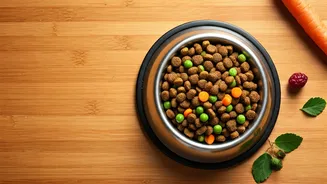
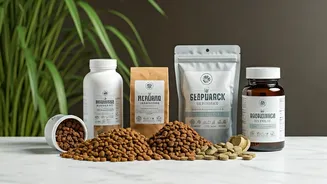
The wellness mimicry extends far beyond the main course. The supplement industry for pets is booming, mirroring its human counterpart almost exactly. Where humans take glucosamine for joint pain, dogs are given chews with green-lipped mussel. Where we take probiotics for digestion, there are canine-specific powders to promote a healthy gut microbiome. CBD oils for anxiety, omega-3s for a shiny coat, and mushroom blends for immune support are no longer niche products found only in specialty stores. This trend is fueled by a desire to be proactive about our pets’ health, addressing potential issues before they become serious problems. Superfoods are another key crossover. Ingredients like blueberries (for antioxidants), turmeric (for inflammation), and chia seeds (for fiber) are now proudly highlighted on pet food labels. While many of these ingredients do have proven benefits, their inclusion also serves as a powerful marketing signal, assuring owners that they are providing a diet that is as nutrient-dense and thoughtfully constructed as their own.
A Vet's-Eye View: Promise vs. Reality
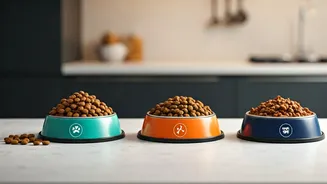
While the move toward higher-quality ingredients is widely seen as positive, veterinary professionals urge a balanced perspective. The marketing for many boutique brands can sometimes outpace the science. Terms like “human-grade” are appealing, but they aren’t a regulated guarantee of nutritional superiority. The most important factor, according to veterinarians and veterinary nutritionists, is whether a food provides complete and balanced nutrition that meets the standards set by the Association of American Feed Control Officials (AAFCO). Many premium kibbles are meticulously formulated and tested to meet these standards, while some fresh or raw diets may not be. Vets caution that homemade or improperly balanced fresh diets can lead to serious nutritional deficiencies. The key isn't necessarily fresh vs. dry, but whether the specific diet is appropriate and complete for your individual pet's needs. The explosion of wellness products creates a paradox of choice, making professional guidance more critical than ever. Before making a significant dietary change or adding a host of supplements, the best first step is a conversation with a trusted veterinarian who can separate the marketing hype from the tangible health benefits.