


First, What Is Rasam?
Before we get to the mango, let’s talk about rasam. If you’re not familiar, think of it as South India’s answer to chicken soup—a soulful, restorative, and profoundly flavorful broth that’s a staple in millions of homes. Unlike thick, creamy dals, rasam is
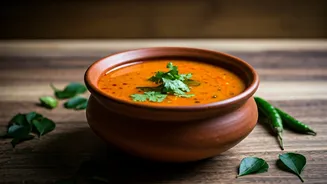
thin, peppery, and tangy. At its heart, it’s a tamarind-and-tomato-based liquid, supercharged with a specific blend of spices known as rasam podi (or powder). It’s often made with a bit of cooked dal for body, but its defining characteristic is its light, sippable consistency. Rasam is the ultimate comfort food: it can be slurped from a cup to soothe a cold, poured over rice for a simple meal, or served as a digestive course in a larger feast. It’s versatile, foundational, and deeply woven into the fabric of daily life in states like Tamil Nadu, Andhra Pradesh, and Karnataka.
Enter the Summer Superstar: Mango
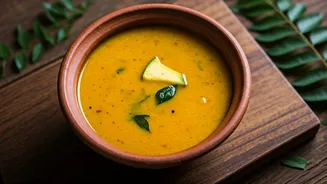
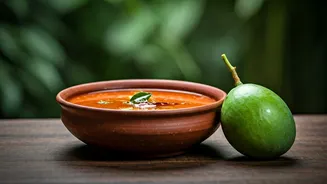
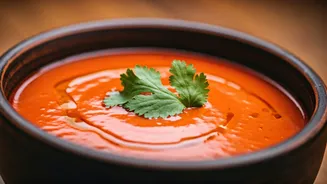
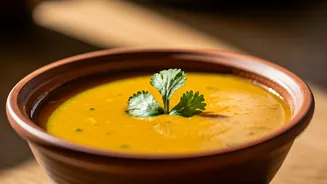
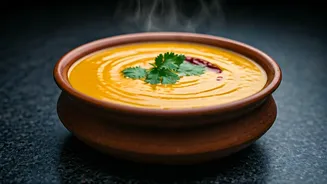
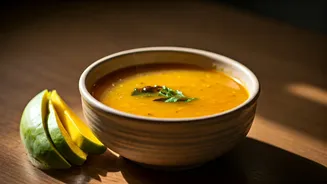
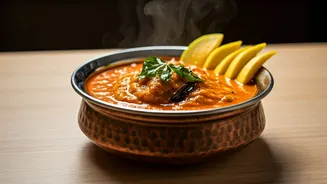
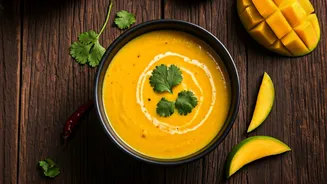
Now, imagine that classic, peppery-sour broth gets a seasonal upgrade from the undisputed king of summer fruit. That’s mango rasam. This isn’t a modern fusion invention; it's a beloved traditional variation that appears in kitchens as soon as the first mangoes of the season do. There are two main paths you can take, depending on the mangoes you have. Using ripe, sweet mangoes (called Mambazha Rasam in Tamil) creates a spectacular sweet-and-sour symphony. The pulp dissolves into the broth, lending it a golden hue and a lush, fruity sweetness that plays beautifully against the tamarind's tang and the black pepper's heat. Alternatively, using firm, raw green mangoes (Mamidikaya Rasam in Telugu) leans into the sour notes. The tart mango replaces some or all of the tamarind, creating a bright, zesty, and intensely refreshing version that can cut through the heaviest summer humidity.
A Flavor Profile You Can't Forget
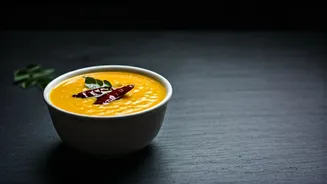
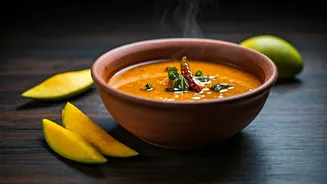
Trying mango rasam for the first time is a culinary revelation. It hits every single note. You first get the heady aroma of cooked spices and garlic. Then comes the taste: a wave of sweetness from the mango, immediately followed by the sharp, clean sourness of tamarind, and then a slow-building, warming heat from black pepper and chiles that lingers pleasantly at the back of your throat. It’s a complex, layered experience that feels both exciting and deeply comforting. Floating in the broth are mustard seeds, curry leaves, and dried red chiles, which are sizzled in ghee or oil in a final step called the *tadka* or tempering. This technique unlocks the spices’ essential oils, blooming their fragrance and infusing the entire dish with a final, irresistible layer of flavor.
How to Bring It to Your Table
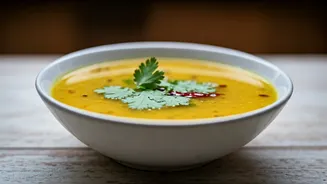
While recipes abound online, you don't need to be an expert to make a great mango rasam. Think of it as a blueprint. You'll start by making a thin broth, typically by simmering tamarind paste, ripe mango pulp (or chopped raw mango), turmeric, and rasam powder in water. Rasam powder is key, and while you can make your own, a good store-bought version from an Indian grocery store is a fantastic shortcut. While the broth simmers, you’ll prepare the tadka. This is non-negotiable for authentic flavor. Heat ghee or a neutral oil, pop some mustard seeds, and then quickly fry some cumin seeds, dried red chiles, a pinch of asafoetida (a pungent spice that adds an oniony-garlicky note), and fresh curry leaves. Pour this sizzling, aromatic mixture directly into the simmering rasam. Garnish with fresh cilantro, and it’s ready.
More Than Just a Soup
In the U.S., we tend to think of soup as a starter or a standalone meal. Rasam defies these neat categories. The most traditional way to enjoy it is ladled over a mound of hot steamed rice, often mixed with your fingers into a soupy consistency that’s incredibly satisfying to eat. You can also serve it as an appetizer in small glasses or mugs—a perfect, unexpected way to kick off a summer barbecue. Or, do as many South Indians do and drink a small cup of it after a heavy meal; its blend of spices is believed to be a powerful digestive aid. It’s a soup, a sauce, and a wellness tonic all in one.