

Selling a Feeling, Not Just Food
In the hyper-competitive grocery aisle, taste and price are no longer enough. The new frontier for major food brands is emotional real estate. This strategy, often called 'nostalgia marketing,' is built on a simple premise: if a brand can associate its
product with a warm, positive memory—like childhood breakfasts, family holidays, or after-school treats—it can forge a bond that transcends logic. You're not just buying a cookie; you're buying a flicker of the feeling you had when your grandma gave you one after you scraped your knee. This emotional connection is far more durable than a 50-cent discount. It turns a simple purchase into an act of comfort and identity, making customers fiercely loyal in a way that a standard ad campaign rarely can.
The Science of Comfort Cravings
This isn't just sentimental fluff; it’s rooted in psychology. Our brains are wired to link sensory input—smells, tastes, and textures—to emotional events. The scent of a specific brand of cinnamon roll might not just remind you of breakfast; it can trigger the emotional safety of a Saturday morning as a kid. This phenomenon, known as 'taste-aversion' in reverse, is a powerful tool. Marketers know that during times of stress, uncertainty, or major life changes, humans gravitate toward the familiar and predictable. The world may feel chaotic, but that can of Campbell's soup or box of Kraft Macaroni & Cheese tastes exactly as you remember. It offers a small, edible anchor in a turbulent sea, providing a dose of dopamine-fueled comfort that has little to do with nutritional value and everything to do with emotional stability.
The Nostalgia Playbook in Action
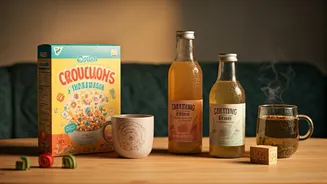
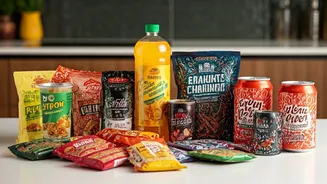
Once you start looking for it, you’ll see this strategy everywhere. Think of Oreo, a brand whose marketing for decades has focused less on the cookie itself and more on the 'Twist, Lick, Dunk' ritual, often shown being passed from one generation to the next. It’s not an ad about a chocolate sandwich cookie; it’s a mini-film about family bonding. We also see it in the constant stream of 'throwback' packaging. Brands like Pepsi, Doritos, and General Mills periodically release limited-edition versions of their products with 80s or 90s branding. This move isn't just for collectors. It's designed to catch the eye of a 40-year-old shopper, instantly transporting them back to their teen years and triggering an impulse buy fueled entirely by fond remembrance. By resurrecting old mascots, jingles, and logos, companies are essentially mining their own archives for emotional gold.
Your Memories, Their Marketing
The latest evolution of this trend has moved from broadcasting a shared memory to co-opting your personal ones. With the rise of social media, brands now actively encourage consumers to become part of the nostalgia machine. A company might launch a hashtag campaign asking users to share their favorite memory involving their product, effectively outsourcing the creation of emotional content. Your genuine photo of a family barbecue featuring a specific brand of soda becomes an authentic, user-generated ad that feels more trustworthy than anything a marketing agency could produce. The brand inserts itself directly into your personal history, blurring the line between your life and their product until the two are inextricably linked. It’s a subtle but powerful shift from selling you a story to making their product the hero of yours.