





The Soul of Southern India’s Wilderness
Nestled on the edge of Karnataka’s Nagarhole National Park, the Kabini region is defined by the serene backwaters of the Kabini River. This isn't a standalone park but a breathtakingly beautiful and ecologically vital corridor of the Nilgiri Biosphere
Reserve, one of the richest biodiversity hotspots in the world. For decades, this area, once the private hunting grounds of the Mysore maharajas, has cultivated a different approach to wildlife tourism. Unlike the crowded, high-traffic circuits in some other famous parks, Kabini has built its reputation on a foundation of tranquility and respect for the ecosystem. The experience is less about ticking a box and more about immersing yourself in the rhythms of the forest.
The “Low-Impact” Difference
The term “low-impact” isn’t just a marketing buzzword here; it’s a structured, government-led model that puts conservation first. Safaris into the core forest zone are operated exclusively by the state-run Jungle Lodges & Resorts (JLR). Private resorts, no matter how luxurious, must book their guests onto these JLR-managed safaris. This centralized system strictly limits the number of vehicles entering the park at any given time, preventing the traffic jams of jeeps that can plague other reserves. It also ensures that drivers and naturalists are trained to a consistent standard, prioritizing animal welfare over aggressive tracking. This model reduces stress on wildlife, minimizes soil erosion from vehicle tracks, and creates a more exclusive and peaceful experience for visitors.
A Safari by Land and Water
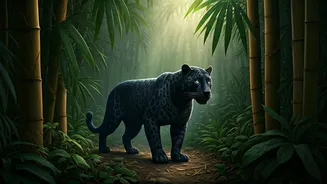
What truly sets Kabini apart is its dual safari experience. The traditional jeep safari takes you deep into the woodlands and grasslands, a landscape famous for its high density of leopards. Sightings of these elusive cats are more common here than almost anywhere else on the continent. But it’s the boat safari on the Kabini River that defines the region’s tranquil character. Gliding silently on the water at dawn or dusk, you witness a different side of the jungle. Herds of elephants wade and play at the water's edge, massive crocodiles bask on the banks, and a symphony of birdlife—from ospreys to crested serpent eagles—unfolds around you. This slower, quieter perspective allows for observation without intrusion, fostering a sense of being a guest in the animals’ world.
Beyond the Big Cats
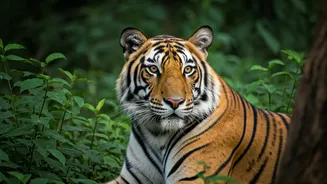
While Kabini is home to a healthy population of tigers, its magic lies in the sheer diversity of its fauna. It’s a place that teaches you to appreciate the entire ecosystem. It’s a haven for Asiatic wild dogs (dholes), seen hunting in formidable packs. It’s where you can spot a shy sloth bear ambling through the undergrowth or watch a massive gaur (Indian bison) graze peacefully. The supporting cast of spotted deer, sambar, and wild boar is ever-present, their presence a constant reminder of the forest's vitality. By shifting the focus from a single apex predator, a Kabini safari encourages a deeper appreciation for the interconnectedness of the jungle, making every sighting—big or small—feel like a privilege.
Planning Your Quiet Escape
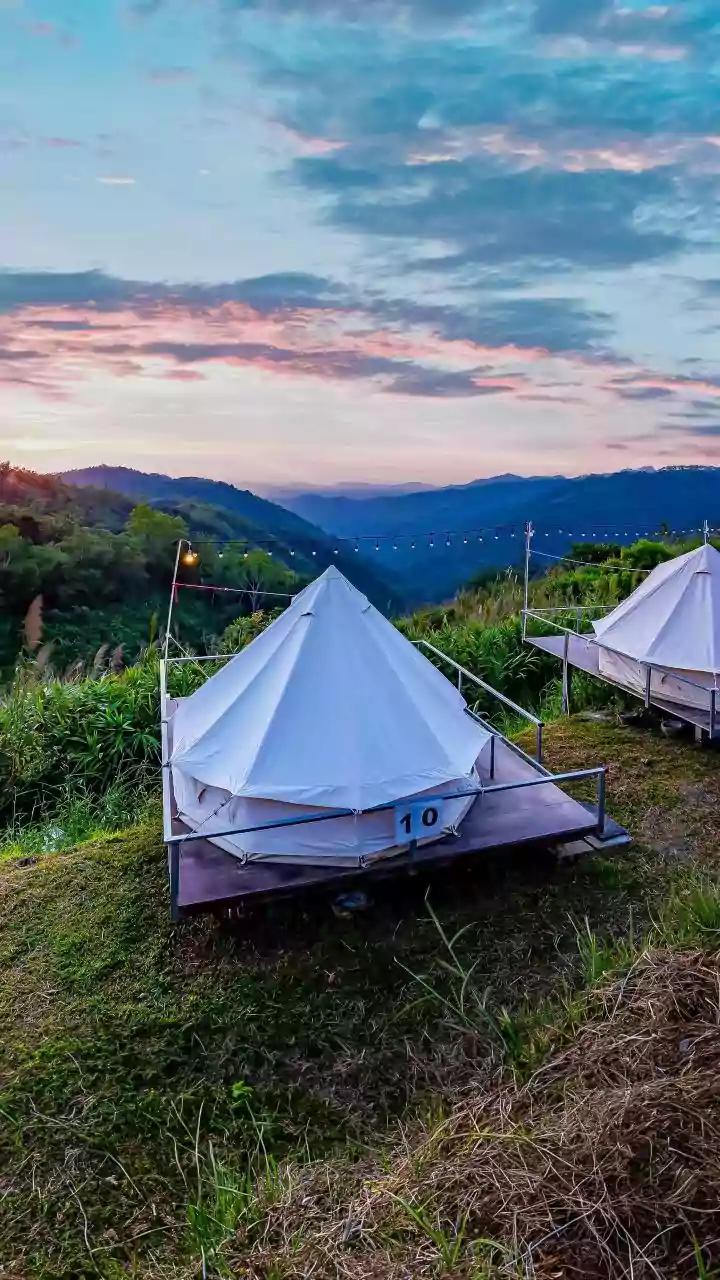
The best time to visit Kabini is during the dry season, from October to May, when water sources shrink and animals congregate more predictably near the river. The summer months (March to May) are hottest but offer the absolute best chances for wildlife sightings as the foliage thins. Accommodations range from the state-run, charmingly rustic JLR properties to ultra-luxe private lodges like Evolve Back and The Serai, which offer world-class amenities while still adhering to the region's low-impact ethos. Regardless of where you stay, the core experience remains the same: a chance to disconnect from the noise and reconnect with a wild, beautifully preserved corner of the planet.