





The New Kitchen-Table Conversation
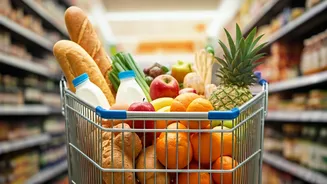
Not long ago, the price of eggs or the cost of a gallon of milk was conversational filler, a casual complaint shared between neighbors. Today, it’s the headline. For the past few years, Americans have weathered a relentless storm of food price inflation
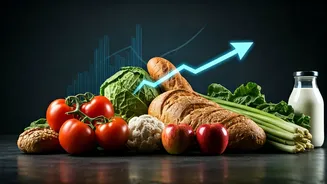
that has fundamentally altered household budgets. According to the Bureau of Labor Statistics, the price index for food at home has seen some of its steepest climbs in decades, outpacing overall inflation at times. This isn’t just a statistic; it’s a tangible, daily pressure felt by millions every time they walk into a supermarket. The collective anxiety has created a powerful, unified demand for answers. People don't just want to know that prices are up; they want to know *why*, by how much, and what on earth they can do about it.
From Niche Hobby to Essential Service
Content about budget shopping and grocery hauls has always existed, but it often lived in niche corners of the internet, populated by couponing experts and homesteading enthusiasts. What’s changed is the audience. The persistent squeeze on wallets has turned casual shoppers into amateur economists. Suddenly, understanding the supply chain issues affecting lettuce or the impact of avian flu on egg prices isn’t just for financial news junkies—it’s essential knowledge for anyone trying to plan their family's meals for the week. Media organizations and independent creators have recognized this seismic shift. The food-price explainer has been elevated from a niche hobby to a prime-time form of service journalism, meeting a desperate and widespread need for clarity and control in an uncertain economic environment.
Anatomy of a Perfect Explainer
What makes this new wave of content so “useful”? It’s a masterclass in direct-to-consumer value. The best explainers don't just state the obvious (“groceries are expensive”). They empower the audience. They do this by combining three key elements: specific data, actionable advice, and a sense of communal experience. A great explainer will show you a graph of beef prices, but it will also tell you that ground turkey is a more stable alternative right now. It will break down why your coffee is more expensive (global weather patterns, shipping costs) and then offer tips on making better coffee at home. On TikTok and YouTube, creators film themselves in the grocery aisle, pointing out price hikes in real-time and sharing strategies on the fly. This content validates the consumer's frustration while providing practical tools to fight back, turning anxiety into agency.
The Creator Economy Meets Economic Reality
This trend also reveals a fascinating intersection of the creator economy and macroeconomic reality. It’s not just major news outlets with data teams producing these pieces. In fact, some of the most effective and trusted explainers come from independent creators who have built an audience by being relatable and transparent. The TikToker comparing Costco prices week-over-week, the Instagram influencer sharing a “$50 for five days” meal plan, or the YouTuber breaking down the financials of a fast-food chain’s price increases are all part of this ecosystem. For them, it’s a content strategy that’s both authentic and algorithm-friendly. For news organizations, it’s a way to prove their direct relevance to readers’ lives beyond the political horse race. Both are tapping into the same truth: in times of economic stress, utility is the ultimate currency.