



Beyond Parathas and Poha
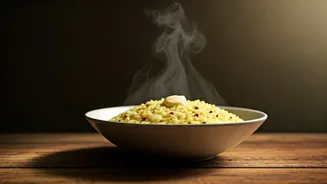
For generations, the Indian breakfast has been a celebration of complex flavors and regional diversity, but it has also been overwhelmingly carb-centric. In the north, fluffy parathas (stuffed flatbreads) served with yogurt and pickles are a staple. In the south,
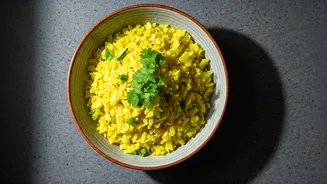
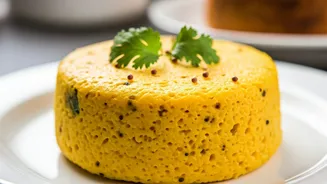
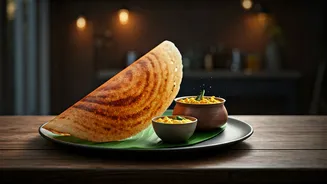
you'll find pillowy idlis (steamed rice cakes) and crispy dosas (fermented rice crepes), both served with coconut chutney and sambar, a lentil-based stew. In the west, poha (flattened rice) seasoned with turmeric and onions is a go-to. While delicious and deeply ingrained in the culture, these meals often deliver a quick burst of energy that can lead to a mid-morning slump, a feeling familiar to anyone who’s started their day with a bagel or a sugary cereal. This traditional carb-first approach is now being re-evaluated by a growing segment of the population.
The New Protein Plate
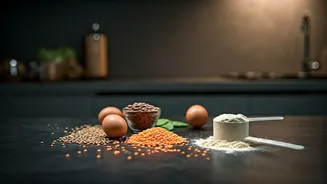
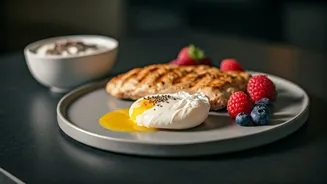
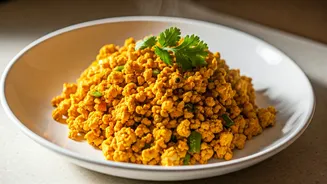
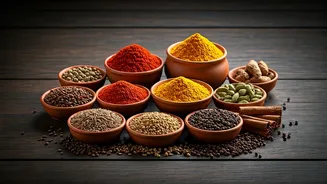
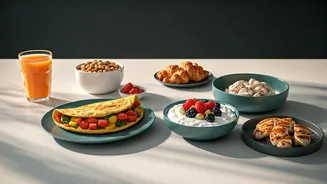
The new Indian breakfast isn't about abandoning flavor; it's about rebalancing the macronutrients. Urban professionals, fitness enthusiasts, and health-conscious families are leading the charge. Paneer (a firm, non-melting cheese) is a star player, appearing in savory scrambles called paneer bhurji, packed with spices and vegetables. Eggs, once less common on the breakfast plate in many households, are now ubiquitous—scrambled with Indian spices, in omelets, or hard-boiled. Traditional dishes are also getting a protein-forward makeover. The classic dosa is being reimagined using moong dal (mung bean) or besan (chickpea flour) batters instead of rice, significantly upping the protein content. These besan cheelas, or savory chickpea pancakes, are now a breakfast staple, often filled with grated vegetables or paneer. Even protein powders, a fixture in American gyms, are finding their way into Indian smoothies and shakes, often blended with local fruits like mango and banana.
A Cultural and Wellness Shift
So, what’s driving this change? It’s a convergence of factors. First, India’s rapidly growing middle class has more disposable income and greater exposure to global wellness trends through social media and travel. The Western emphasis on protein for satiety, muscle building, and weight management has found a receptive audience. Second, there's a heightened awareness of lifestyle-related health issues, particularly diabetes, which is prevalent in India. Nutritionists and doctors are increasingly advising patients to manage their carbohydrate intake, starting with the first meal of the day. This health consciousness, amplified by the wellness boom following the COVID-19 pandemic, has made people more critical of what they eat. The gym and fitness culture is no longer a niche hobby; it’s a mainstream lifestyle for many young, urban Indians, and their dietary habits are changing to match their active routines.
What It Means for Your Kitchen
For the American foodie, this trend is more than just a distant cultural shift—it’s a source of delicious inspiration. It’s a reminder that a savory, high-protein breakfast doesn't have to revolve around meat and eggs. Many of the core ingredients of India’s protein-powered breakfast are vegetarian, accessible, and easy to cook with. Chickpea flour for making cheelas is available at most grocery stores, as is paneer. A simple paneer scramble with turmeric, cumin, onions, and tomatoes offers a flavorful, satisfying alternative to scrambled eggs. Experimenting with a moong dal dosa can introduce a new texture and nutrient profile to your morning crepe. This trend provides a playbook for anyone looking to diversify their breakfast routine, cut down on morning carbs, or simply explore the vibrant, evolving world of modern Indian cuisine.