





The Modern Shag: Effortless Rebellion
If one haircut could capture the spirit of effortless cool, it’s the shag. Born in the counter-culture of the 1970s and famously worn by icons like Joan Jett and Jane Fonda, the original shag was a rebellious statement against polished, perfect hair.
It was choppy, layered, and unapologetically wild. Today’s version, the “modern shag,” keeps that free spirit but refines it for the 21st century. It’s less about a specific cut and more about an attitude. Stylists now tailor the layers to work with a person’s natural hair texture, whether it’s wavy, curly, or straight. The result is a built-in style that looks just as good air-dried on a Monday morning as it does professionally blown out. Its endurance comes from this versatility. It’s a cut that says, “I have great hair, and I didn’t even have to try that hard.” In an era obsessed with authenticity and low-maintenance routines, the shag isn’t just a haircut; it’s a lifestyle choice.
Curtain Bangs: The Face-Framing Classic
Few trends have had a chokehold on the culture quite like curtain bangs. While they seem to be a recent TikTok phenomenon, their roots go back to 1960s France and the iconic Brigitte Bardot. Her soft, center-parted fringe framed her face in a way that was both glamorous and approachable. The style resurfaced in the '90s and has now returned with a vengeance. Why the lasting appeal? It’s the ultimate non-committal bang. Unlike blunt, severe fringes that require constant upkeep and a brave heart to cut, curtain bangs are forgiving. They are typically longer, wispy, and can be easily blended into the rest of your hair, pinned back, or grown out without an awkward phase. They soften features, highlight cheekbones, and add a touch of romance to almost any hairstyle, from a high ponytail to long, flowing waves. Their popularity is a testament to their flattering power and chameleon-like ability to adapt to different face shapes and styles, making them a true democratic classic, not just a passing fad.
Cowgirl Copper: A Warmer Statement Color
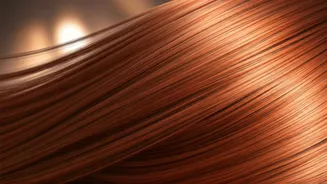
For years, the hair color conversation was dominated by shades of blonde and brunette—icy platinum, sun-kissed balayage, rich espresso. But a warmer, earthier tone has galloped into the spotlight: copper. Dubbed everything from “cowgirl copper” to “apricot red,” these vibrant, dimensional shades are more than just a color of the month. They represent a shift toward warm, rich tones that feel both bold and natural. Unlike the high-contrast dyes of the past, modern copper shades are formulated with a blend of gold, red, and sometimes brown undertones, creating a look that’s luminous rather than loud. This trend’s staying power is tied to its surprising wearability. It warms up complexions and makes eye colors pop in a way that cooler tones often can’t. Advances in hair color technology also mean that achieving and maintaining a vibrant red is no longer the high-commitment, fast-fading ordeal it once was. It’s a statement, but a sophisticated one—a way to stand out while still looking grounded and chic.
The Bixie: A Fusion of '90s Icons
What do you get when you merge the chic length of a bob with the textured layers of a pixie? The “bixie.” This hybrid cut is a direct descendant of '90s hair royalty, evoking the iconic looks of stars like Winona Ryder, Meg Ryan, and Gwyneth Paltrow. It’s short, but not too short, striking a perfect balance between playful and polished. The bixie’s magic lies in its structure. It has the volume and shape of a bob at the front and around the face, but the back and sides are shorter and more textured, like a pixie. This removes the bulk that can make traditional bobs feel heavy, resulting in a lighter, more versatile cut with tons of movement. Its resurgence speaks to a collective nostalgia for '90s minimalism and androgynous cool. More importantly, it’s incredibly practical. The bixie offers the ease of short hair without sacrificing styling options, proving that the best trends are often clever solutions to our everyday style dilemmas.