


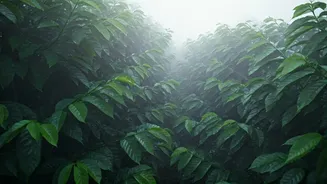


The Scotland of India
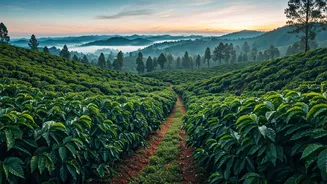
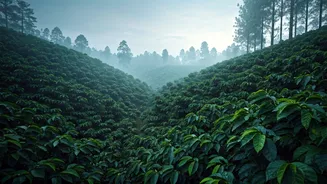
Tucked away in the rolling Western Ghats mountain range in the state of Karnataka, Coorg—or Kodagu, its official name—is a land of breathtaking landscapes. It’s often dubbed the “Scotland of India” for its verdant hills, cool climate, and persistent morning
mist that drapes the scenery in a soft, ethereal light. But unlike the Scottish Highlands, this region’s identity is defined not by lochs and glens, but by a fragrant, world-famous crop. The winding roads here don’t lead to ancient castles, but to sprawling plantations that seem to stretch into the clouds. It’s a place where nature feels both immense and intimate, a sanctuary from the frantic pace of modern life.
A Kingdom Built on Coffee
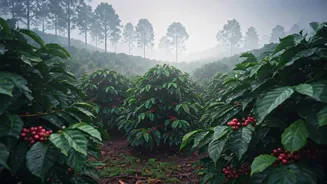
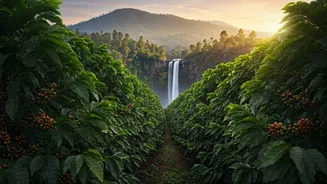
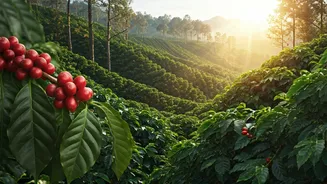
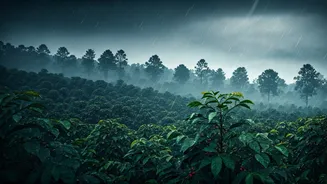
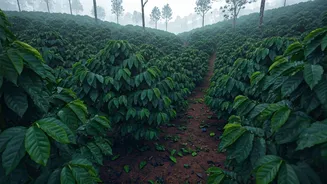
To understand Coorg is to understand coffee. The region is the largest coffee producer in India, blanketing over a third of its land with the glossy, dark-green leaves of coffee plants. While some delicate Arabica is grown at higher altitudes, the robust, earthy notes of Robusta beans dominate the local industry and perfume the air. The story of coffee here is woven into the region's history, established during the British Raj in the 19th century and now managed by generations of local families. Driving through Coorg, you’re constantly surrounded by it. Small, family-run estates and vast commercial plantations coexist, their operations visible from the roadside. During the harvest season, you’ll see workers carefully picking the bright red coffee cherries, a tradition that has sustained this community for centuries.
Embracing the Monsoon
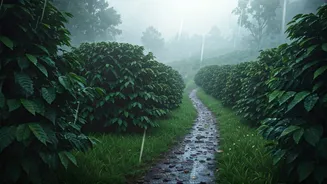
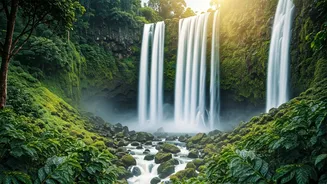
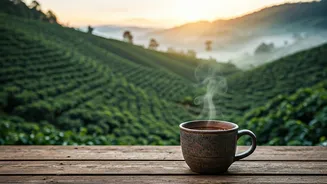
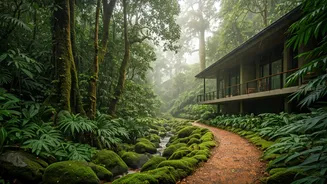
For many travel destinations, rain is a dealbreaker. In Coorg, it’s the main event. From June to September, the monsoon season transforms the landscape into an impossibly lush paradise. This is the “rain escape” at its most potent. The rains aren't a dreary, constant drizzle; they are dramatic, life-giving downpours that wash the world clean, leaving everything glistening and vibrant. Waterfalls like the famous Abbey Falls, which are modest trickles in the dry season, become roaring torrents cascading into misty pools. The true magic lies in finding a cozy spot—perhaps a veranda at a plantation homestay—with a cup of freshly brewed local coffee, watching the clouds roll in over the hills and listening to the rhythmic drumming of the rain on the roof. It’s a meditative, deeply soothing experience that feels a world away from anywhere else.
The Culture of the Kodavas
Coorg is more than just a pretty place; it's home to the Kodavas, a proud and distinct indigenous community with a unique culture and martial heritage. Known for their hospitality, the Kodavas have their own language, traditional dress, and a cuisine that is as bold as their history. A trip here is incomplete without sampling the local food, which is heavily influenced by the landscape. Foraged greens, jungle mangoes, and a variety of spices find their way into dishes. The most famous, pandi curry, is a spicy and sour pork dish seasoned with Kachampuli, a local vinegar made from the Garcinia gummi-gutta fruit. It’s a flavor profile you won’t find anywhere else in India, offering a delicious counterpoint to the gentle aroma of the coffee plantations.
Finding Your Sanctuary
Experiencing Coorg is about immersion. While luxury resorts offer manicured comfort, the most authentic stays are often the family-run homestays nestled within coffee estates. Here, hosts welcome you into their lives, offering guided walks through their plantations, explaining the journey from bean to cup, and serving home-cooked Kodava meals. Days can be spent trekking to viewpoints like Raja’s Seat for panoramic sunsets (when the clouds permit), visiting the Dubare Elephant Camp to see gentle giants, or simply finding a quiet corner to read. It's not a destination for a packed itinerary of sightseeing, but rather a place to slow down, breathe deep, and reconnect with the natural world.