




From Sirens to Serenity
Life in an American city is a constant negotiation with noise. The day is a symphony of the unwanted: the distant wail of a siren that never seems to get closer or farther away, the percussive bass from a passing car, the murmur of a neighbor’s television
through a thin wall, and the unending hum of traffic that becomes the white noise we never asked for. Researchers have documented the physiological toll of this auditory overload, linking chronic noise exposure to increased stress, anxiety, and even cardiovascular problems. The city is a landscape of sensory assault, where true quiet is the ultimate, and rarest, of luxuries. This is the backdrop against which the “fireplace stay” has emerged not just as a vacation, but as a form of therapy. The trend of renting a cabin, a cottage, or a remote A-frame for a weekend is less about seeing a new place and more about hearing—or not hearing—an old one. It is a deliberate retreat from the cacophony. The journey is a pilgrimage from a place where you can’t hear yourself think to a place where thinking is all that’s left to do.
The Psychology of the Hearth
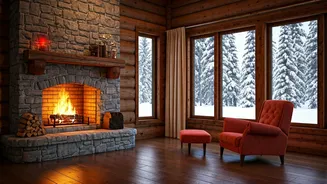
The appeal is primal. For millennia, the hearth has been the literal and figurative center of the home. It represents safety from the elements, a communal gathering point, and a source of light in the darkness. In our modern, centrally heated homes, the fireplace has become less a necessity and more a psychological anchor. Staring into a fire—a practice some have affectionately dubbed “caveman television”—is a meditative act. The unpredictable dance of the flames provides a focal point that is both engaging and calming, pulling our attention away from the glowing screens that dominate our lives. This explains why a gas fireplace, while convenient, often doesn’t cut it. The ritual is part of the appeal: the splitting of wood, the careful construction of kindling, the smoky smell that clings to a flannel shirt. These are tangible, analog tasks in a world that’s increasingly intangible and digital. It’s a manufactured-in-the-moment experience that feels more authentic and grounding than anything an app can offer.
A Backlash to 'Always On'
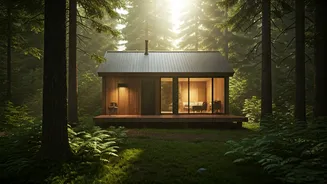
The rise of the fireplace stay runs parallel to the wellness movement’s evolution from gym memberships and green juices to concepts like “digital detoxing.” Companies like Getaway have built entire business models on placing tiny, minimalist cabins with giant picture windows (and, crucially, no Wi-Fi) just outside major metropolitan hubs. Similarly, a quick search on Airbnb or Vrbo reveals a powerful marketing language built around “seclusion,” “quiet,” and “unplugging.” These trips are a direct response to the burnout economy. When work follows us home via Slack and email, the only true escape is to go somewhere it can’t reach us. The fireplace becomes the centerpiece of this intentional disconnection. It’s a source of entertainment that doesn’t come with notifications. It encourages conversation, reading a book, or simply sitting in comfortable silence. It’s the ultimate single-tasking activity in a multi-tasking world, offering a respite for brains exhausted by the constant context-switching of modern life.
Finding Your Modern Sanctuary
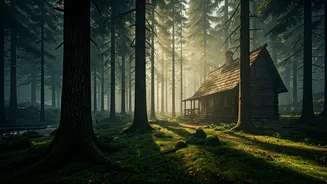
What defines the ideal fireplace stay is as much about what’s absent as what’s present. Of course, a functional, preferably wood-burning, fireplace is non-negotiable. But beyond that, the key ingredient is isolation. This doesn’t necessarily mean being miles from civilization, but rather feeling like you are. A well-designed retreat offers a sense of privacy, where the only views are of trees and the only sounds are those of nature—or the crackling fire you’ve built yourself. It’s a search for a space that allows the nervous system to downshift. The goal isn’t to fill the days with activities but to embrace the emptiness. The perfect fireplace stay offers the profound luxury of boredom, a state so foreign to the overstimulated urban mind that it feels, at first, like a revelation. It’s in that quiet space that restoration happens.