


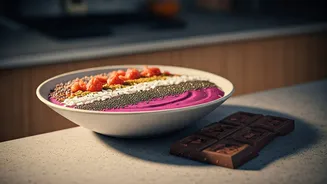


From 'Diet' to 'Optimization'
For decades, 'healthy' eating was defined by what it lacked: low fat, low sugar, zero calories. This was the language of diet culture, a framework of restriction and avoidance. But for Generation Z, born between the mid-1990s and early 2010s, that model
feels outdated and punishing. Their approach isn't about subtracting negatives; it's about adding positives. This generation views food and drink through a lens of holistic wellness and self-care. Instead of asking, 'How many calories does this have?', they're asking, 'What will this do for me?'. Will it calm my anxiety? Will it improve my gut health? Will it help me focus for my study session? This proactive stance transforms food from a source of potential guilt into a tool for personal optimization. It’s less about achieving a certain body type and more about managing stress, boosting immunity, and enhancing mental clarity in a demanding world.
The Functional Ingredient Boom
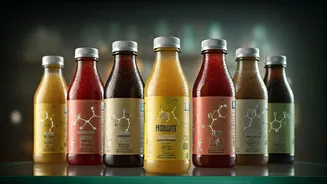
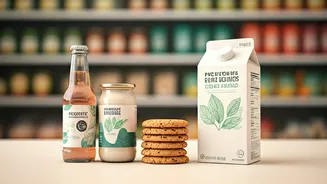
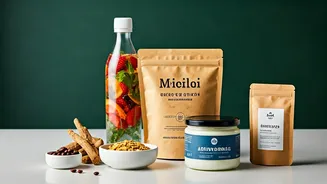
At the heart of this trend is the rise of 'functional' foods and beverages—products fortified with ingredients that provide a specific health benefit beyond basic nutrition. Where millennials learned to love kale, Gen Z is embracing a whole new vocabulary of wellness additives. Probiotics and prebiotics, once niche terms, are now marquee ingredients in gut-friendly sodas like Olipop and Poppi, which have exploded in popularity. Adaptogens—herbs and mushrooms believed to help the body resist stressors—are another key player. Ingredients like ashwagandha, lion's mane, and rhodiola are appearing in everything from canned coffees to sparkling waters, promising stress reduction and enhanced focus. Nootropics, compounds purported to boost cognitive function like L-theanine (found in green tea), are fueling a new wave of 'clean' energy drinks that offer a jitter-free lift. For Gen Z, these ingredients aren't strange additives; they're the entire point of the product.
Flavor and Aesthetics Are Non-Negotiable
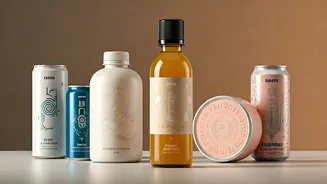
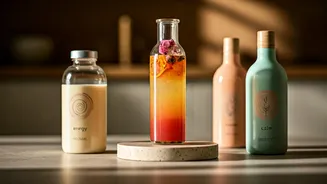
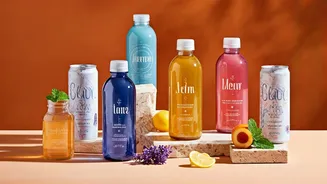
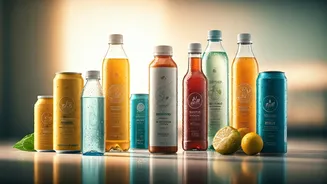
A laundry list of benefits won't work if the product tastes like medicine. Unlike the gritty protein bars and chalky meal-replacement shakes of the past, today’s functional products must lead with flavor. This is a generation raised on a global palate, and they expect sophisticated, exciting, and adventurous tastes. Bland cherry and generic lemon-lime are being pushed aside for nuanced profiles like blood orange, strawberry vanilla, and yuzu. Equally important is the aesthetic. In a world mediated by social media, a product has to be visually appealing. Brands are responding with vibrant, minimalist can designs and photogenic colors that are practically made for a TikTok 'what I eat in a day' video. The product’s value isn't just in its function or flavor, but in its ability to be part of a curated online identity. If it doesn't taste good and look good, it doesn't exist.
The TikTok-to-Shelf Pipeline
Legacy food and beverage giants have been caught flat-footed by the speed of this shift, largely because the trend's engine is social media. A new functional drink can go from a small startup to a viral sensation on TikTok in a matter of weeks, driving real-world demand that sends consumers scrambling to stores. This digital word-of-mouth creates a powerful feedback loop where online hype translates directly into sales velocity, forcing retailers like Target and Whole Foods to take notice. This new pipeline has democratized the market, allowing challenger brands with a strong story and an authentic connection to their audience to compete with multinational corporations. They speak Gen Z’s language because, in many cases, they were founded by them. They understand that transparency, authenticity, and a clear 'why' are just as important as the ingredients listed on the back of the can.