



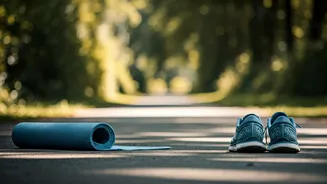
Beyond the Mat: What Is Walking Yoga?
Forget the static image of a silent room full of yoga mats. Walking yoga, an innovative practice gaining traction in urban Indian wellness circles, is exactly what it sounds like—and much more. It isn't simply taking a stroll and calling it zen. Instead,
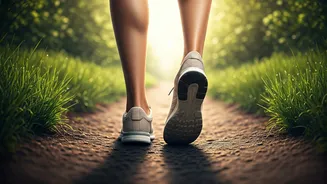
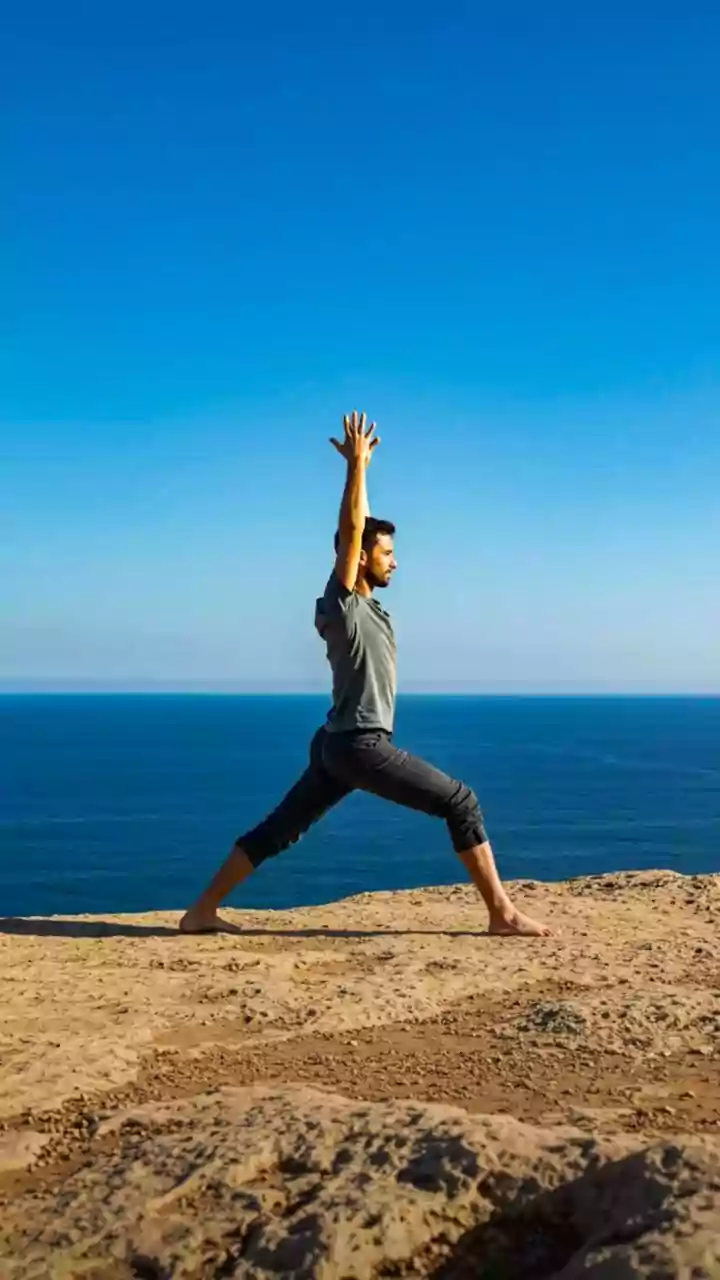
it’s a structured fusion of mindful movement, gentle yoga postures (asanas), controlled breathing (pranayama), and focused concentration (dharana), all performed while walking.Practitioners might move through a studio space or a park, synchronizing their steps with their breath in a specific rhythm. A session might involve pausing to hold a simple, standing pose like Tree Pose or Warrior I before resuming the meditative walk. The focus is less on achieving pretzel-like flexibility and more on creating a continuous flow of meditative awareness. It breaks the sedentary nature of traditional mat-based yoga, blending the cardiovascular benefits of walking with the holistic, mind-body connection that defines yoga itself.
An Ancient Practice, A Modern Twist
While the specific combination might seem novel, the elements of walking yoga are deeply rooted in ancient traditions. Meditative walking is a cornerstone of various contemplative practices, including Buddhism. What’s new is the conscious integration of this with formal yogic techniques within a class or studio setting. This innovation is a direct response to modern life, particularly in bustling Indian cities where wellness entrepreneurs are constantly seeking ways to adapt timeless wisdom for contemporary problems.For many, a traditional 90-minute yoga class can feel daunting, both in terms of time commitment and physical expectation. Walking yoga offers a more accessible entry point. It combats the effects of a sedentary desk job by keeping the body in gentle motion. It also addresses the desire for a practice that feels less rigid and more dynamic, transforming a simple walk around a park or even a large room into a profound wellness ritual.
The Mind-Body Benefits
The appeal of walking yoga lies in its multifaceted benefits. On a physical level, it provides a low-impact cardiovascular workout that improves circulation and heart health without the strain of high-intensity exercise. It enhances balance, coordination, and proprioception—your body’s sense of its position in space.Mentally, the benefits are even more pronounced. The rhythmic coordination of breath and movement has a powerful calming effect on the nervous system, helping to reduce stress and anxiety. By requiring constant focus on the physical act of walking and breathing, the practice acts as a powerful form of mindfulness, pulling the practitioner firmly into the present moment and away from the endless chatter of the mind. Proponents say it sharpens concentration and leaves them feeling both energized and deeply tranquil, a rare combination in today's overstimulated world.
Coming to a Studio Near You?
So, is walking yoga destined to become the next global wellness phenomenon, following in the footsteps of turmeric lattes and hot yoga? It’s too early to say for sure, but the conditions are ripe. The global wellness market has a voracious appetite for practices that are authentic, effective, and adaptable. Walking yoga ticks all those boxes.It requires minimal equipment—no mat, no blocks, just comfortable shoes and an open mind. It can be done indoors or outdoors, in a group or solo. This inherent flexibility makes it a prime candidate for export. As American yogis and fitness enthusiasts continue to seek new ways to deepen their practice and integrate mindfulness into their daily lives, don't be surprised if you see 'Yogic Walking' workshops pop up on your local studio’s schedule. What starts as a niche trend in Mumbai or Delhi often finds a welcoming audience on the shores of California and beyond.