

The Reimagined Murphy Bed
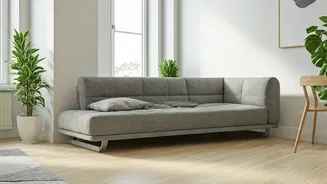
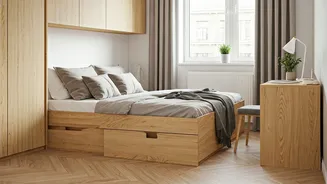
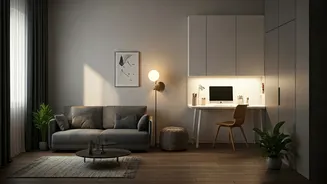
Forget the clunky, spring-loaded contraptions from old sitcoms. Today’s Murphy beds are sleek, sophisticated, and ingeniously integrated into modern cabinetry. Many contemporary designs incorporate a desk, shelving, or even a sofa that appears when the bed is folded
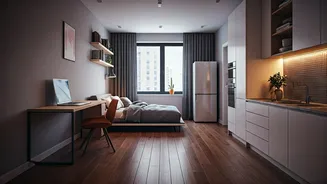
away. This allows a single room to seamlessly transition from a bedroom at night to a home office or living room during the day. By reclaiming the massive footprint of a traditional bed, you instantly gain a more versatile and open living area. It’s the ultimate double-duty solution for studio apartments or guest rooms that need to work harder.
Expandable and Drop-Leaf Tables
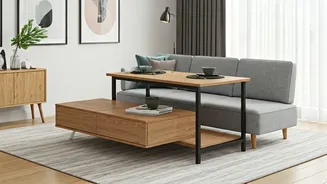
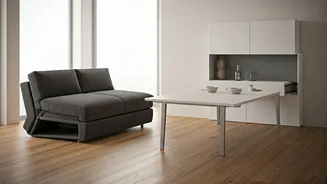
A dining table can feel like an impossible luxury in a small apartment, consuming precious floor space for a piece of furniture you might only use for formal meals. Enter the expandable table. These versatile pieces can live discreetly as a slim console against a wall or a small table for two. When guests arrive, they slide, fold, or flip open to accommodate a full dinner party. Similarly, a drop-leaf table offers on-demand surface area. Keep the leaves down for daily use and lift one or both when you need more room for a project, a puzzle, or a meal. It's about having the function you need, only when you need it.
Nesting Tables and Benches
Why have one coffee table when you can have three that occupy the footprint of one? Nesting tables are a classic design trick for a reason. They provide tiered surfaces for drinks, books, and decor when you’re hosting, then tuck neatly back into a single unit to free up walking space. The same principle applies to seating. A set of nesting benches or stools can be stored compactly under a console table or in a corner, ready to be pulled out for extra seating when company comes over, eliminating the need for bulky, seldom-used accent chairs.
The Mighty Storage Ottoman
Perhaps the most underrated hero of small-space living is the storage ottoman. This humble workhorse can serve as a footrest, an extra seat, and a coffee table (with the addition of a tray). But its real superpower lies within. The hollow interior is the perfect place to hide away blankets, board games, magazines, or remote controls, instantly vanquishing clutter. In an entryway, it’s a spot to sit and take off your shoes; in the living room, it’s a flexible centerpiece. Opt for one with a sturdy, flat lid to maximize its functionality as a surface.
Go Vertical with Wall-Mounted Solutions
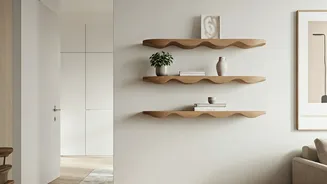
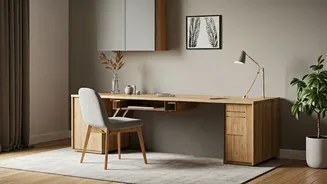
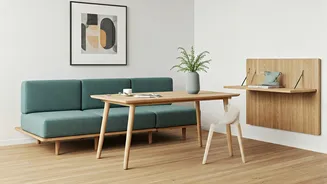
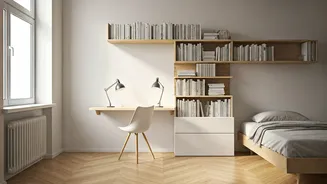
When you can’t build out, build up. Using your vertical space is the most effective way to add storage and function without sacrificing a single square foot of your floor plan. Wall-mounted shelves, floating desks, and modular shelving systems draw the eye upward, making a room feel taller and more open. A floating media console frees up the floor below your TV, creating an illusion of spaciousness. In a tight corner, a wall-mounted ladder desk can create a dedicated workspace that feels intentional yet unobtrusive. It’s a design strategy that declutters both your floor and your mind.
“Invisible” Furniture for Visual Lightness
Sometimes, making a space feel bigger isn’t about the physical footprint of furniture but its visual weight. Pieces made of clear acrylic, lucite, or glass take up zero visual space. A transparent coffee table, console, or set of nesting tables allows light to pass through and keeps sightlines open, tricking the eye into seeing a larger, less crowded room. While they provide the same function as their opaque counterparts, they don't stop the gaze, contributing to an airy and uncluttered aesthetic that is essential for comfortable small-space living.