
The Rise of the Bloom-Chaser
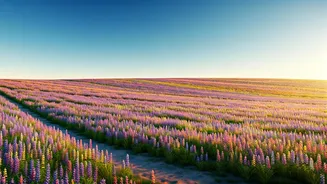
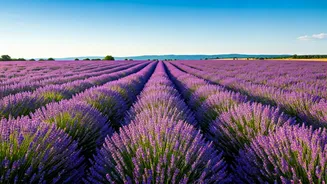
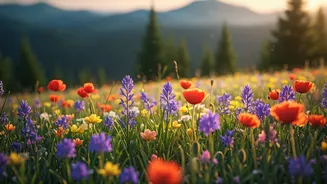
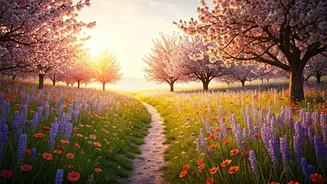
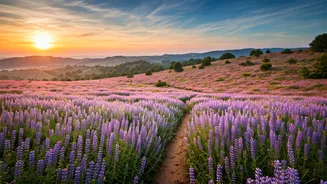
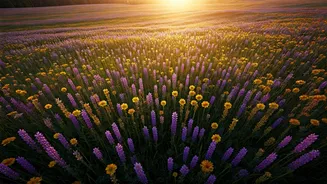
Once, seeing the cherry blossoms in Washington, D.C., was a lovely local rite of spring. Now, it’s a competitive sport. The same goes for the Texas bluebonnets, the Skagit Valley tulip fields in Washington, and California’s elusive desert “superbloom.”
These are the new bucket-list destinations, but with a catch: their main attraction is only available for a few weeks, and nobody knows exactly when “peak bloom” will hit. This has given rise to the “bloom-chaser,” a new breed of traveler who plans entire trips around the whims of botany. Airlines and hotels have noticed, with prices surging during these fleeting windows. A weekend trip to see some flowers can suddenly feel like planning a military operation, complete with logistical hurdles, surge pricing, and a high probability of disappointment if the weather doesn’t cooperate or you miss the peak by a few days.
The Instagram Industrial Complex
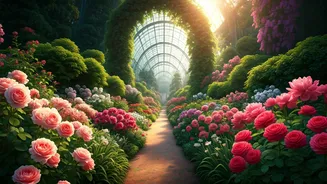
Let’s be honest about the engine driving this floral frenzy: social media. These events are tailor-made for the visual world of Instagram and TikTok. They are colorful, universally beautiful, and carry a built-in sense of scarcity that makes for a perfect post. The unwritten rule is that if you go to a bloom festival and don’t post a stunning, ethereal photo of yourself frolicking among the petals, you weren't really there. This transforms a simple appreciation of nature into a performance. The goal shifts from experiencing the moment to capturing it. Travel influencers have professionalized this, creating a feedback loop of impossibly perfect images that fuel our own desire to replicate them, feeding the FOMO that drives a thousand frantic Expedia searches.
The Reality Behind the Filter
The photos, of course, lie. They don’t show the gridlocked traffic on the single road leading to the poppy fields. They crop out the hundreds of other people all trying to get the exact same shot, jockeying for position on a muddy path. They don’t capture the feeling of paying $300 a night for a motel room that was $80 a month ago. Nor do they show the disappointment of arriving to find the blossoms are a little past their prime, or that a late frost browned the edges. The gap between the filtered, sun-drenched fantasy and the crowded, stressful reality can be jarring. Instead of a serene communion with nature, the experience often feels more like navigating the Black Friday rush at a suburban mall, but with more pollen.
Reclaiming Your Own Spring
So, what’s the antidote to bloom-induced burnout? It’s not about shunning these beautiful events entirely, but about recalibrating expectations. The problem isn’t the flowers; it’s the FOMO. The pressure to participate in a specific, nationally hyped bloom can eclipse the quieter, more accessible beauty right in our own backyards. Perhaps the solution is to log off and look around. Find a local arboretum, a neighborhood park with magnificent magnolias, or a forgotten patch of wildflowers on a local trail. The goal isn’t to “win” spring by capturing the most epic photo for your followers. It’s about finding a moment of genuine connection with the season, free from the pressure of performance. The best bloom is the one you can actually enjoy without booking a flight six months in advance and fighting a crowd for a selfie.