



It’s Actually, Literally Cooler
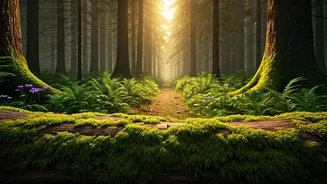
Let’s start with the obvious. When the headline says “coolest,” it’s not just a figure of speech. Forests are nature’s air conditioning. On a scorching August day, the temperature under a dense tree canopy can be 10-20 degrees Fahrenheit cooler than in a nearby
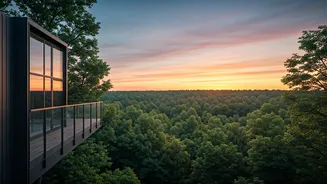
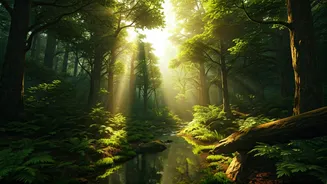
open area. This isn’t magic; it’s science. The shade from the leaves blocks direct sunlight, while a process called evapotranspiration releases water vapor, actively cooling the surrounding air. While a beach trip means baking on the sand and fighting for umbrella space, a forest getaway offers a built-in, natural respite from the record-breaking heat waves that are becoming the new summer normal. It’s a physical relief that you can feel the moment you step out of your car and under the trees.
An Antidote to Over-Tourism
Remember the quiet promise of a vacation? Lately, it feels like every “secret” spot is now an Instagram backdrop, complete with lines, reservations booked months in advance, and surge pricing. The beauty of a forest escape is the built-in social distancing. While popular national parks can have their own crowds at key trailheads, the sheer scale of our nation’s forests means true solitude is always just a short walk away. This is the appeal of the “quiet vacation” trend: choosing destinations where the main attraction is peace. Instead of fighting for a dinner reservation, you’re listening to the wind in the pines. Instead of navigating a crowded airport, you’re navigating a winding trail. It’s a deliberate choice to slow down and de-stress, reclaiming vacation from the chaos.
Your Brain on Trees
The feeling of calm that washes over you in a forest is also backed by science. The Japanese practice of *shinrin-yoku*, or “forest bathing,” is built on decades of research showing that time spent in nature has profound mental and physiological benefits. Studies show that even a short walk in the woods can reduce cortisol (the stress hormone), lower blood pressure, and boost immune function. In a world of constant notifications, emails, and doomscrolling, the forest offers a forced digital detox. Often, cell service is spotty at best, which might sound terrifying for the first hour but becomes a gift. It’s a chance to disconnect from the digital world to reconnect with yourself, your thoughts, and the people you’re with.
The New Definition of Luxury
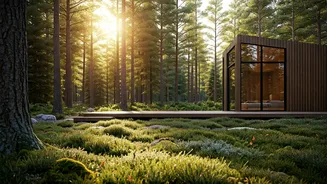
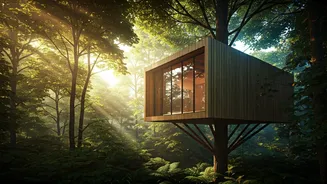
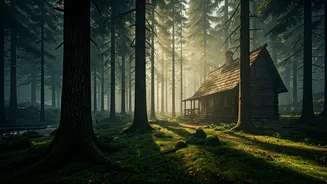
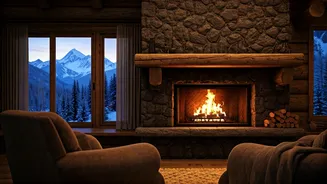
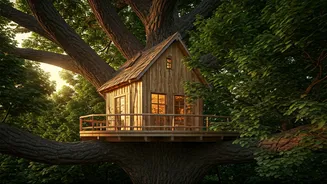
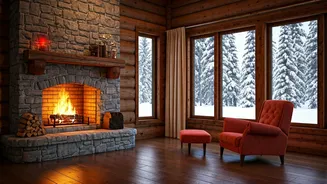
For a long time, a luxury vacation meant infinity pools, five-star service, and thread counts. Today, for many, luxury is defined by something else: authenticity, privacy, and simplicity. The rise of stylish, architecturally interesting cabin rentals on platforms like Airbnb and Vrbo speaks to this shift. Travelers are seeking the luxury of waking up to a misty forest view, of brewing coffee with no one else in sight, and of ending the day by a real wood fire. These aren't the rustic, drafty cabins of yesterday. Modern forest getaways offer curated comfort—think well-equipped kitchens, cozy textiles, and floor-to-ceiling windows that bring the outdoors in. It’s a quiet, understated luxury that feels more personal and restorative than any sprawling resort.
Adventure on Your Own Terms
A beach vacation has a fairly set script: swim, sunbathe, repeat. A forest getaway is a choose-your-own-adventure story. For the ambitious, it’s a basecamp for challenging hikes, mountain biking, or kayaking on a hidden alpine lake. For those craving rest, the primary activity might be reading a book in a hammock, napping in the afternoon quiet, or identifying birds from the porch. There’s no pressure to “do” anything. This flexibility makes it an ideal destination for groups or families with varying energy levels. It removes the performative pressure of a vacation and replaces it with a simple invitation to just be.