


The Overcrowded Digital Shelf
For years, the playbook for launching a new food or beverage brand seemed simple: create a beautiful Instagram feed, pay influencers to rave about your product, and pour money into targeted social media ads. The goal was to go viral, scaling from a niche
online community to a nationwide phenomenon. But the digital shelf has become incredibly crowded and expensive. Today, a new brand is competing not just with established giants but with thousands of other startups doing the exact same thing. Customer acquisition costs have skyrocketed, and the return on ad spend is often brutally low. More importantly, a slick ad can’t convey the one thing that truly matters for a food product: what it tastes like. Consumers have become skeptical of glossy, sponsored content, wondering if that small-batch coffee or vegan cheese is genuinely good or just well-marketed.
From Clicks to Connection
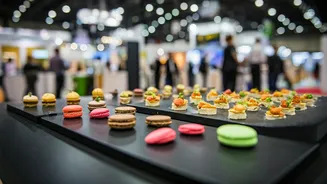
In response, savvy brands are rediscovering a powerful, old-school tool: the in-person tasting. This isn’t just about handing out free samples in a sterile grocery store aisle. It’s about creating an experience. Think of a founder at a local farmers' market, passionately explaining the origin of their family’s chili crisp recipe as they offer you a taste. Or a pop-up event where a new craft seltzer brand pairs its flavors with small bites, gathers feedback, and builds an email list of genuine fans. These events transform a product from a digital commodity into a tangible experience. It’s the business equivalent of a band playing a small, intimate club instead of just being another name on a massive Spotify playlist. The direct interaction creates a memorable, emotional connection that a click or a 'like' can never replicate.
The Art of the First Bite
What makes these events so effective is their authenticity. When a potential customer meets the person behind the brand, hears their story, and asks questions, a layer of trust is built instantly. This is where a brand “finds its crowd.” They’re not trying to appeal to everyone; they’re trying to connect with the right people who will become their core supporters. A successful tasting event is a form of live-action storytelling. The setting matters, whether it’s a bustling food festival, a cozy collaboration with a local coffee shop, or a brand’s own pop-up space. The goal isn’t just to distribute product, but to curate a moment. It allows the quality of the product to speak for itself, away from the distorted reality of social media filters and paid endorsements. For the consumer, it’s a low-risk way to discover something new and feel like they’re in on a secret.
More Than Just a Sale
The return on investment for tasting events goes far beyond on-the-spot sales. They are invaluable laboratories for real-time market research. A founder can see a customer’s unfiltered facial expression upon tasting their product. They can hear firsthand if the spice level is right, if the packaging is confusing, or what other flavors they’d like to see. This kind of qualitative feedback is gold, allowing brands to iterate and refine their offerings quickly, without spending a fortune on formal focus groups. Furthermore, these events create evangelists. A person who has a great experience and a personal connection with a founder is far more likely to tell their friends, post about it organically on their own social media, and become a loyal, repeat customer. They become the brand’s most authentic and effective marketing channel—something no ad budget can buy.