




Why Legumes Got a Bad Rap
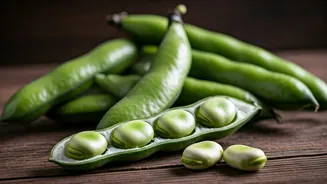
Let's get it out of the way: beans have a reputation for causing gas and bloating. This isn't entirely unfair. Raw or undercooked legumes contain compounds like lectins and phytic acid that can irritate the digestive system. They are also packed with
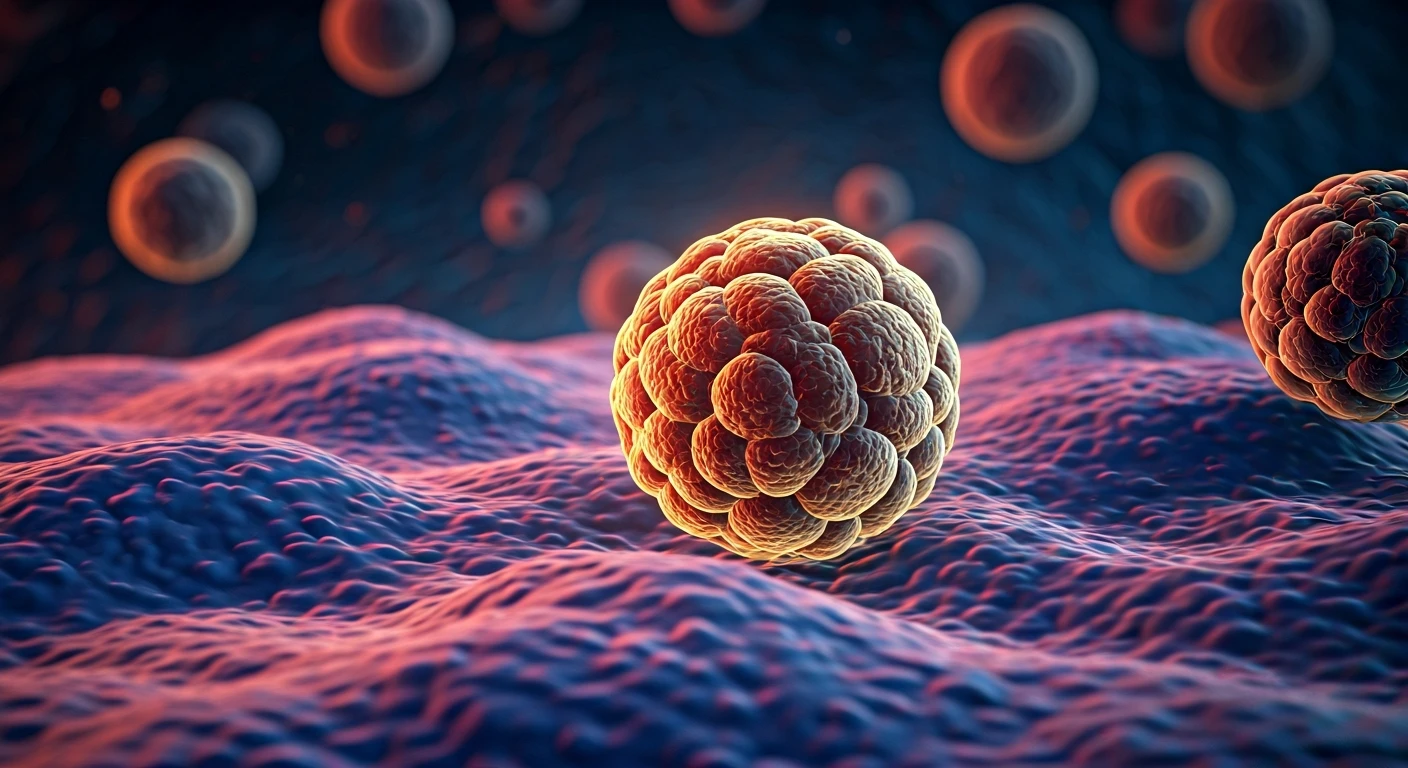
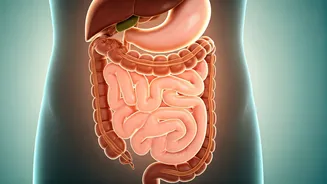
complex fibers called oligosaccharides that our bodies can't break down on their own. When these fibers reach the colon, the gut bacteria there have a feast, producing gas as a byproduct. But here's the twist: that very process is what makes them so good for you. Feeding your beneficial gut bacteria is the definition of a prebiotic, and a well-fed microbiome is the cornerstone of good health, from digestion to immunity. The key isn't to avoid legumes, but to choose and prepare them smartly.
The Gentle Giant: Lentils
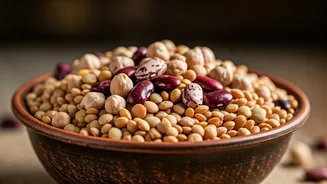
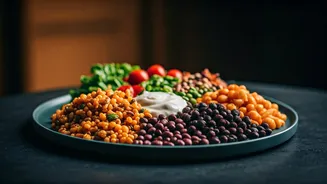
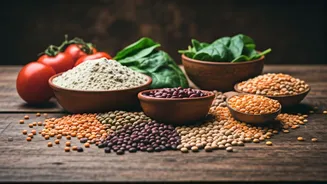
If you're new to boosting your legume intake or have a sensitive stomach, lentils are the perfect place to start. They are smaller and have a lower concentration of those gas-producing fibers compared to larger beans. Red lentils, in particular, are often sold split and with their skins removed, making them exceptionally easy to digest. Lentils are a fantastic source of soluble fiber, which forms a gel-like substance in the gut that helps promote regularity and feeds beneficial bacteria without the aggressive fermentation of other fibers. From hearty daal to simple soups and salads, their quick cooking time and mild flavor make them a weeknight dinner hero.
The Versatile Powerhouse: Chickpeas
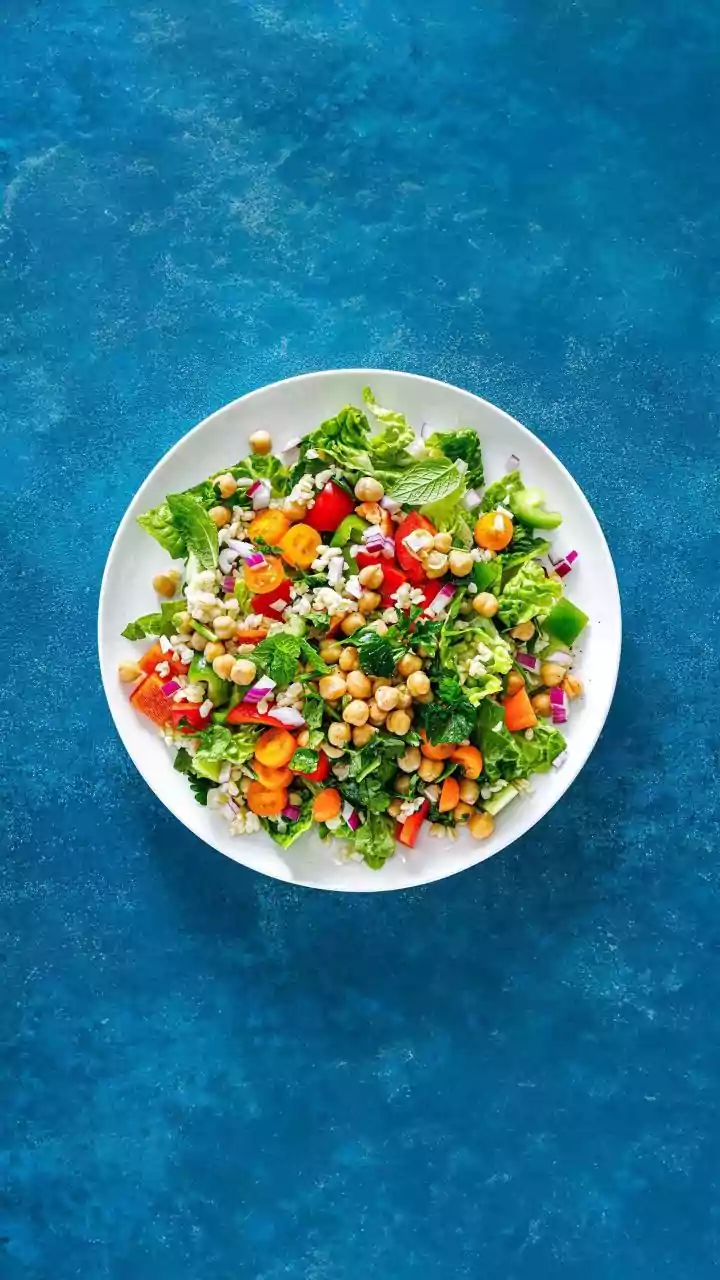
Chickpeas, or garbanzo beans, are the celebrity of the legume world for a reason. They are the foundation of hummus, the star of countless salads, and a delightfully crispy snack when roasted. From a gut-health perspective, their power lies in their mix of soluble and insoluble fiber. A significant portion of their carbohydrate content is resistant starch, which 'resists' digestion in the small intestine and travels to the colon to act as a super-prebiotic for your gut microbes. This helps increase the production of butyrate, a short-chain fatty acid that is the primary fuel source for the cells lining your colon, reducing inflammation and strengthening the gut barrier.
The Antioxidant Star: Black Beans
Black beans are more than just a burrito filling; they are nutritional dynamos. Like chickpeas, they are rich in resistant starch, making them a top-tier food for nurturing a healthy microbiome. What sets them apart is their deep, dark color, which comes from anthocyanins—the same powerful antioxidants found in blueberries and blackberries. These compounds have been shown to have anti-inflammatory effects throughout the body, including the gut. The combination of fiber that feeds good bacteria and antioxidants that calm inflammation makes black beans a true gut-friendly superfood. Rinsing canned black beans well can also help wash away excess sodium and some of the starches that cause gas.
How to Maximize Benefits (and Minimize Discomfort)
Preparation is everything when it comes to making legumes your friend. If you're using dried beans, a long soak (8-12 hours) in water is non-negotiable. This process helps break down the complex sugars and anti-nutrients that cause digestive trouble. Discard the soaking water and cook them in fresh water until they are very tender. For an extra digestive boost, try sprouting them before cooking. Canned beans are a great shortcut, as the high-heat canning process breaks down many of the problematic compounds. Just be sure to rinse them thoroughly. Most importantly, start slow. Introduce a small portion, like a quarter-cup, into your diet and gradually increase your intake as your digestive system adapts and builds up the right bacteria to handle the fiber.