



From the Billboard to Your Brain
For decades, food advertising was a broadcast medium. A single, catchy jingle or a mouth-watering TV spot for a burger was meant to appeal to millions at once. The goal was mass awareness, hoping to cast a wide enough net to catch a few hungry customers.
But that era is fading fast. Today, the strategy has flipped from a megaphone to a whisper, with brands aiming to create a one-on-one conversation with you about your specific desires. This shift is powered by a torrent of data that consumers generate every day. Every time you use a loyalty app to get a free coffee, order a pizza online, or even 'like' a food blogger’s post on Instagram, you’re leaving a trail of digital breadcrumbs. And food companies are following that trail with incredible precision, transforming the art of selling snacks from a guessing game into a science.
The Digital Breadcrumb Trail
So, how exactly do they know you’ve been thinking about tacos? It starts with the data you willingly hand over. Loyalty programs are the gold standard. Starbucks, for example, doesn't just know you prefer a non-fat oat milk latte; its app tracks when you buy it, what time of day, which locations you frequent, and what food items you’re tempted to add to your order. This allows them to push a notification for a half-price pastry right around your 3 p.m. slump, when they know you’re most likely to cave. Delivery apps like DoorDash and Uber Eats are also massive data hubs. They analyze your order history, search queries, and even how long you hover over a particular menu item. This allows them to customize your home screen, prioritizing the cuisines and restaurants they predict you're in the mood for. It’s less about showing you everything that’s available and more about showing you what you’re likely to want *right now*.
AI as Your Personal Food Curator
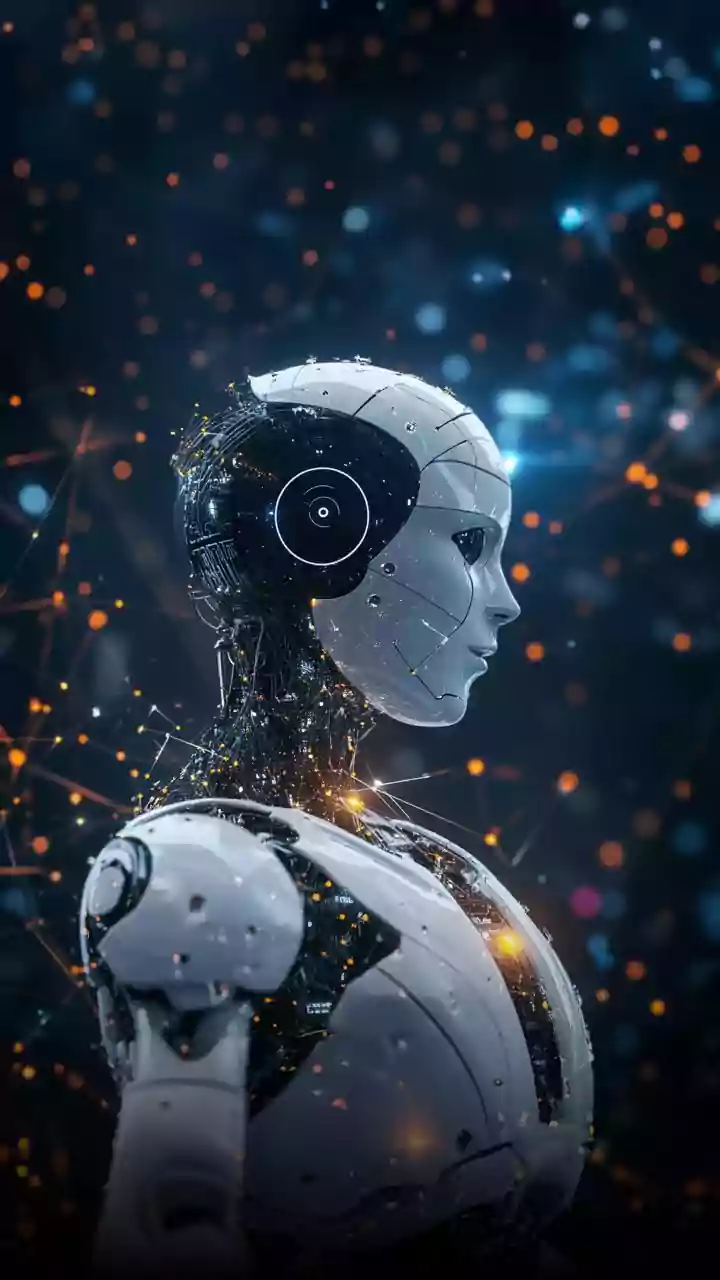
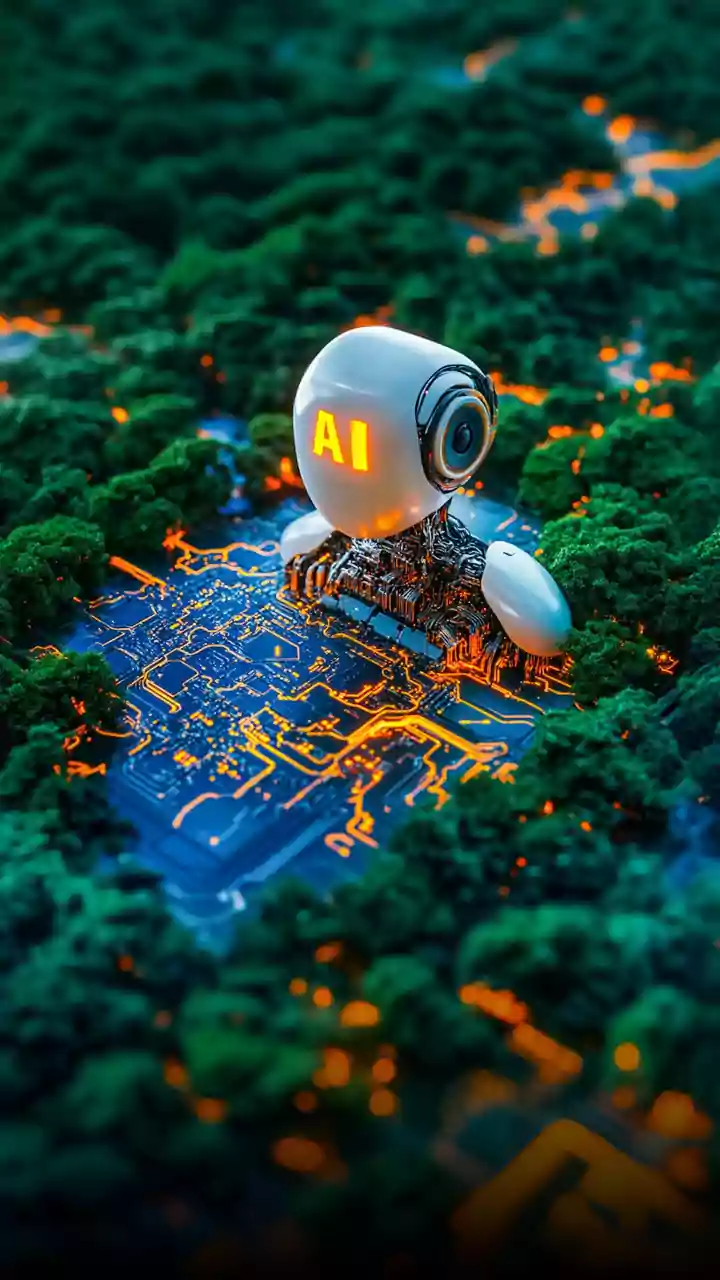
Collecting data is one thing; making sense of it is another. This is where artificial intelligence (AI) and machine learning come in. These sophisticated algorithms are the engines that turn your past behavior into eerily accurate predictions. They can identify patterns a human analyst would never spot. For instance, an AI might learn that you tend to order comfort food like mac and cheese on rainy Tuesdays, or that you're more likely to add a dessert to your cart after 8 p.m. on a Friday. Fast-food giants are investing heavily in this technology. McDonald’s, for instance, acquired a company called Dynamic Yield to personalize its drive-thru menu boards. The AI can automatically change the displayed items based on factors like the weather (promoting McFlurries on a hot day), time of day, and even how busy the restaurant is, all to streamline ordering and upsell more effectively. It’s a dynamic system designed to tap into your subconscious cravings in real time.
The Line Between Helpful and Uncanny
For consumers, this hyper-personalization is a double-edged sword. On one hand, it can be incredibly convenient. Getting a coupon for a product you actually want feels much better than getting junk mail for something you’d never buy. A delivery app that knows your go-to comfort meal saves you the time and effort of scrolling through endless options. In a crowded market, this level of personal attention can feel like a valuable service. On the other hand, it can feel invasive. The realization that a corporation has a detailed psychological and behavioral profile on you can be unsettling. It raises important questions about privacy and manipulation. Are these brands simply helping you satisfy a craving, or are they creating one you wouldn't have otherwise had? When a perfectly timed ad nudges you to buy a donut you didn't need, the line between helpful suggestion and masterful persuasion becomes blurry.