






A Healthier Samosa?
For many Americans, Indian food is synonymous with rich curries and flavorful breads. But for hundreds of millions of Indians, daily life is punctuated by a glorious, deep-fried crunch. From street-side stalls to family celebrations, snacks like samosas
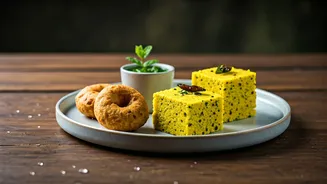
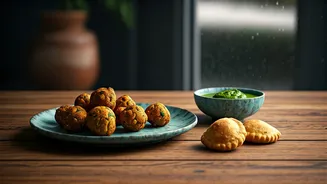
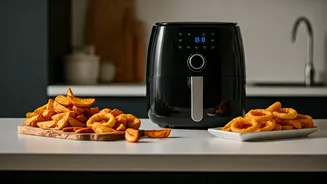
(savory pastries), pakoras (vegetable fritters), and vadas (lentil donuts) are central to the culture. They are delicious, comforting, and traditionally, very oily. Enter the air fryer. The primary pitch that’s resonating across India’s rapidly growing middle class is health. The promise of a crispy samosa or crunchy bhindi (okra) with up to 80% less oil is a powerful lure in a country grappling with rising rates of lifestyle diseases like diabetes and heart conditions. It offers a tantalizing proposition: the ability to enjoy cherished, nostalgic snacks without the associated guilt. For a generation of health-conscious urbanites, the air fryer isn't just a cooking device; it's a permission slip to indulge.
The Aspirational Appliance
In the U.S., the air fryer became a ubiquitous, almost mundane, kitchen workhorse. In India, it's something more: a status symbol. With prices that can be equivalent to a significant portion of a monthly salary for many, owning an air fryer is a clear signal of modernity and disposable income. It sits on the kitchen counter alongside other aspirational appliances like stand mixers and coffee machines, markers of a globally-connected, upwardly mobile lifestyle. Companies like Philips and homegrown brands like Usha and Havells have seen sales skyrocket, marketing the device not just as a tool for healthier frying but as an essential part of a modern, efficient kitchen. In online communities and WhatsApp groups, sharing a successful air-fried recipe has become a form of social currency, demonstrating one’s mastery of both technology and tradition.
More Than Just Snacks
While the gateway drug for many Indian air fryer converts is the promise of a healthier snack, users are quickly discovering its versatility. It’s being used to roast paneer tikka, grill kebabs without a bulky tandoor, and even bake small cakes, a huge plus in homes that often lack a conventional oven. The appliance is proving to be a perfect fit for the fast-paced life of urban, dual-income households where convenience is king. Unlike the leisurely, multi-hour cooking sessions of generations past, the air fryer offers speed and efficiency. It preheats quickly and contains smells, a major advantage in smaller city apartments. It allows a busy professional to come home and quickly roast some vegetables or heat a frozen paratha, making a hot meal more accessible on a hectic weeknight. It’s less about replacing traditional cooking entirely and more about supplementing it for the demands of a new era.
But Is It a Real Pakora?
Of course, not everyone is convinced. For every air fryer evangelist, there's a traditionalist who scoffs at the very idea. The most common criticism is that an air fryer simply cannot replicate the unique texture and flavor—the “soak” and the soul—that comes from deep-frying in hot oil. Purists argue that an air-fried samosa might be crisp, but it lacks the rich, flaky mouthfeel of the original. A pakora from an air fryer, they contend, is just a piece of roasted, seasoned vegetable. This debate plays out in families across the country, often pitting a younger, tech-savvy generation against their parents and grandparents, for whom the act of frying is as much a part of the recipe as the ingredients themselves. It's a gentle culinary culture war, fought over the texture of a fritter. This pushback is a vital part of the story, highlighting that while technology can offer new solutions, it can't always replace the deep-seated power of taste memory.