
The New Neutrals Defined
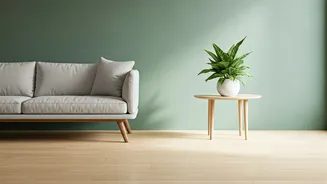
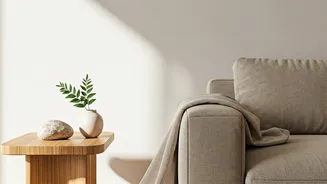
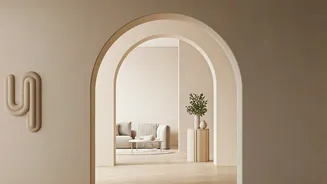
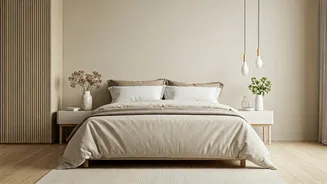
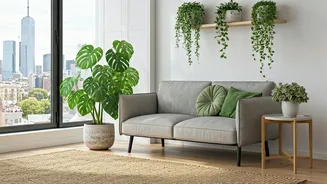
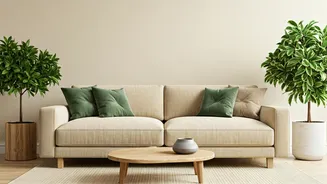
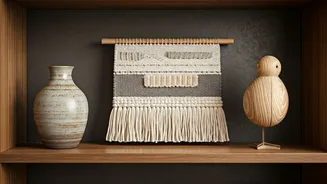
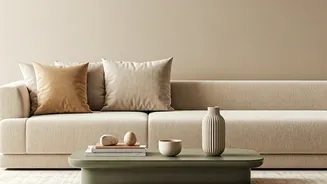
First, let's be clear: this isn't your parents' boring, flat 'builder's beige' from the 1990s. Today's dominant neutral palette is complex, layered, and deeply connected to natural materials. Think of the warm, sun-bleached tones of a desert landscape—sand,
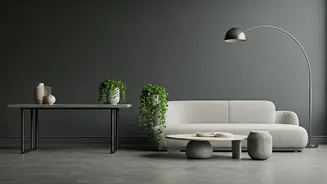
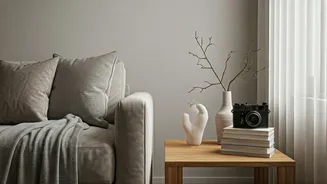
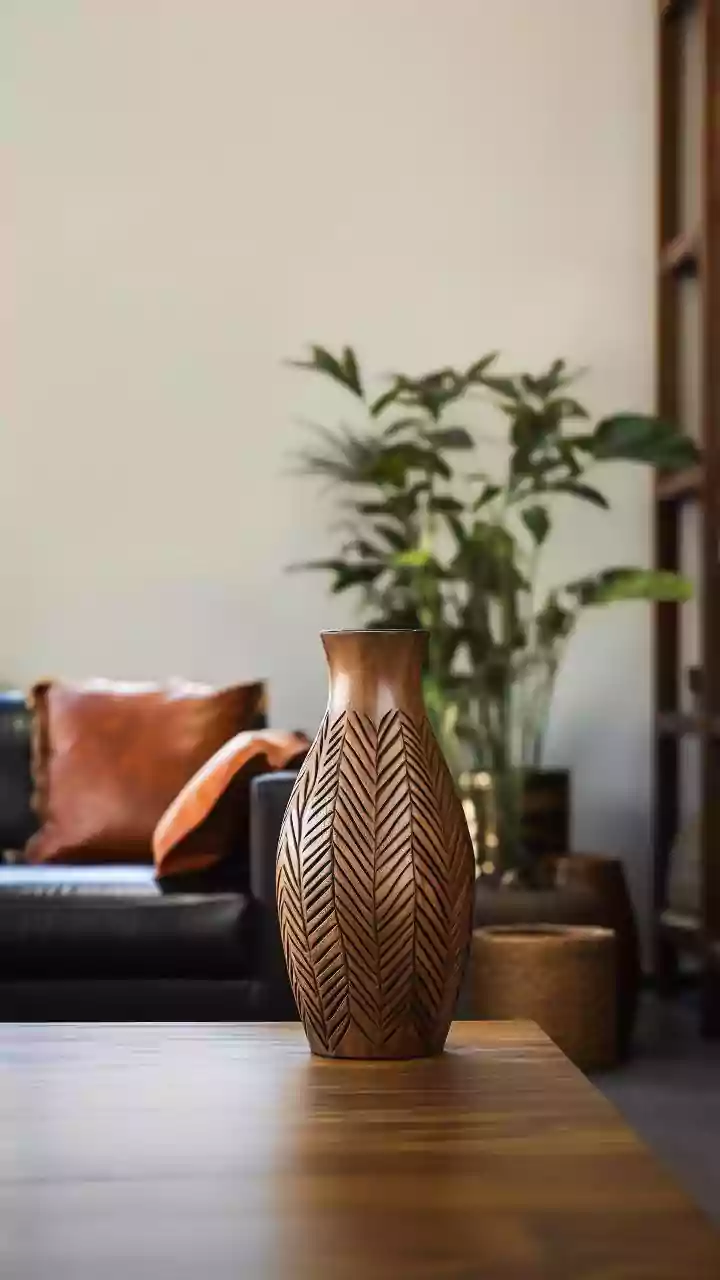
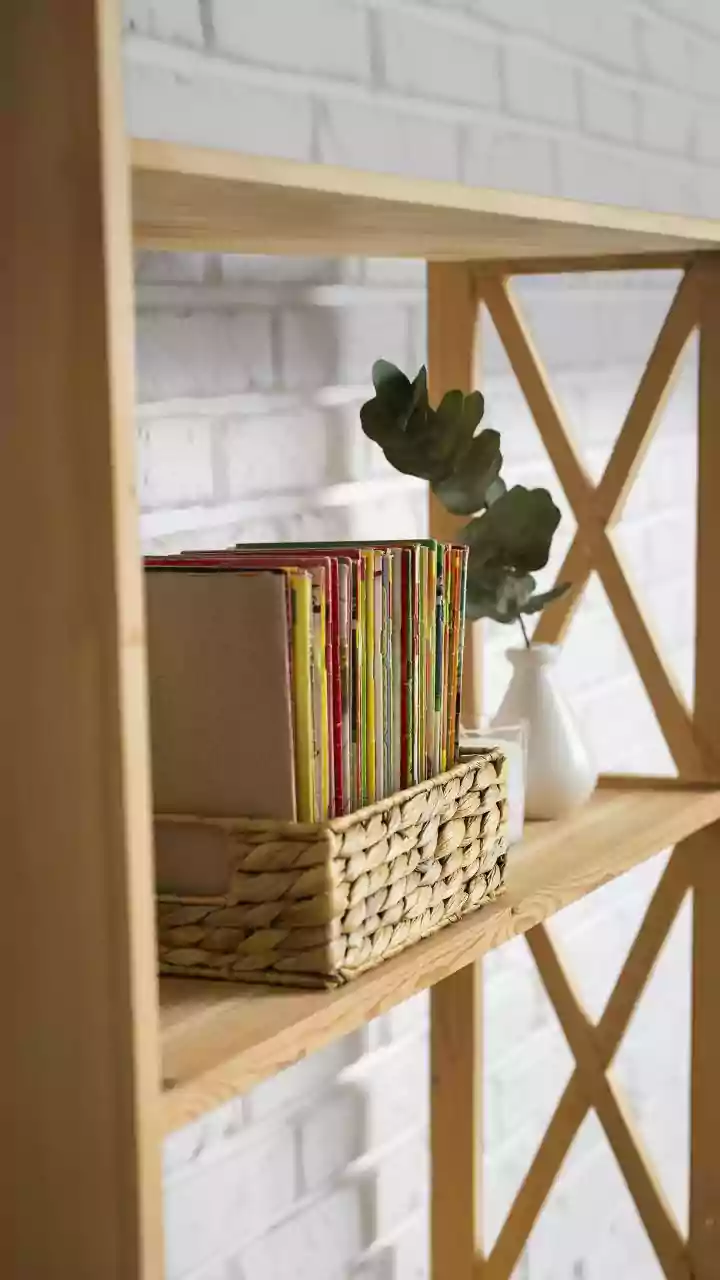
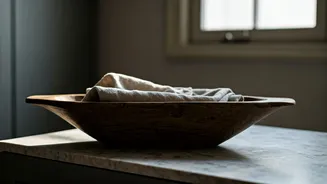
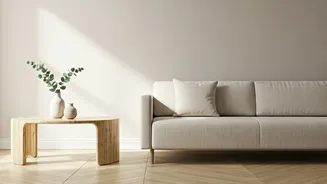
stone, and terracotta. Add to that the rich, restorative shades of the forest floor—moss, sage, olive, and eucalyptus. The key to this aesthetic isn't a single color, but the interplay between them. It’s about creating depth through texture. You'll see these colors deployed across a range of materials: nubby bouclé fabrics, unfinished wood, woven rattan, cool travertine stone, and soft linen curtains. The effect is less about a lack of color and more about a sophisticated, cohesive environment that feels both curated and effortlessly calm.
A Sanctuary from Digital Overload
So, why has this specific palette taken hold with such force, especially in urban centers? The answer lies in our collective exhaustion. We live in an era of information overload, constant notifications, and glaring screens. Our homes, more than ever, are being called upon to serve as sanctuaries—places to mentally and emotionally decompress. Bright, loud colors can be energizing, but they also demand attention. Earthy neutrals do the opposite. They recede. They create a quiet visual backdrop that allows the mind to rest. Interior designers and psychologists often point to the calming effects of these nature-based hues. They lower the visual 'temperature' of a room, fostering a sense of peace and stability in a world that often feels anything but. After years of pandemic-era lockdowns that forced us to re-evaluate our living spaces, the desire for a home that nurtures rather than stimulates has become a primary design driver.
The Pull of Biophilic Design
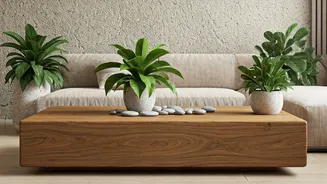
This trend is also a mainstream expression of a concept called 'biophilic design'—the idea that humans have an innate need to connect with nature for their well-being. For city dwellers, access to green space can be limited. The earthy palette is a clever, accessible way to bring the feeling of the outdoors inside. The sand tones mimic a coastal dune, the greens evoke a forest canopy, and the emphasis on natural wood and stone completes the illusion. It’s a form of escapism you can build right in your living room. This isn't just about aesthetics; it's about creating a multisensory experience. The roughness of a jute rug underfoot, the smooth coolness of a marble coffee table, the visual warmth of an oak console—it all works together to ground us, reminding us of a world beyond our concrete-and-glass surroundings. This connection to the natural world is proving to be a powerful antidote to the stresses of urban life.
Is It All Just for the 'Gram?
Of course, we can't discuss a dominant trend without acknowledging the influence of social media. Platforms like Instagram and Pinterest have created a powerful feedback loop. A certain look gets popular, it gets photographed beautifully, it goes viral, and then retailers rush to produce furniture and decor that fits the aesthetic. This creates an accessible, off-the-shelf version of a high-end look, which in turn makes it even more ubiquitous. While this democratization of design has its benefits, it also raises questions about homogenization. The 'sad beige' critique once leveled at minimalist children's toys now applies to adult living spaces. When every influencer's apartment, every new coffee shop, and every direct-to-consumer furniture catalog adopts the same serene, earthy vibe, does it lose its soul? The risk is that a meaningful desire for calm becomes just another algorithm-approved, universally marketable aesthetic.