


Why We're Craving Coziness
The pendulum is swinging away from the hyper-curated, untouchable spaces that dominated our social media feeds in the 2010s. The 'less is more' mantra of minimalism, while valuable for decluttering, often resulted in homes that felt more like galleries
than living spaces. Experts point to a collective yearning for comfort, stability, and a deeper connection to the natural world. After spending more time at home than ever before, we’re prioritizing spaces that nurture us. This isn't about rejecting minimalism outright, but rather warming it up. It’s a move toward ‘soft minimalism’ or ‘organic modernism,’ where the goal isn’t emptiness, but serene, sensory-rich simplicity.
The Rise of Tactile Fabrics
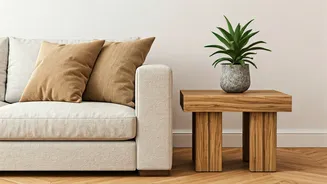
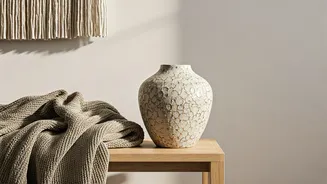
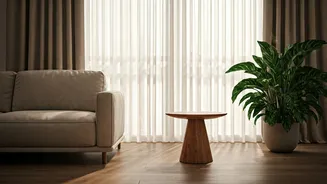
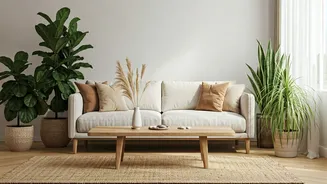
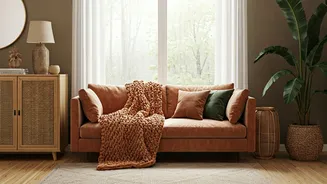
One of the easiest ways to see this shift is in our fabrics. The sleek, cold leather couch is giving way to sofas upholstered in nubby, textured materials. Bouclé, a looped yarn fabric once famous for its use in Chanel jackets, is now the undisputed king of cozy upholstery, covering everything from armchairs to ottomans. Beyond bouclé, we’re seeing a surge in raw, organic textiles. Think heavyweight Belgian linen curtains that puddle gracefully on the floor, chunky wool throws draped over a bed, and jute or sisal rugs that bring a rustic, earthy feel underfoot. These materials invite touch, adding a layer of physical comfort that smooth, synthetic fabrics simply can’t replicate.
Stone That Tells a Story
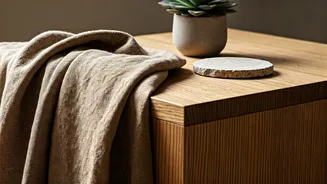
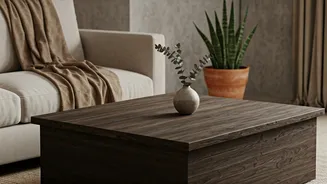
For a long time, the go-to luxury stone was highly polished, starkly veined marble, like Calacatta or Carrara. While beautiful, its flawless finish fits the 'cold minimalist' aesthetic perfectly. Today, designers and homeowners are gravitating toward stones with more warmth, texture, and personality. Travertine is making a massive comeback from its 1980s peak, celebrated for its porous, matte finish and creamy, earthy tones. Similarly, limestone, honed marble, and even concrete are being used for coffee tables, side tables, and countertops. These materials show their history; they have fossils, pits, and subtle variations that make each piece unique. They feel less manufactured and more like a piece of the earth brought indoors.
Celebrating Imperfect Wood
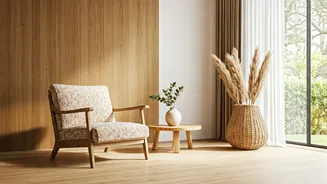
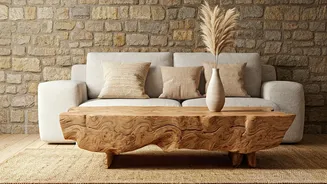
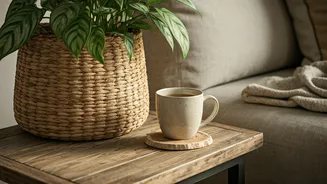
Wood has always been a staple of interior design, but the *type* of wood we’re celebrating has changed. The era of dark, lacquered mahogany or slick, painted-white furniture is being replaced by a love for woods that look and feel more like their original state. Light oaks, ash, maple, and especially rattan and cane are dominating. These lighter woods brighten a space without feeling cold. The key is the finish—or lack thereof. Matte, oiled, or cerused finishes that highlight the natural grain are preferred over glossy, sealed surfaces. This trend also embraces imperfection, with reclaimed wood and pieces featuring visible knots and burls becoming coveted for the character they add.
The Beauty of Wabi-Sabi Finishes
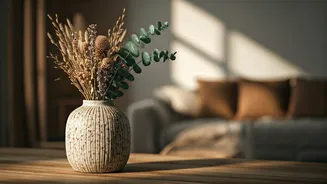
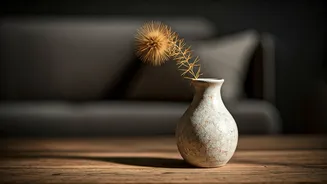
Underlying this entire movement is the Japanese philosophy of wabi-sabi: finding beauty in imperfection and transience. This is manifesting on our walls and in our accessories. Instead of perfectly smooth, eggshell-finish painted walls, we’re seeing a rise in textured finishes like limewash and Roman clay. These applications create a soft, mottled effect with a chalky texture that adds incredible depth and movement to a room. This appreciation for the handmade and imperfect extends to decor. Lopsided, hand-thrown ceramic vases, unadorned stoneware, and sculptural objects made from natural materials are replacing mass-produced, symmetrical accessories. It’s about owning things that have a story and feel like they were made by a human hand, not a machine.