
Defining the ‘Gentle Flex’
So, what exactly is a 'gentle travel flex'? It’s the antithesis of the frenetic, box-checking tourism that dominated the last decade. It’s not about how much you spent or how far you flew. It's the subtle brag of choosing stillness over spectacle. Think
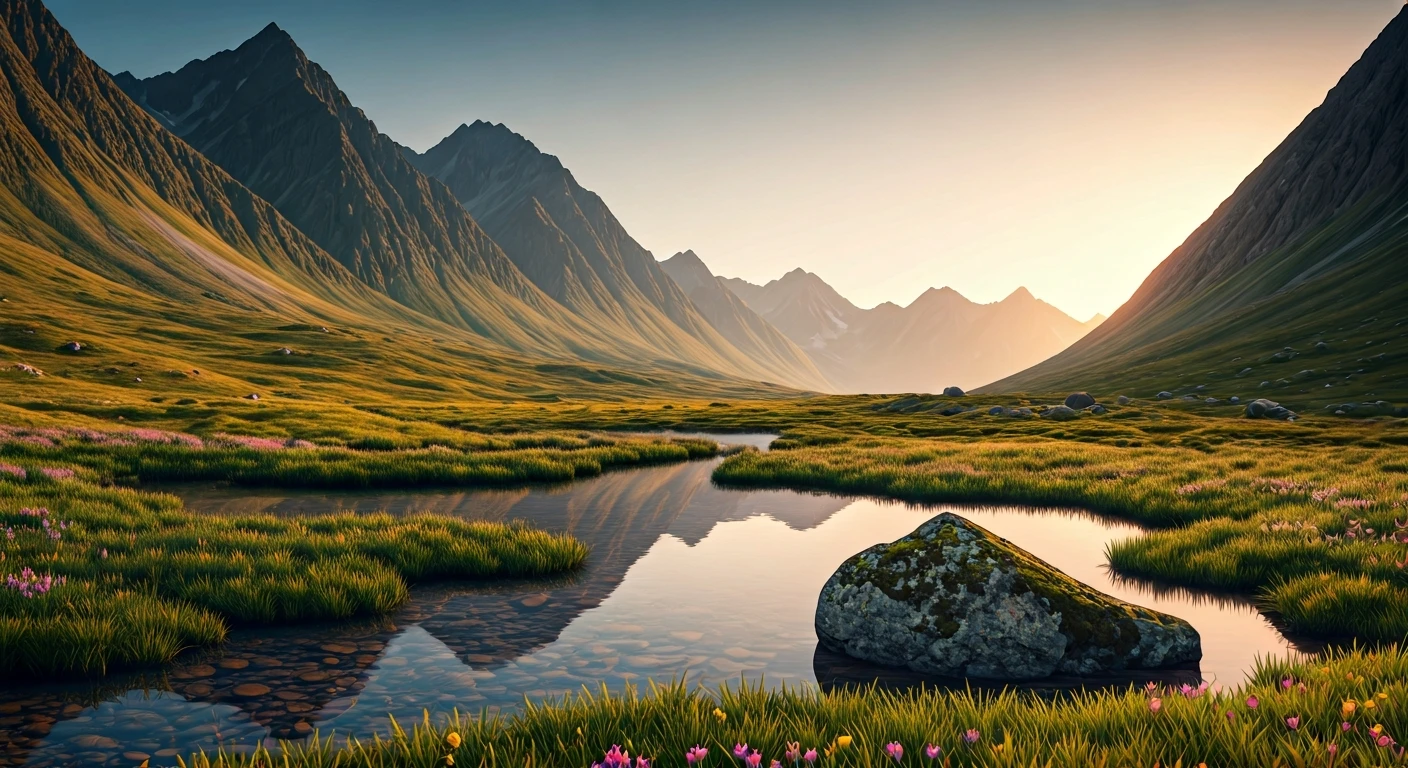
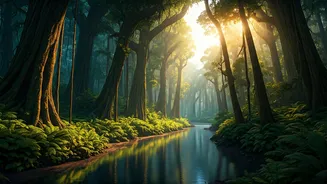
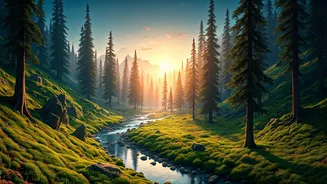
less 'fighting the crowds at the Eiffel Tower' and more 'having a quiet corner of a national forest all to yourself.' The currency here isn't money; it’s mindfulness. The photo you post isn't of a flashy hotel lobby but a misty morning view from a simple cabin, a winding dirt road, or a clear, cold stream. It communicates a set of values: a respect for nature, a desire for disconnection from the digital hamster wheel, and the confidence to find richness in simplicity.
The Post-Burnout Appeal
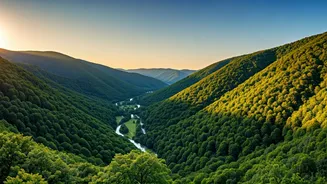
This shift didn’t happen in a vacuum. It’s a direct response to a culture of burnout. After years of digital saturation and the collective trauma of a global pandemic, the frantic pace of 'revenge travel' quickly lost its luster for many. People are tired. They’re seeking restoration, not just recreation. The roaring crowds and packed itineraries that once signaled a life well-lived now often feel like just another source of anxiety. Green landscapes—from the vast deserts of Utah to the dense forests of the Pacific Northwest—offer a powerful antidote. They provide a sense of scale that puts our everyday worries into perspective. Scientific research backs this up, showing that time in nature, or 'forest bathing' (shinrin-yoku), can lower cortisol levels, reduce blood pressure, and improve mood. This isn't just a vacation; it's a form of self-care that feels earned and necessary.
From Over-Tourism to Under-Exploration
The gentle flex is also a quiet rebellion against the destructive forces of over-tourism. We've all seen the stories: ancient cities overwhelmed by crowds, pristine beaches littered with trash, and local communities priced out of their own neighborhoods. Conscious travelers are increasingly uncomfortable participating in this cycle. Instead, they are turning their attention to under-explored destinations. This might mean skipping the famous national park for a state park that’s just as beautiful but far less crowded. It could involve exploring the scenic byways of the Midwest, discovering the charm of the Great Lakes, or booking a stay at a farm or ranch. This approach spreads tourist dollars to new areas and reduces the strain on well-worn hotspots. It’s a flex that’s not only good for the soul but also better for the planet and the places we visit.
How It Shows Up Online
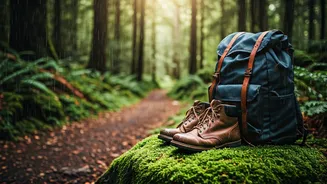
Ironically, you can see this anti-flex flex playing out on social media. The aesthetic has shifted. The hyper-saturated, perfectly posed shots are being replaced by more candid, atmospheric images: a pair of muddy hiking boots, steam rising from a cup of coffee on a porch railing, a blurry shot of a deer in the woods. The captions are less about 'conquering' a place and more about 'connecting' with it. They speak of silence, awe, and personal reflection. It’s a performative non-performance. While there’s still an element of curation, the story being told is different. It’s a narrative that values experience over evidence, feeling over filters. It’s the ultimate humblebrag: 'Look at this profound, authentic moment I’m having, far away from all the noise you’re dealing with.'